Singer-songwriter Tallulah Rendall has spent much of her creative life exploring what happens when music becomes more than performance. Her work increasingly brings together songwriting, sound, Qi Gong and practices centred on emotional awareness and human connection. Her latest album, Only Human, takes that exploration further, moving through vulnerability, anxiety, difficult relationships, belonging and the courage required to change.
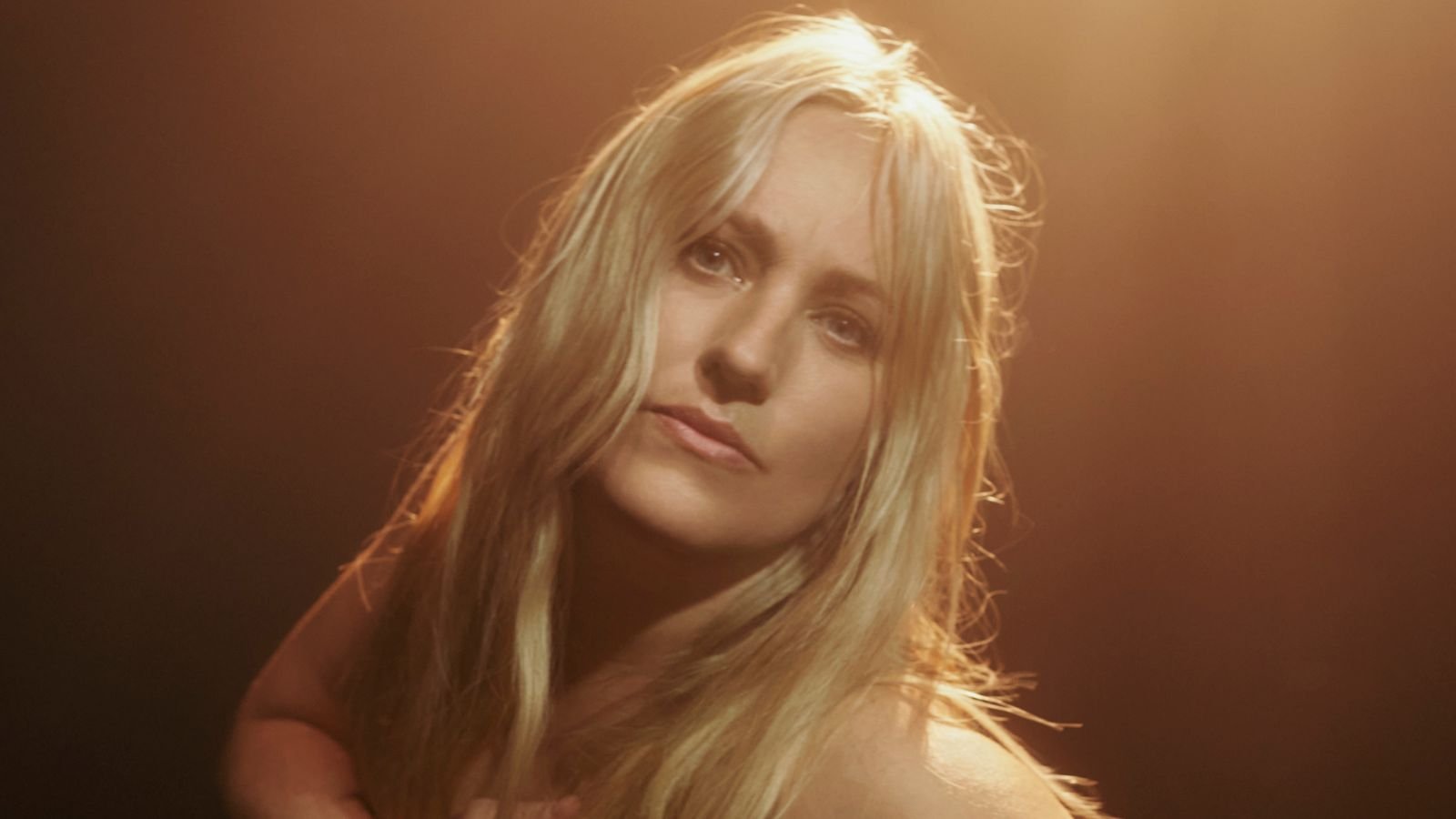
For Interessia Magazine, we spoke with Tallulah about writing honestly without surrendering privacy, the relationship between vulnerability and strength, why success remains difficult to define, and what she hopes stays with people long after the music has stopped.
1. What themes or ideas are most important to you in your work at the moment?
Kindness, courage and connection. I’m interested in what helps us live more honestly: recognising what we feel and need, finding the courage to express it, and taking responsibility for how we care for ourselves and each other.
I keep coming back to the relationship between vulnerability and strength. Writing a song, asking for support or acknowledging that something needs to change can leave us feeling exposed. But those moments can also bring us closer to ourselves and to other people. That runs through both my music and my work as a facilitator.
2. What inspired Only Human, and what did you want to explore through the album?
Only Human grew out of a period of reflection after experiencing the response to I Am Enough being played on Desert Island Discs, and my decision to share more vulnerably through my songwriting.
The songs explore different parts of that journey. Shame is about reclaiming your voice and sovereignty after a relationship in which I felt I wasn’t being treated with the kindness I, or anyone, deserved. Run narrates what it used to feel like to experience panic attacks, and how I am now able to move through fear and anxiety towards trust.
Another Season came from recognising that someone couldn’t give me the love I longed for, and asking why I had chosen that relationship and what I was abandoning in myself. I Belong is about recognising that a sense of home and belonging can be found within. Bold & Free is a statement about living wholeheartedly.
I wanted to make room for those difficult experiences alongside tenderness, resilience and joy. The title holds a sense of compassion for how complicated being human can be.
3. Your work is often very personal. How do you decide what to reveal and what to keep private?
I write what flows through me and then decide which stories I want to share and why. I wrote about 60 or 70 songs before committing to the ones you hear on this album. Being honest matters to me, but I also want to understand an experience well enough to share it with care, particularly when other people are part of the story.
With Another Season, for example, the deeper question became about my own patterns: why was I longing for love from someone who couldn’t give it, and what did I need to change in myself? That feels more useful to explore than simply telling the story of what happened.
A song can be emotionally truthful without explaining every detail. I want to leave space for listeners to recognise their own experiences in it too.
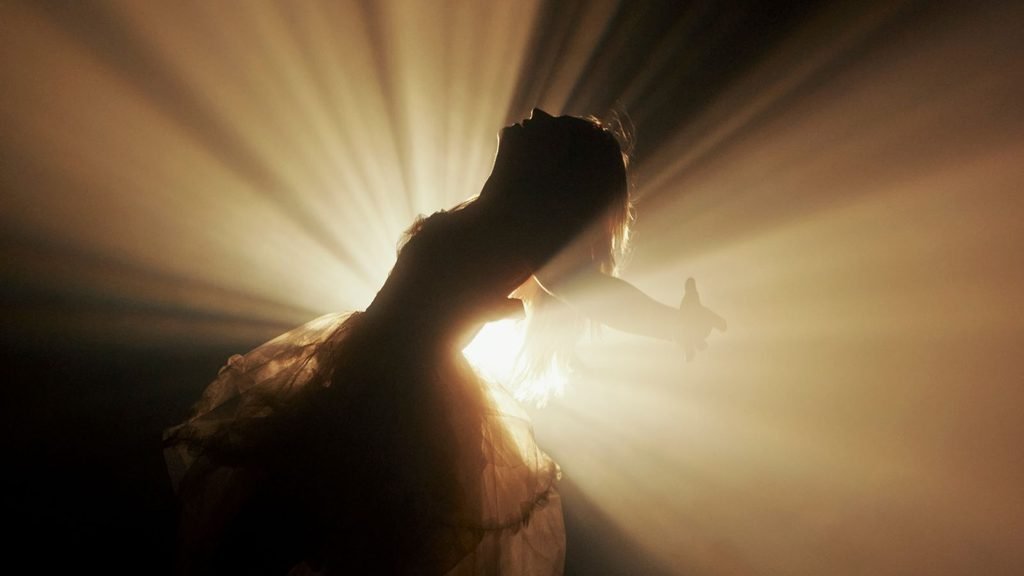
4. How does your work with sound therapy influence the way you write and perform music?
It has fundamentally shifted who I am and, therefore, how I write and perform. Qi Gong, more than anything, has stopped me dissociating. It has expanded my awareness and deepened my listening — to my body, to sound itself and to the world around me. Consequently, it has changed the way I experience life and how I write music.
That awareness feeds into how I perform and has influenced how I have chosen to share the album. The Only Human book and double 12-inch gatefold vinyl both give access to an online portal with practices including Qi Gong, sound meditations and Loving Kindness, alongside the music.
Those practices have been important in my own life, and I wanted to make them available to support listeners.
5. After many years as an independent artist, how has your definition of success changed?
It’s hard to define success. For me, it is important to reflect upon, honour and celebrate what I have created: seven independent albums and a really wonderful life, full of touring and connection. I am healthy, happy and have a wonderful relationship. So that, for me, is success — and, to be honest, having that balance always has been my definition of success.
I have never strived for fame and glory.
However, now I really do want my music to be known worldwide. So perhaps that is truly what I want, but I don’t think it’s my definition of success. Or is it?!
Owning my home would be wonderful, though!
6. When people experience your music live, what do you hope stays with them afterwards?
I hope they feel moved, more connected and perhaps a little less alone. There’s room at a concert for sadness, laughter, stillness and joy, sometimes within the same song.
On the recent Only Human tour, what stayed with me was the kindness and generosity we experienced everywhere we went. I felt it within the band and in the welcome we received from audiences and hosts.
I hope people take some of that warmth and connection home with them. Perhaps they remember a lyric, the sound of the cello or the feeling in the room when everyone sang together. I love the thought that something we shared for an evening might accompany them afterwards.
Photos by Claudia Gschwend.
tallulahrendall Official Linktree