Yoghurt: Why This Old Fermented Food Still Rules the Fridge
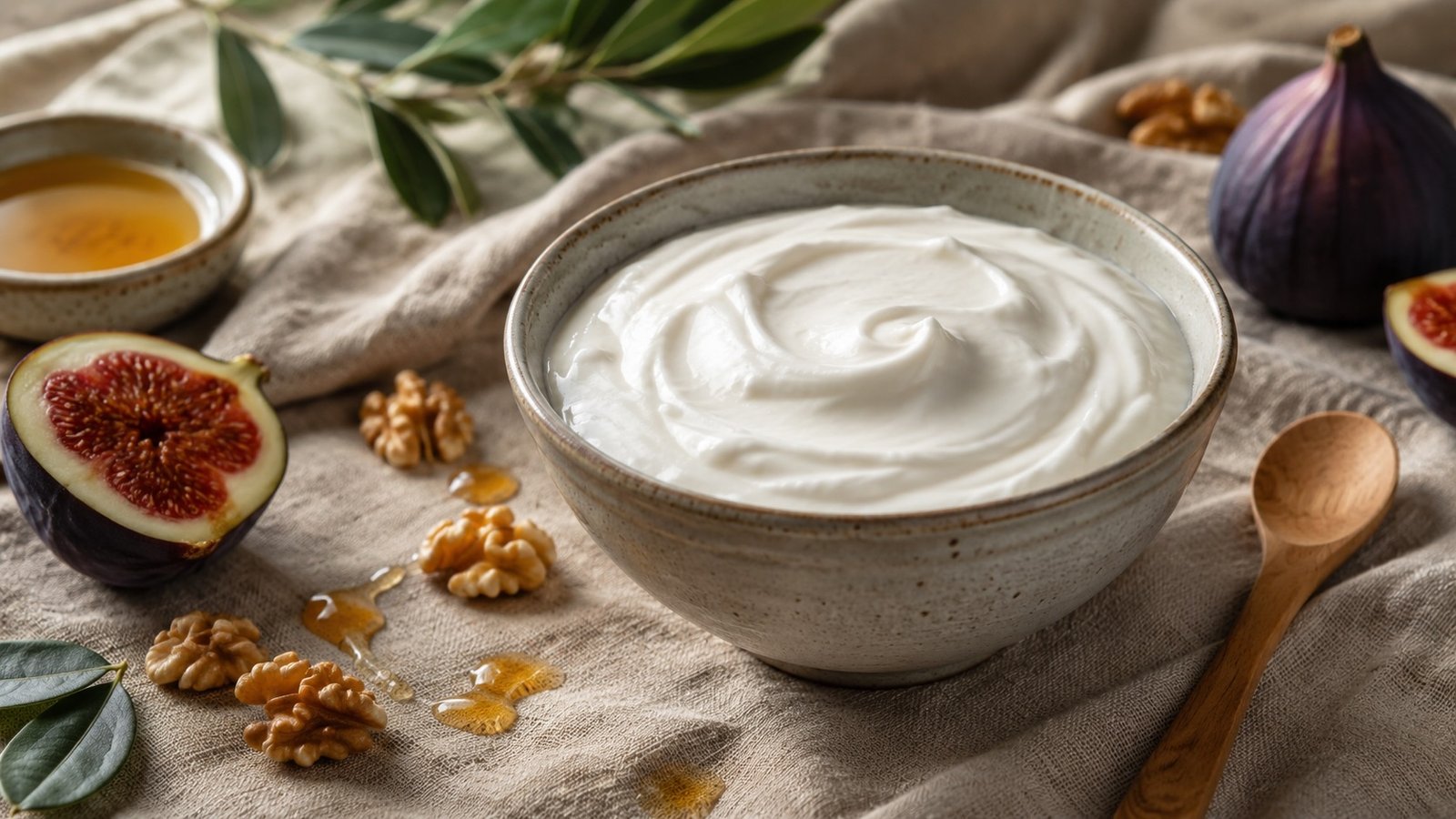
Yoghurt sounds like the sort of food invented by someone with excellent kitchen discipline, a thermometer, and a label maker. It probably began as milk left in a warm container long enough for bacteria to do what bacteria do best: turn a possible disaster into breakfast. The earliest forms of yoghurt likely appeared thousands of years ago among pastoral communities in places such as Mesopotamia and Central Asia, where milk, heat, animal-skin bags and travel created the perfect accidental laboratory. Somewhere along the way, humans looked at a pot of thickened sour milk and thought, with admirable optimism, “Yes, this seems edible.” They were right.
The magic, although it would have looked suspiciously like spoilage at first, comes from fermentation. The bacteria used in standard yoghurt production, especially Lactobacillus delbrueckii subsp. bulgaricus and Streptococcus thermophilus, convert lactose, the natural sugar in milk, into lactic acid. That acid changes the milk proteins, creating yoghurt’s tangy flavour and thicker texture. It is food chemistry, but the kind that feels older than chemistry itself, because shepherds, nomads and village cooks had the process working long before anyone gave the bacteria long Latin names.
The word itself has travelled almost as widely as the food. “Yoghurt” comes from Turkish, linked to a root meaning to thicken, condense or intensify, which is wonderfully accurate. Milk becomes something sharper, denser and more interesting. English has never quite agreed on the spelling, because naturally we needed a small civil war over dairy vowels. In Britain, “yoghurt” still feels proper and slightly cardigan-wearing. In the United States, “yogurt” looks leaner, more efficient, and probably has a gym membership.
Across the world, yoghurt has rarely stayed in one lane. In Turkey and the Balkans, it turns up beside grilled meats, rice dishes and soups. Indian kitchens use it for lassi, raita, marinades and cooling relief from chilli. In the Middle East, strained yoghurt becomes labneh, the creamy, tangy spread that makes cream cheese look as if it has not tried hard enough. Greece helped turn thick strained yoghurt into a global supermarket star, though “Greek-style” yoghurt on the shelf does not always mean the same thing as traditionally strained yoghurt. That is where modern food marketing quietly enters the room wearing a clean white apron and a suspiciously confident smile.
For much of its life, yoghurt was not glamourous. It was practical. Fermentation helped preserve milk before refrigeration. It made dairy easier to digest for many people. It fitted into everyday meals, not just breakfast bowls arranged with berries at angles that suggest an art director has been involved. Even today, plain yoghurt works as breakfast, sauce, marinade, dessert base, dip, cooling side dish and emergency fridge rescue act. Few foods move so easily between ancient shepherd food and something sold in a glass jar with minimalist typography.
Then came the age of gut health, and yoghurt suddenly found itself promoted as a near-mystical tub of inner harmony. Some of that attention makes sense. Live yoghurt can contain probiotics, often described as friendly bacteria, and health authorities generally recognise that probiotics may help some people with digestion, although evidence for many wider health claims remains limited. In other words, yoghurt may support digestion, but it will not reorganise your life, repair your inbox or turn you into a morning person.
The lactose story is more useful than many myths. Because yoghurt fermentation breaks down some lactose into lactic acid, people with lactose intolerance may tolerate yoghurt better than milk. That does not mean every lactose-intolerant person can eat yoghurt freely, because bodies love being complicated. Still, it helps explain why yoghurt has stayed popular in cultures where fresh milk itself may not suit everyone.
The health halo, however, needs a torch shone behind it. Plain yoghurt can be rich in protein, calcium and other nutrients, but the supermarket aisle has turned the category into a theatre of contradiction. One pot whispers “natural”. Another shouts “high protein”. A third promises “no added sugar” while relying on sweeteners. A fourth contains enough fruit syrup to make a jam tart blush. Plain natural and Greek yoghurts often come out better nutritionally than many flavoured, children’s and heavily sweetened varieties, which can weaken their wholesome image with sugar, syrups, thickeners and additives.
This is where yoghurt’s biggest controversy sits: not in the ancient pot, but in the modern label. A food once made from milk and bacteria has become a battleground of protein claims, probiotic claims, low-fat claims, gut-health claims and dessert-in-disguise claims. Low-fat yoghurt had its long moment, especially during the era when fat became the villain of the fridge. Recently, though, shoppers have shown renewed interest in full-fat dairy, partly because concerns over ultra-processed foods have made some people suspicious of products that remove fat and then add other ingredients to restore taste and texture.
Meanwhile, plant-based yoghurt has moved from niche shelf to serious category. Oat, soya, coconut and almond versions now compete for space beside dairy yoghurt, helped by changing diets, vegan habits, lactose avoidance, sustainability concerns and simple curiosity. Yet plant-based does not automatically mean healthier. Some products offer useful fortification and decent taste; others bring low protein, added starches, gums or sugars. As ever, the label is less romantic than the advertising.
High-protein yoghurt has also become the snack of choice for people who want pudding but would prefer it to sound like a training plan. That trend fits modern eating habits perfectly: quick, filling, portable, gym-adjacent and sufficiently virtuous to eat with a tiny spoon while pretending it is not dessert.
Yet the best yoghurt remains stubbornly simple. Plain yoghurt with live cultures gives you the most flexibility and the least nonsense. Add fruit, honey, nuts, herbs, cucumber, garlic, olive oil, spices or nothing at all. Use it to tenderise chicken, cool a curry, thicken a soup, dress a salad or rescue a dry cake. The ancient version did not need a wellness campaign because it had usefulness on its side. Modern yoghurt, buried under flavours like salted caramel cheesecake swirl and tropical sunrise crunch, sometimes forgets that.
There is a lovely irony in yoghurt’s journey. It began as a survival food, travelled through empires and kitchens, entered medical folklore, became a diet food, then a probiotic hero, then a protein snack, then a plant-based innovation platform. Through all of that, its basic trick stayed the same: let tiny organisms transform milk into something tangy, creamy and unexpectedly resilient. Yoghurt is not a miracle. It is better than that. It is an old human compromise with nature, one spoonful at a time, and occasionally with granola on top because civilisation has its weaknesses.