What Sabai Sabai Really Means
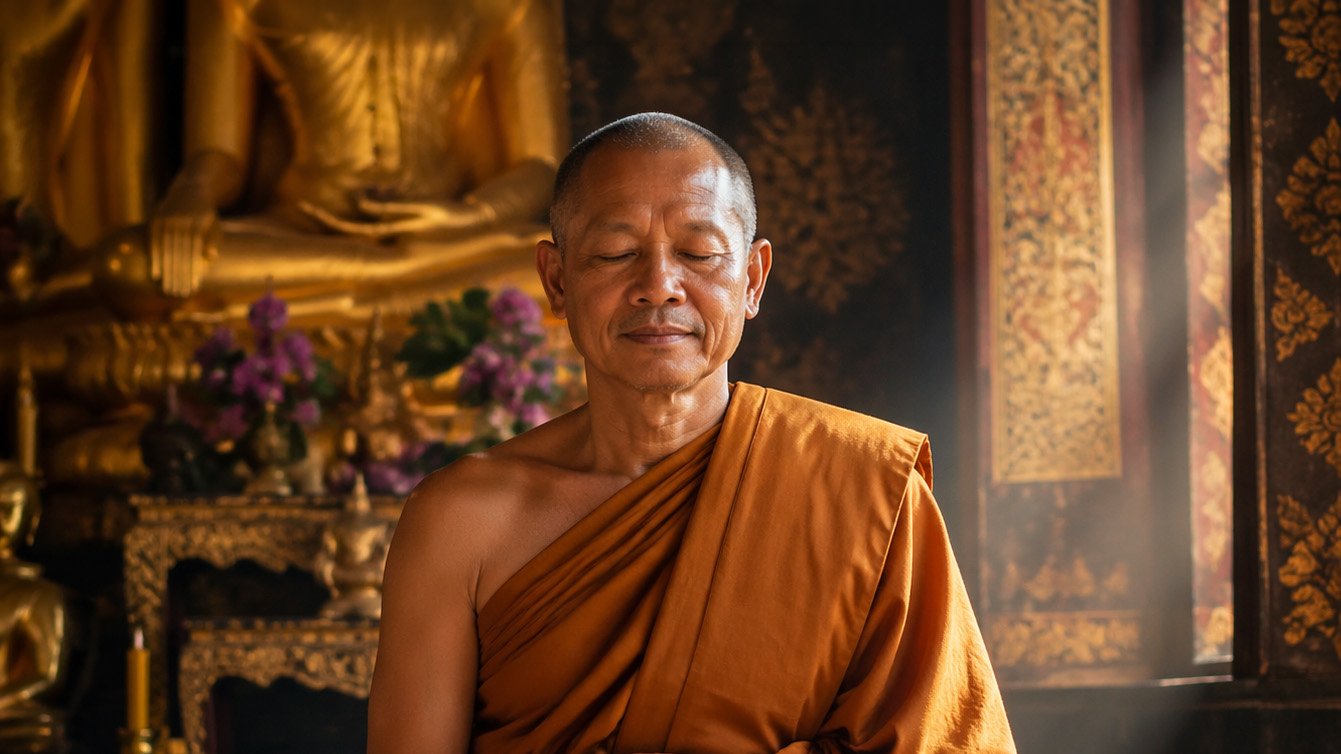
You hear it long before you fully understand it. A street vendor says it while handing over a bowl of noodles, a taxi driver drops it into conversation with an easy smile, someone shrugs gently when plans fall apart and simply says it again, almost like a reassurance rather than an explanation: sabai sabai.
At first, it sounds like one of those travel phrases people collect and then promptly misuse, the kind that gets translated into something neat and slightly misleading like “relaxed” or “take it easy.” That translation works, technically. It just doesn’t go far enough. Because sabai sabai is less a phrase and more a default setting, something closer to a quiet agreement about how life should feel rather than how it should perform.
Spend a little time around it and the tone becomes clearer. Things move, work gets done, conversations happen, decisions are made. Yet the visible layer of urgency, the sharp edges of stress that dominate so many other cultures, seem to soften. It is not the absence of effort. It is the absence of visible strain.
That distinction matters. From the outside, it can look like indifference or even laziness. Visitors sometimes fall into that trap quickly, especially if they arrive with tight schedules and expectations shaped by efficiency-driven environments. But watch more closely and the picture shifts. People are working, often very hard. They simply refuse to wrap that work in tension.
There is something slightly ironic about it. In places where productivity is almost theatrical, stress becomes a signal. You show urgency to prove importance. You display pressure to demonstrate commitment. Sabai sabai quietly rejects that performance. It suggests that calm does not equal lack of ambition, and that composure might actually be a more sustainable way to operate.
The roots of this mindset run deeper than lifestyle preference. They sit comfortably alongside a long-standing emphasis on emotional balance, where losing control in public feels less like honesty and more like a failure of discipline. Getting visibly frustrated over minor inconveniences starts to look unnecessary, even a little irrational. Why destabilise yourself for something temporary?
That question appears again and again in everyday situations. A delayed appointment does not trigger a chain reaction of irritation. A small mistake does not escalate into confrontation. Plans change, traffic builds, weather interferes, and the response remains remarkably consistent. It is not that people do not notice problems. They simply choose not to amplify them.
Of course, this does not mean everything is effortlessly smooth beneath the surface. If anything, the opposite can be true. Maintaining that calm exterior requires a degree of restraint, a willingness to prioritise harmony over immediate expression. Disagreements still exist, frustrations still happen, but they tend to move sideways rather than exploding directly.
That creates a kind of social choreography. Conversations become more indirect, signals more subtle, reactions more measured. For outsiders, this can feel confusing at first. You may leave a meeting thinking everything went perfectly, only to discover later that there were concerns that simply were not voiced in the moment. Sabai sabai keeps the surface calm, but it does not eliminate complexity.
There is also a practical side to it, one that rarely gets mentioned in romanticised descriptions. In a hot, humid climate where the pace of the day is naturally slowed, constant urgency is simply unsustainable. Try rushing through everything under a heavy sun and the logic of sabai sabai reveals itself quickly. Slowing down is not just cultural, it is functional.
Over time, that practicality evolves into something more philosophical. If rushing does not improve outcomes, and stress does not solve problems, then why centre life around them? The question feels almost obvious when framed that way, yet in many parts of the world the opposite assumption dominates. Speed is equated with progress, pressure with importance, constant activity with value.
Sabai sabai gently disrupts that equation. It suggests that life can remain productive without becoming frantic, that problems can be addressed without being dramatised, that a certain lightness can coexist with responsibility. It is not a rigid doctrine. It does not demand perfection. It simply nudges behaviour in a different direction.
Interestingly, this makes it both appealing and difficult to export. On the surface, it aligns perfectly with modern ideas like mindfulness or slow living. People outside its original context recognise the benefits immediately. Less stress, more balance, a softer relationship with time. It sounds like exactly what many are trying to achieve.
Yet adopting sabai sabai is not as simple as deciding to relax more. It depends on shared expectations. It works because the surrounding culture reinforces it at every level. When everyone else is also choosing not to escalate, the system holds. Drop the same mindset into a high-pressure environment where urgency is constantly rewarded, and it begins to feel fragile.
That tension explains why attempts to imitate it often end up feeling slightly artificial. You can copy the behaviours, take longer lunches, speak more softly, avoid confrontation. But without the underlying agreement, it risks becoming a surface aesthetic rather than a lived reality.
Even within its original setting, sabai sabai carries its own quiet contradictions. The expectation to remain composed can make it harder to address stress directly. If you are always supposed to appear calm, where do you put the moments when you are not? The answer often lies in private spaces, in conversations that happen away from the public eye, in subtle adjustments rather than dramatic releases.
So the calm you see is real, but it is also curated. It reflects both a genuine preference for ease and a learned habit of restraint. That dual nature makes it more interesting than the simplified version often presented to outsiders.
Still, the core idea remains disarmingly straightforward. Not everything needs to be pushed to its limit. Not every inconvenience deserves a reaction. Not every moment needs to be optimised, measured, or improved.
There is a quiet confidence in that approach, a sense that life does not unravel simply because you choose not to grip it too tightly. Things can still move forward. Work still happens. Goals are still reached. They just unfold without the constant background noise of urgency.
In a world that often treats intensity as a default, sabai sabai feels almost like a gentle rebellion. It does not demand that you stop caring. It simply asks you to reconsider how much tension you attach to that care.
And once you start noticing it, that small shift becomes surprisingly difficult to ignore. You catch yourself reacting, rushing, escalating, and somewhere in the back of your mind, there it is again, offered without judgement and without insistence.
Sabai sabai.