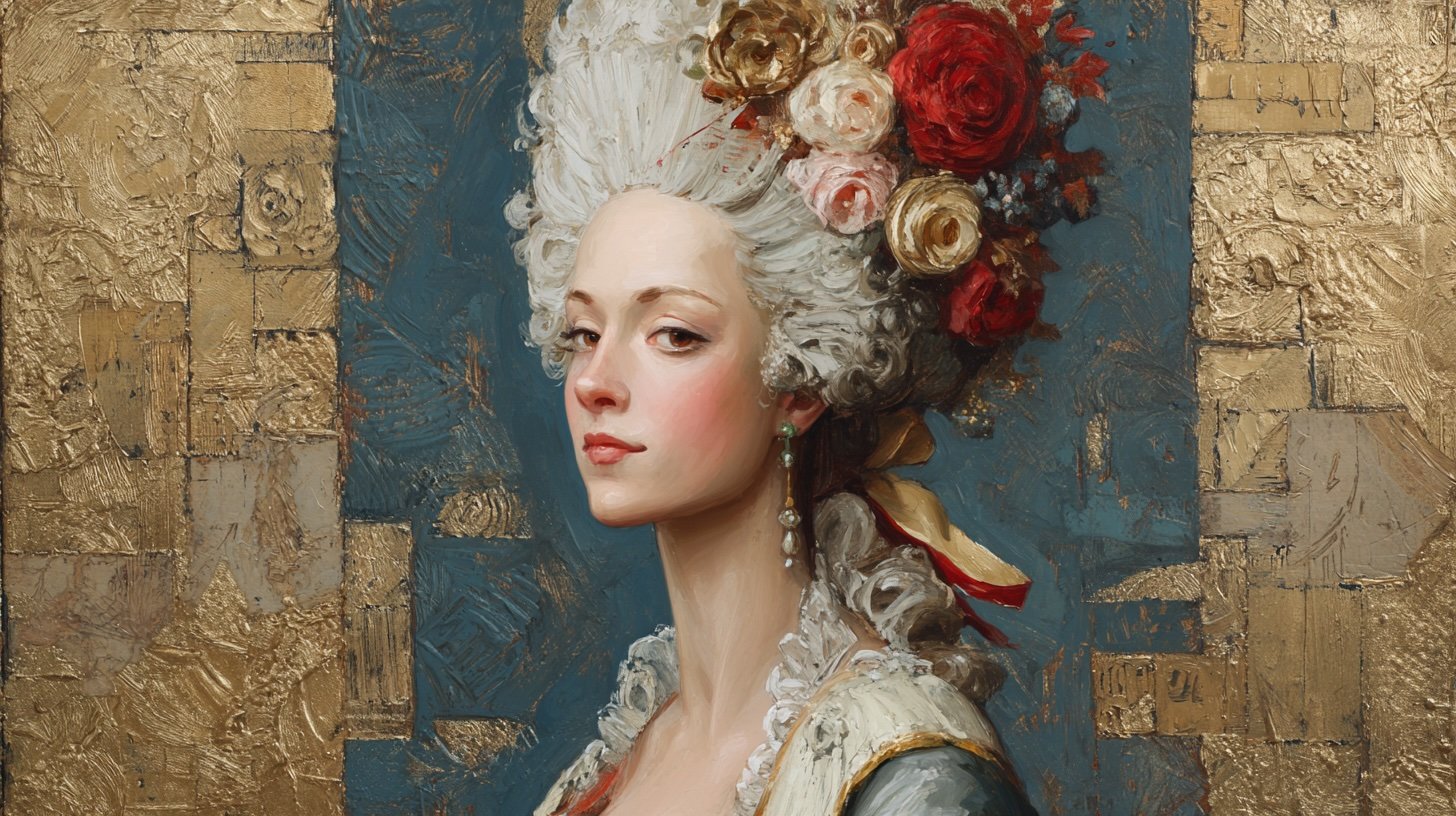
Venice has always looked as though it knows something you do not. The palaces lean over dark canals, alleyways end without warning, and even the front doors seem designed for people who prefer discreet entrances. Add several thousand masked strangers in velvet cloaks, and the city stops pretending to be normal altogether.
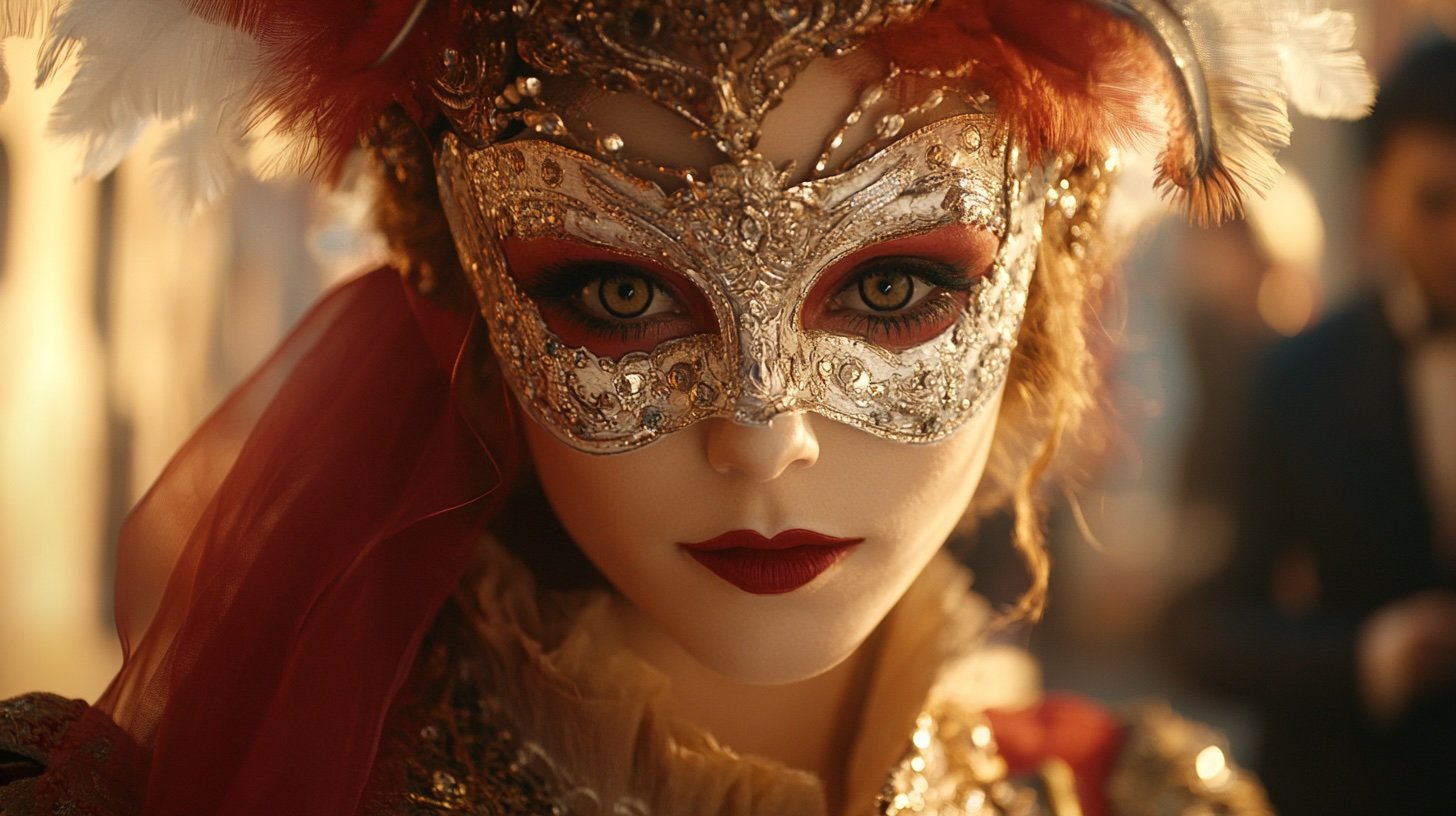
The Venice Carnival often appears in photographs as an elegant costume parade: porcelain faces, feathered hats, powdered wigs and gowns wide enough to obstruct a small bridge. Yet the masks began as far more than decorative accessories. They offered anonymity in a society obsessed with rank, reputation and surveillance. For a few hours, or sometimes for much longer, Venetians could step outside the identity assigned to them.
Carnival itself grew from the period of feasting before Lent, when people ate, drank and behaved badly before religion restored the usual rules. A document from 1094 mentions carnevale, while Venice formally recognised the festival as a public celebration in the late thirteenth century. The authorities probably imagined a manageable holiday. Venice, predictably, turned it into an entire social season.
By the eighteenth century, Carnival could stretch for months. Theatres filled, gambling houses flourished, acrobats performed in public squares, and foreign aristocrats arrived to experience Venice’s carefully managed version of chaos. The city sold glamour, danger and plausible deniability in one convenient package. Long before modern destination marketing, Venice understood that mystery moves merchandise.
The mask made the whole arrangement possible. It blurred the line between nobleman and merchant, respectable wife and adventurous stranger, government official and habitual gambler. A servant could address an aristocrat without the usual ceremony. A noblewoman could enter places where her name would cause scandal. Meanwhile, a married gentleman could pursue romantic research without submitting a report to his household.
This apparent equality had limits, of course. A silk cloak remained a silk cloak, and wealthy Venetians rarely disguised themselves as impoverished fishermen for long. Still, the mask temporarily weakened the social signals that organised daily life. It created what we might now call a controlled identity experiment, although Venetians preferred music, wine and questionable decisions to academic terminology.
The most recognisable disguise was the bauta, which usually combined a white mask with a black cape and three-cornered hat. Its projecting lower section allowed the wearer to speak, eat and drink without removing it. More importantly, the shape distorted the voice. The bauta did not merely hide a face; it disrupted the clues that helped others identify age, class and sometimes gender.
People wore the bauta beyond Carnival. Venetians used it at theatres, political meetings, gambling houses and private encounters. In certain official situations, the republic even required anonymity, turning disguise into a civic instrument rather than an act of rebellion. Venice understood a curious political truth: secrecy could threaten authority, but carefully regulated secrecy could also protect it.
The moretta offered a different kind of mystery. This small, black velvet mask covered a woman’s face and remained in place through a button held between her teeth. Consequently, the wearer could not speak without letting the mask fall. Admirers later romanticised it as a sophisticated tool of silent seduction. That interpretation sounds charming until one notices that the design literally silenced women.
Perhaps some wearers enjoyed controlling conversation through gestures and glances. Others may simply have accepted an absurd fashion because everyone else had done so. Either way, the moretta captured the central contradiction of the Venetian mask: disguise could liberate the wearer while also imposing a new role. Freedom arrived, but it came with costume instructions.
Then there is the plague doctor, with its long beak, round eyes and deeply unsettling expression. It now stalks every Venetian souvenir shop, looking like a medically qualified crow. However, it did not originate as a Carnival character. The costume developed from seventeenth-century protective clothing associated with physicians treating plague victims, who filled the beak with aromatic materials in the mistaken belief that pleasant smells could filter dangerous air.
Modern Carnival adopted the figure because it looked theatrical, macabre and unmistakably Venetian, even though its origins were not exclusively Venetian. This provides a useful warning about tradition: some customs descend through centuries, while others arrive later, rent an old costume and behave as though they have always lived there.
Other masks came from commedia dell’arte, the Italian theatrical tradition built around familiar comic types. Pantalone represented the miserly old merchant, Arlecchino the nimble servant and Colombina the clever maid. These characters exaggerated class habits until audiences could laugh at the social order without actually dismantling it. Carnival performed a similar trick. It mocked hierarchy, allowed limited transgression and then returned everyone to normal life.
Naturally, anonymity caused problems. Masked Venetians carried weapons, entered convents, committed robberies, concealed affairs and gambled with impressive dedication. The government repeatedly restricted when and where masks could appear. Regulations prohibited disguises in churches, banned certain cloaks that could conceal weapons and attempted to stop masked citizens roaming at night. The republic loved Carnival, but it preferred rebellion to finish on schedule.
One popular myth claims that masks created complete social equality. They did not. Venice remained an oligarchic republic dominated by patrician families, and one night behind a white face did not erase wealth, influence or inherited privilege. Yet Carnival did provide unusual spaces for contact between social groups. It suspended parts of the visible hierarchy, even when the invisible hierarchy remained firmly employed.
Another myth treats Giacomo Casanova as the spirit of Carnival itself. He certainly attended masked gatherings, gambled, pursued lovers and used anonymity to excellent effect. Nevertheless, he did not invent Venetian libertinism. He simply became its most famous publicist, largely because he wrote everything down. Many equally adventurous Venetians had the good sense to leave fewer memoirs.
The old Carnival ended after Napoleon’s forces brought down the Venetian Republic in 1797. Later rulers discouraged or restricted public masking, and the great festival faded into memory, private entertainment and local custom. The lavish celebration familiar today does not represent one unbroken medieval tradition. Venice revived it officially in 1979 as a cultural project designed to restore historic crafts, theatrical traditions and winter tourism.
That revival succeeded almost too well. Contemporary Carnival attracts enormous crowds, particularly around Piazza San Marco and the Rialto. Authorities sometimes introduce controlled pedestrian routes through narrow streets, while Venice’s broader struggle with overtourism has produced access charges for some day visitors. The modern mask may conceal a face, but it cannot conceal forty people trying to photograph it simultaneously.
Commercialisation creates another controversy. Some masks come from genuine Venetian workshops, where artisans shape papier-mâché, apply gesso, paint surfaces by hand and add fabric, metal leaf or feathers. Venice formally recognised mask-makers as a professional craft in the fifteenth century. However, many inexpensive souvenirs now come from industrial production outside the city, despite their carefully manufactured aura of ancient lagoon magic.
This distinction matters because the Carnival does not survive through spectacle alone. It depends on craftspeople, costume designers, performers, musicians and residents who keep transforming history into living culture. Buying a handmade mask will cost more than selecting a shiny plastic face beside a fridge magnet. At least the handmade version supports the tradition rather than merely borrowing its cheekbones.
Today’s Carnival combines free street performances with private balls held inside palaces. Some exclusive events charge hundreds of euros and require elaborate period costume, which brings the old question of equality back into the room. Anyone can wear a simple mask in the square, but not everyone can spend an evening dining beneath frescoes while dressed as an ambassador from 1750. In Venice, even democratic fantasy offers premium seating.
Yet the festival retains something deeper than expensive costume drama. Wearing a mask changes how people move, watch and interact. The wearer becomes more conscious of being seen but less accountable to the face others normally recognise. Strangers hold eye contact longer. Silence feels deliberate. A simple exchange across a foggy square can resemble the opening scene of a conspiracy, even when both participants are merely searching for coffee.
That feeling explains why the Carnival continues to fascinate. Venice does not ask visitors to believe that the past has returned exactly as it was. Instead, it invites them to participate in a theatrical version of history, knowing that theatre can reveal truths ordinary life hides. We perform identity every day through clothing, profession, manners and social media profiles. Carnival merely makes the performance more honest by adding a mask.
Behind the painted face lies no single secret. The mask can represent freedom, deception, seduction, protection, privilege or escape. It can challenge hierarchy while preserving it, silence a person while making them visible, or turn a tourist into a temporary aristocrat with extremely cold hands. Above all, it expresses Venice’s favourite idea: appearances may deceive, but they can also tell the truth rather beautifully.