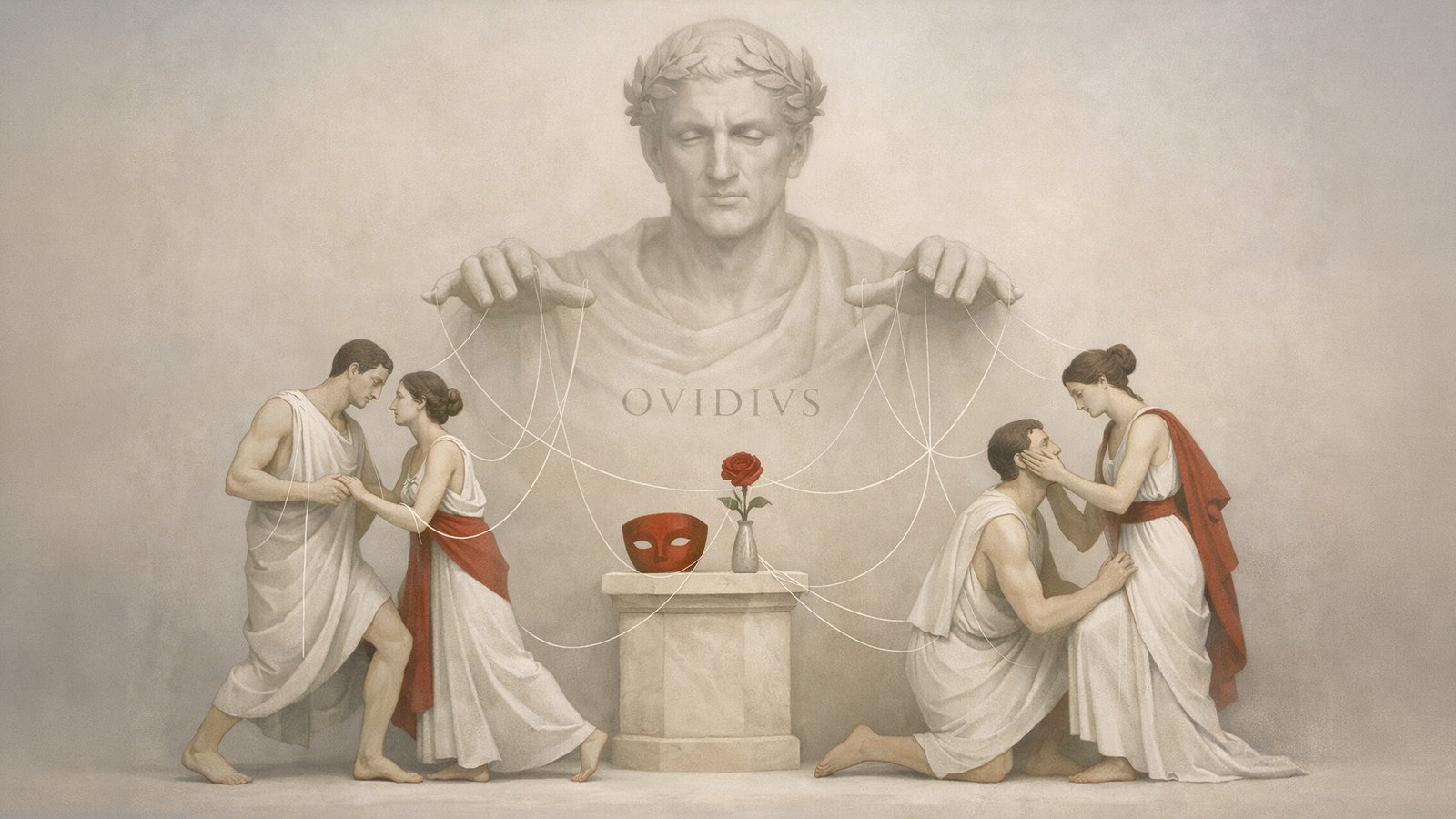
Some songs debut with elaborate marketing campaigns, glamorous launches, and executives insisting on their inevitable success. “Lili Marleen” followed a far less direct path. It started as a poem written by a soldier during the First World War, became a commercial failure more than twenty years later, and then unexpectedly took over the airwaves during the Second World War.
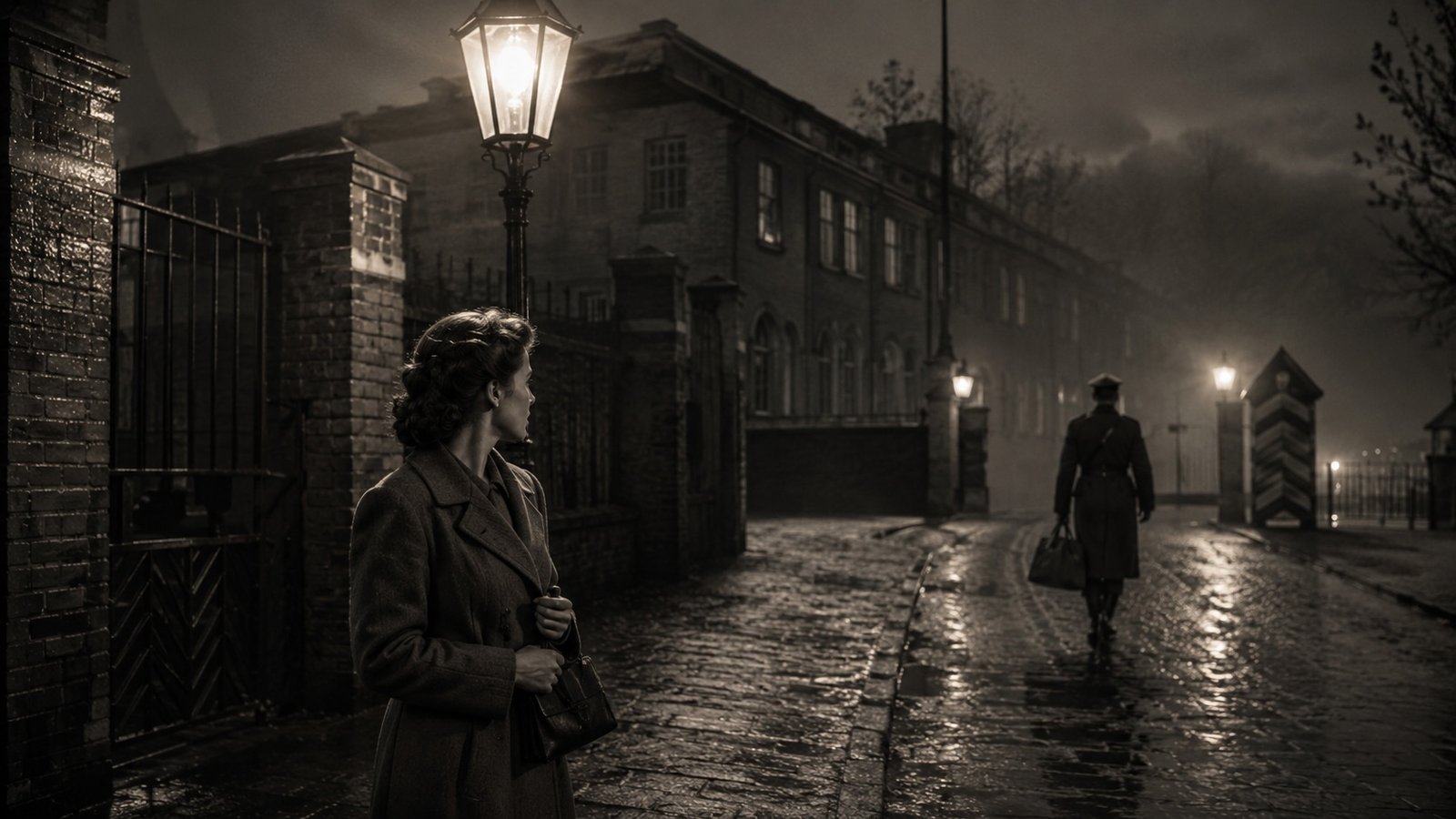
It did not praise flags, victories or heroic charges. Instead, it described a soldier standing outside a barracks, remembering a woman beneath a street lamp. That modest scene somehow became the emotional soundtrack of men fighting on opposite sides of history.
The story began in 1915 with Hans Leip, a young German schoolteacher who had been called into the Imperial German Army. Shortly before leaving for the Eastern Front, Leip wrote a poem usually translated as “The Song of a Young Soldier on Watch”. Its narrator remembers meeting his sweetheart beside a lamp near the barracks gate. Military duty separates them, while the possibility of death hangs quietly over every line.
Leip later said that the name Lili Marleen combined two women from his life. Accounts differ over their precise identities. Lili may have been a grocer’s daughter or a girlfriend, while Marleen may have been a nurse or the sweetheart of another soldier. The uncertainty has helped the legend. There may never have been one real Lili Marleen, which seems appropriate because millions of soldiers eventually imagined their own woman beneath the lamp.
The poem remained obscure for years. Leip published it in a collection in 1937, adding further verses. Composer Norbert Schultze then set it to music, giving the words a melody that sounded part military march, part cabaret lament and part late-night memory that refuses to leave politely.
Singer Lale Andersen recorded it in 1939. The record appeared under the title “Das Mädchen unter der Laterne”, meaning “The Girl Beneath the Lantern”, although listeners came to know it simply as “Lili Marleen”. Nobody immediately recognised a masterpiece. The recording reportedly sold only a few hundred copies. Record buyers had spoken, and their verdict was approximately: charming lamp, lovely girl, next please. Then war intervened, as war has a habit of doing.
After German forces occupied Yugoslavia in 1941, they took control of Radio Belgrade and turned it into a military broadcasting station. Its signal reached German troops across Europe and North Africa. The station needed records, so an officer brought back a collection from Vienna. Among them sat Andersen’s forgotten song.
Radio Belgrade began playing it, partly because its musical library was limited. Soldiers heard Andersen’s low, slightly smoky voice drifting across the night. The song soon attracted requests, especially from troops serving in North Africa, where the lonely lamp and distant lover must have felt painfully close despite the very different landscape.
Eventually, “Lili Marleen” became the station’s nightly closing tune. It reportedly went out around the same time each evening, creating a peculiar wartime ritual. Men stopped what they were doing and listened. Somewhere beyond the darkness, they imagined a barracks gate, a familiar face and a life untouched by sand, shells and military bureaucracy.
British and other Allied soldiers could also receive Radio Belgrade. They might have disliked the propaganda surrounding the broadcast, but they liked the song. Language presented little difficulty because its emotional plot required no advanced German: soldier, woman, separation, memory, possible death. War had generously provided every listener with the necessary background information.
This created one of the strangest cultural moments of the Second World War. German troops listened to “Lili Marleen”. British troops listened to it as well. Italians, French soldiers, Americans and servicemen from across the Commonwealth adopted translated or adapted versions. Armies that disagreed rather seriously about the future of Europe agreed that Lili had something.
The song’s power came partly from what it avoided. It offered no triumphant generals, no cheering crowds and no suggestion that dying for the state represented an excellent career move. Its soldier did not dream about conquest. He wanted to stand beside a woman under a lamp.
That emotional honesty made Nazi officials uncomfortable. Propaganda Minister Joseph Goebbels reportedly disliked the recording’s sadness and considered it potentially demoralising. He preferred music that encouraged fighting spirit, whereas “Lili Marleen” encouraged soldiers to wonder whether they might ever return home.
Attempts to restrict or remove the song only produced complaints from servicemen. Radio Belgrade restored it, demonstrating an important rule of popular culture: banning something beloved by several hundred thousand bored soldiers rarely makes it less popular.
Lale Andersen herself had a complicated relationship with the regime. Her international contacts and reported associations with Jewish friends attracted official suspicion. At one stage, the authorities restricted her work, although she later resumed performing. She had become famous through a military broadcasting system controlled by a dictatorship, yet her most famous song carried no convincing trace of dictatorship’s preferred emotions.
Then came Marlene Dietrich, a German-born Hollywood star who had rejected Nazi Germany and become an American citizen. During the war, she entertained Allied troops and recorded German-language material for American psychological operations. Her version of “Lili Marleen” turned a song popularised by German military radio into an Allied propaganda instrument.
The irony could hardly improve. A song disliked by Goebbels, first made famous among German troops, now returned across enemy lines in the voice of one of Hitler’s most prominent German opponents. Dietrich performed it for Allied soldiers near the front, often in difficult and dangerous conditions. Her elegant, weary delivery added another layer to the song: not merely longing, but the knowledge that longing may survive after certainty disappears.
People sometimes call “Lili Marleen” an anti-war song. Strictly speaking, it contains no political argument against war. It does something more subtle and perhaps more effective. It reduces war to the experience of one person who misses another person. Once stripped of maps, uniforms and speeches, the grand historical drama becomes a young man wondering whether a woman still waits beneath a lamp.
Another myth claims that soldiers on opposing sides regularly sang it together across the battlefield. Such stories fit the song’s reputation, although individual tales remain difficult to verify. What we do know matters more: both Axis and Allied soldiers listened to it, requested it, translated it and treated it as their own. The shared response was real, even when the shared singalong may belong partly to romantic memory.
Nor did the song vanish in 1945. Performers recorded it in numerous languages, while films, stage productions and memoirs kept returning to its haunting image. Rainer Werner Fassbinder even made a 1981 film called “Lili Marleen”, loosely inspired by Lale Andersen’s experiences. By then, the song had moved beyond wartime entertainment and become a symbol of Europe’s fractured memory.
Its cultural survival also reveals how songs change ownership. Hans Leip wrote the words, Norbert Schultze composed the melody and Lale Andersen gave the original famous performance. Yet German soldiers, British soldiers, Marlene Dietrich, translators and later audiences all remade it. No government managed to control what it meant.
Perhaps that explains why “Lili Marleen” endured while thousands of official wartime songs disappeared. Propaganda usually tells people what they should feel. This song allowed them to feel what they already felt: loneliness, tenderness, fear and an almost embarrassing desire to go home.
The street lamp matters too. It creates a small pool of safety surrounded by darkness. Beneath it, the soldier remembers himself not as part of an army, but as a man in love. Beyond it wait the barracks, the march and the battlefield. The whole emotional geography of war fits into that contrast.
“Lili Marleen” never stopped a battle. It did not reconcile governments or persuade armies to put down their weapons. Still, for a few minutes each evening, it reminded enemies that the men across the desert were missing someone too.
That may be the song’s quiet achievement. The most famous military song of the Second World War was not truly about military glory. It was about leaving a woman beside a lamp and fearing that neither of you would ever stand there again.