Shiitake Mushrooms and Lentinan: More Than Just Food
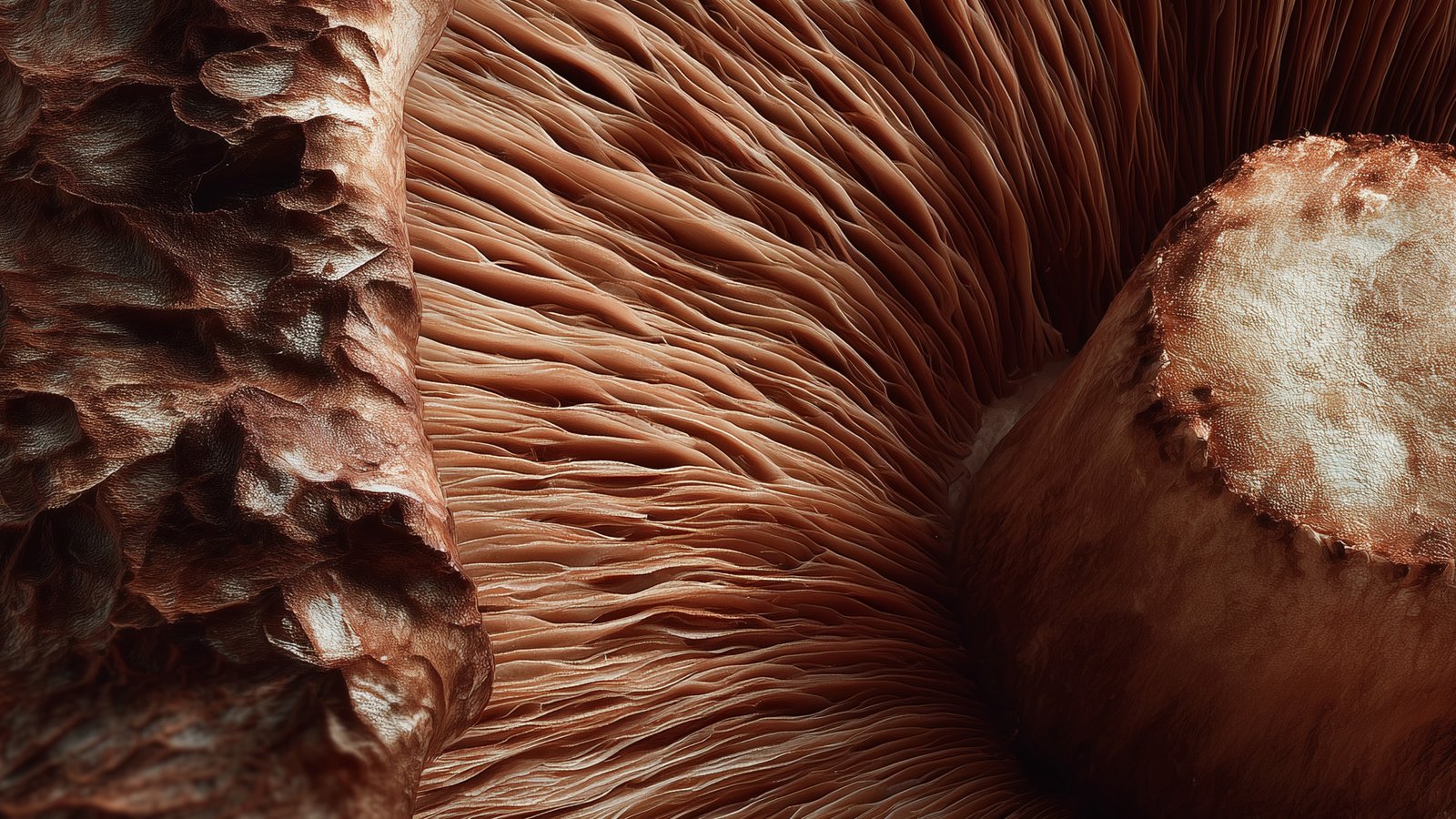
There’s something quietly theatrical about the way certain ingredients drift from kitchen staple to near-mythical status. One day they sit innocently in a stir-fry, the next they’re starring in research papers and hospital protocols. Lentinan belongs firmly in that category. It comes from shiitake mushrooms, long prized in East Asian cuisine, yet hiding a compound that has spent over half a century under scientific scrutiny.
The story sharpens around 1969–1970, when Japanese researcher Goro Chihara and his colleagues at the National Cancer Center Research Institute in Tokyo isolated and characterised lentinan. This wasn’t a casual culinary curiosity. Chihara’s team were systematically screening natural substances for anti-tumour properties, part of a broader effort to explore bioactive compounds in traditional foods. Early experiments showed something unusual: lentinan did not directly kill tumour cells but slowed their growth in animal models by activating the host’s immune response.
That distinction ended up shaping everything that followed. Lentinan doesn’t behave like a drug that goes in and attacks a problem head-on. It works more subtly, more indirectly. Think of it less as a weapon and more as a kind of signal. It nudges the immune system into paying closer attention, encouraging key cells to become more active and responsive. These are the same cells that quietly patrol the body every day, spotting things that don’t belong and dealing with them before they become serious. Lentinan, at least in theory, helps them do that job a little better.
By the late 1970s, this mechanistic promise began translating into clinical experimentation. One of the most cited studies emerged in 1985, when a Phase III trial led by Tetsuo Taguchi examined patients with advanced gastric cancer. Those receiving lentinan alongside chemotherapy showed improved outcomes compared to chemotherapy alone. The effect was not dramatic enough to claim a breakthrough, but it was consistent enough to attract attention, particularly in terms of immune response and patient condition.
This led to lentinan being licensed in Japan as an antitumour adjunct, especially used alongside chemotherapy for gastric cancer. It is typically administered intravenously rather than orally, often in carefully controlled doses. In some studies, including later work from researchers such as Masahiko Ina, combinations with modern chemotherapy agents like S-1 suggested improved survival outcomes, although results vary depending on patient group and study design.
Yet the Western medical community never fully embraced it. Partly this reflects differences in regulatory frameworks, but it also stems from the nature of the evidence. Many studies were relatively small or varied in design. When later reviews attempted to synthesise the data, the conclusions often landed in familiar territory: biologically plausible, clinically interesting, but not definitive enough for widespread adoption under standards expected by bodies such as the U.S. Food and Drug Administration.
Research has continued to branch out. Studies have explored lentinan’s role in immune modulation beyond oncology, including investigations into infectious diseases and inflammatory pathways. Some early work even examined its effects in HIV patients, noting modest improvements in immune markers when used alongside standard treatments. More recent research has looked at ageing and chronic inflammation, though much of this remains at laboratory or early clinical stages.
Then there is the question of dosage and delivery, which tends to get lost once lentinan leaves the clinic and enters the wellness market. In medical settings, lentinan is administered intravenously in precise doses, often around 1–2 mg per week. Compare that with dietary intake: even a generous serving of shiitake mushrooms contains only small amounts of active lentinan, and cooking alters its molecular structure. Heat disrupts the triple-helix configuration believed to underpin its biological activity, meaning that what reaches the body from food is not identical to what is used in clinical contexts.
This gap has not stopped the supplement industry from leaning heavily into the narrative. Extracts standardised for beta-glucan content are widely sold, often without clear evidence that oral supplementation replicates the effects seen in intravenous administration. Some research suggests that gut-associated immune tissue may respond to beta-glucans, offering a pathway for oral activity, but the scale and consistency of this effect remain uncertain.
There’s also a curious and slightly unsettling footnote: shiitake dermatitis. First formally described in 1977 by Japanese physician Hiroshi Nakamura, it presents as a striking, whip-like rash appearing one to three days after consuming raw or undercooked shiitake mushrooms. The reaction is linked to lentinan, particularly when it has not been fully altered by heat. While rare, it continues to appear in medical literature and serves as a reminder that biologically active compounds rarely operate in a single dimension.
Beyond the clinical and the curious, lentinan also sits within a broader scientific conversation about beta-glucans. Compounds from oats and barley are known for their cholesterol-lowering effects, while yeast-derived beta-glucans have been studied for immune resilience in athletes and infection resistance. Lentinan’s particular structure appears to give it a stronger interaction with immune receptors, which may explain why it became one of the earliest candidates for cancer-related research.
Still, context matters. Immune stimulation is not universally beneficial. In autoimmune conditions, where the immune system is already overactive, additional stimulation could theoretically be harmful. Research into lentinan in these contexts remains limited, and most clinicians approach it with caution.
And so lentinan continues to exist in a kind of scientific middle ground. It is too well-studied to dismiss, too inconsistent to fully embrace, and too biologically interesting to ignore. Its journey from a traditional food component to a clinically used adjunct therapy, and then to a wellness buzzword, reflects a broader pattern in modern health culture: the search for compounds that promise to support the body without overwhelming it.
Perhaps the most honest way to look at lentinan is not as a miracle or a myth, but as a case study in how science, culture, and commerce intersect. It shows how a compound can move from laboratory curiosity to hospital use and then into everyday conversation, picking up layers of interpretation along the way.
And somewhere in all of this, the humble shiitake mushroom carries on as it always has, quietly contributing flavour to meals while harbouring a molecule that refuses to stay in the background. The irony is hard to miss. For all the complexity, debate, and cautious optimism surrounding lentinan, its origins remain disarmingly simple: a mushroom, a meal, and a question that scientists are still trying to answer.