From the horses of Anatolia to a clownfish beside a discarded toothbrush, the British-Turkish photographer tells Interessia Magazine how a second career began with an old camera and a diving trip.
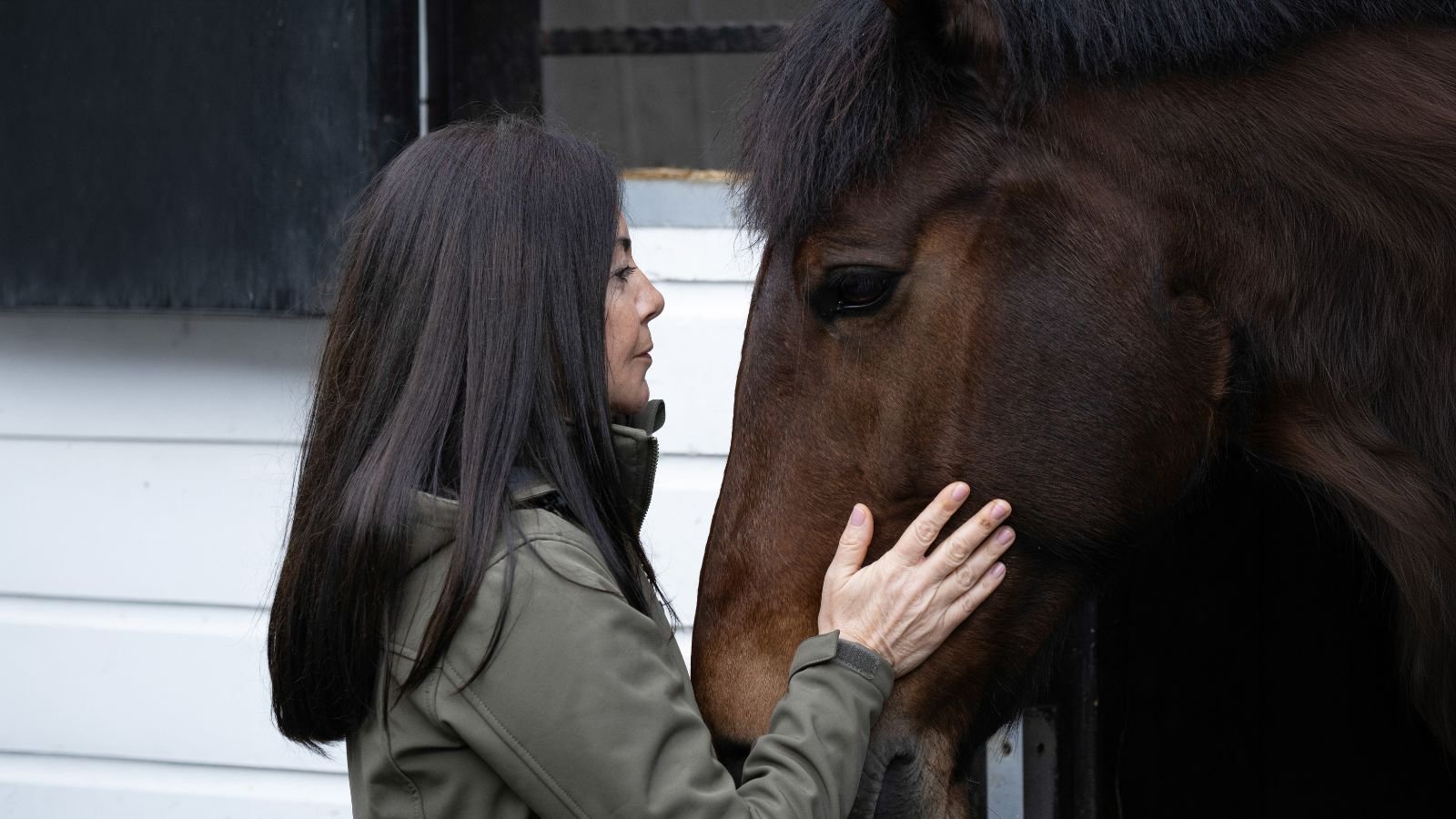
Nur Tucker turned up to an advanced underwater photography workshop in Raja Ampat with an outdated camera and no idea quite how advanced the workshop was. After three decades in investment banking, she’d expected retirement to give her more time for her family, piano lessons and bridge. A diving trip set her on the path to a second career, one that would take her from the reefs of Indonesia to the dusty plains of Anatolia.
This November, Peace & Colour Gallery brings Tucker’s photographs of horses from around the world to London’s Shepherd Market for Majesty of the Horse. “What drew me to Nur’s work was how differently she sees each horse,” says Irina Emtseva, founder of Peace & Colour Gallery. “In one photograph, you notice the curve of a neck in the half-light. In another, you can almost hear the hooves through the dust. I wanted to bring those photographs together because each reveals something about the horse and the place it belongs to.”
Ahead of the exhibition, Tucker spoke to Interessia Magazine about learning to wait, the childhood novel that gave her a new way to understand the horses of Anatolia, and what a discarded toothbrush beside a clownfish can tell us about the ocean.
1. After three decades in investment banking, you made photography your profession. What gave you the confidence to make that change, and what did you have to unlearn along the way?
I never actually made a conscious decision to become a professional photographer. After retiring, I wanted to spend more time with my family. I enjoyed doing the school runs, grocery shopping and cooking meals at home. These were things I’d rarely had the luxury of doing before. I also began taking piano lessons, learning French and playing bridge. I’d been a passionate scuba diver for many years, and it was through diving that photography unexpectedly entered my life.
Shortly after retiring, I found myself on a liveaboard in Raja Ampat, attending an advanced underwater photography workshop led by Alex Mustard. Looking back, I probably had no business being there! I had a rather outdated camera and was surrounded by highly accomplished photographers. But I was fascinated. I took copious notes and absorbed everything I could. Winning the British Society of Underwater Photographers’ Beginners’ Portfolio Competition in 2017 gave me the confidence to enter international competitions.
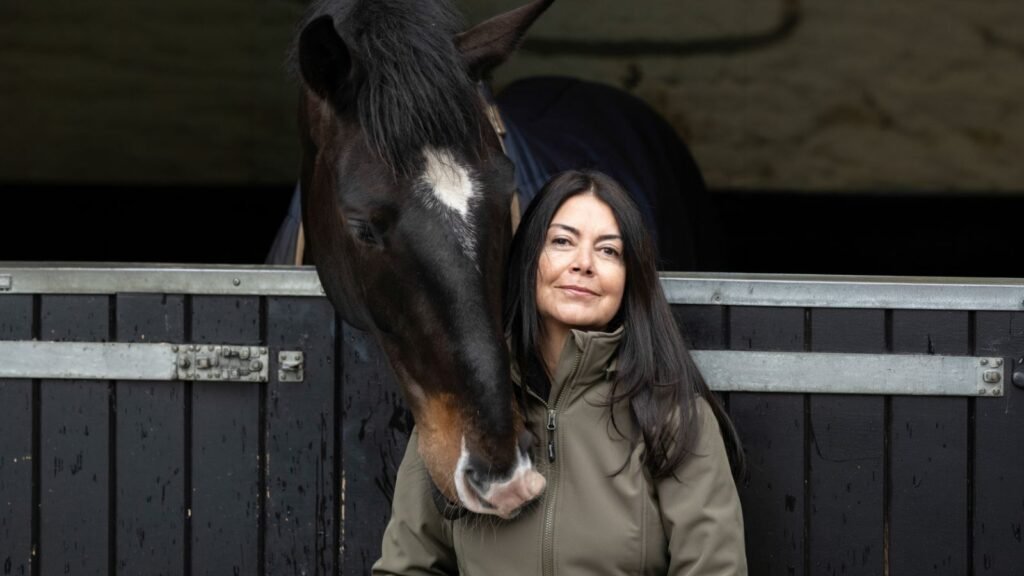
I brought the same discipline and work ethic to photography that had shaped my banking career. As for what I had to unlearn, perhaps the greatest lesson was patience. I’m naturally impatient, accustomed to making decisions quickly and wanting results almost immediately. I had to learn to slow down, observe, wait and sometimes accept that hours or even days of effort might produce nothing at all.
2. Your exhibition Majesty of the Horse brings together photographs of horses from around the world. What draws you to a particular animal, and how do you reveal something of its character?
Underwater photography can mean travelling for nearly 48 hours just to reach a diving destination. I wanted to find something I could photograph over a long weekend rather than disappearing for weeks at a time. Someone suggested the white horses of the Camargue in southern France. I can’t remember who it was, but I shall always be grateful. I fell in love with horses almost immediately.
Every horse has its own personality, just like people. The Portuguese Lusitanos have an almost aristocratic elegance, with the poise and presence of supermodels on a catwalk. I enjoy photographing them individually in dark stables, using only natural light. Sometimes the curve of a neck or the swish of a tail tells you more than seeing the entire animal. With the semi-wild Yılkı horses, I look for the bonds within the herd and signs of how they endure the harsh conditions of the Anatolian steppes. The dust, the wind and the rugged landscape are as much a part of their story as the horses themselves.
3. How did your Turkish heritage shape The Untold Story of the Yılkı Horse, and what did you learn that photographs alone could not convey?
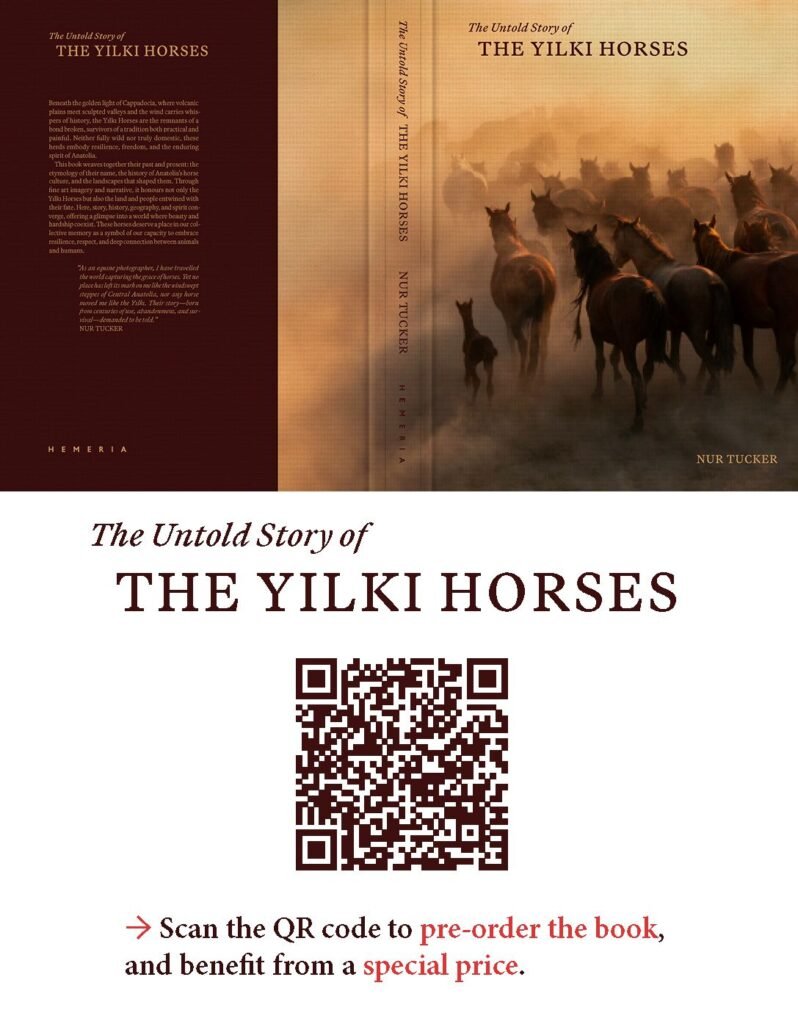
As a child growing up in Türkiye, I read Abbas Sayar’s novel Yılkı Atı, about a horse abandoned by its owner and left to survive a bitter winter. I remember being profoundly affected by the horse’s pain and confusion. Yet when my mentor, Tony Stromberg, suggested photographing the Yılkı horses, I tried to talk him out of it. I imagined a few rather bony horses with matted coats. In the end, I went along mainly to help him find his way around and with the language. Then I stood on the plains of Hürmetçi Sazlığı and watched hundreds of horses gallop through enormous clouds of dust. I was captivated and rather embarrassed that I’d tried so hard to discourage him.
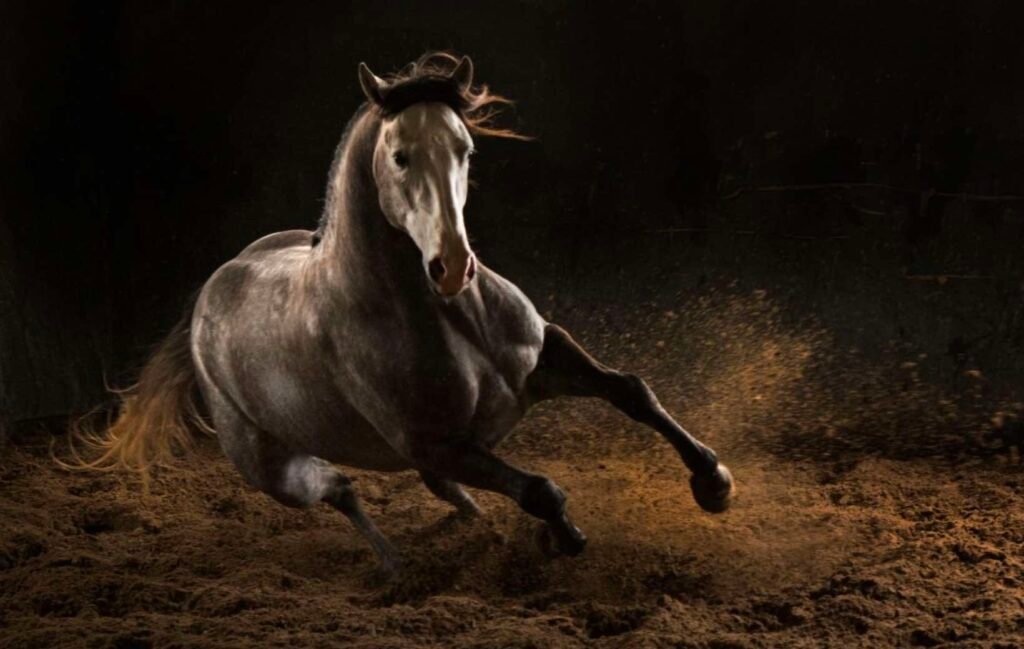
I kept going back and eventually made the horses the subject of my Royal Photographic Society Fellowship submission. Preparing the panel took two years and meant working through some 30,000 images. I imagined turning them into a coffee-table book. When I approached the Turkish Ministry of Culture, they wanted substantial written material about the horses and their cultural significance. I resisted at first, then began researching. For generations, rural communities depended on horses, yet some were released to fend for themselves when they were no longer needed or became too costly to feed. A photograph can show a herd galloping through golden dust. It takes words to explain how those horses came to be there. What began as a photographic adventure became a journey into the history of the country where I was born.
4. How does your creative process change when you move from photographing marine life to directing a scene with an underwater model?
With marine life, I have to work within the constraints of the animal’s natural behaviour. I anticipate its movements and adapt my ideas to whatever nature allows. Sometimes I have only a fraction of a second to capture the image I’ve imagined. With models, I can plan the lighting, positioning and atmosphere in advance. Communication and teamwork become particularly important because underwater conditions rarely allow everything to go exactly as expected. In both cases, I’m asking myself the same question. How can I photograph this subject in a way that hasn’t been seen a thousand times before?
5. What tells you that an image would benefit from an experiment with light, movement or reflection?
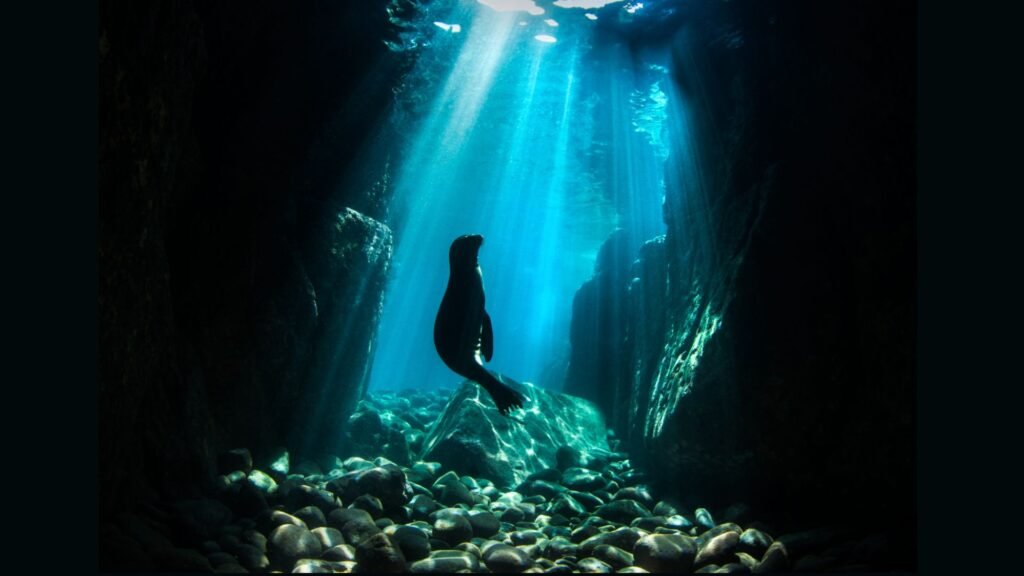
During the pandemic, I began playing with fabric, backgrounds and mirrors in the swimming pool at our home in Türkiye. One of the resulting images, Alice Through the Looking Glass, went on to win awards and appeared on the cover of the Royal Photographic Society’s magazine. I usually start with an idea, but a passing cloud or a little wind disturbing the surface can completely change the result. Sometimes nature produces something far more interesting than I’d imagined. If a technique adds emotion or mystery, I’ll use it. Sometimes a fleeting expression or an unexpected interaction between animals already gives me everything the photograph needs.
6. What have you learnt about turning a viewer’s fascination with a photograph into concern for the life behind it?
One of my photographs shows a clownfish alongside a discarded toothbrush. At first glance, it might seem humorous or surreal. Then you think about how briefly we use something as ordinary as a toothbrush and how long it can remain in the sea. I’ve also joined expeditions to the Arctic and Antarctica led by Dr Sylvia Earle, documenting scientific work including the collection of microplastic samples. Those experiences made the scale of the problem very real to me.
A beautiful photograph can attract someone’s attention. A story can give them a reason to stay with it and think about the animal, its habitat and its future. Ultimately, we’re far more likely to protect something we’ve learnt to love.