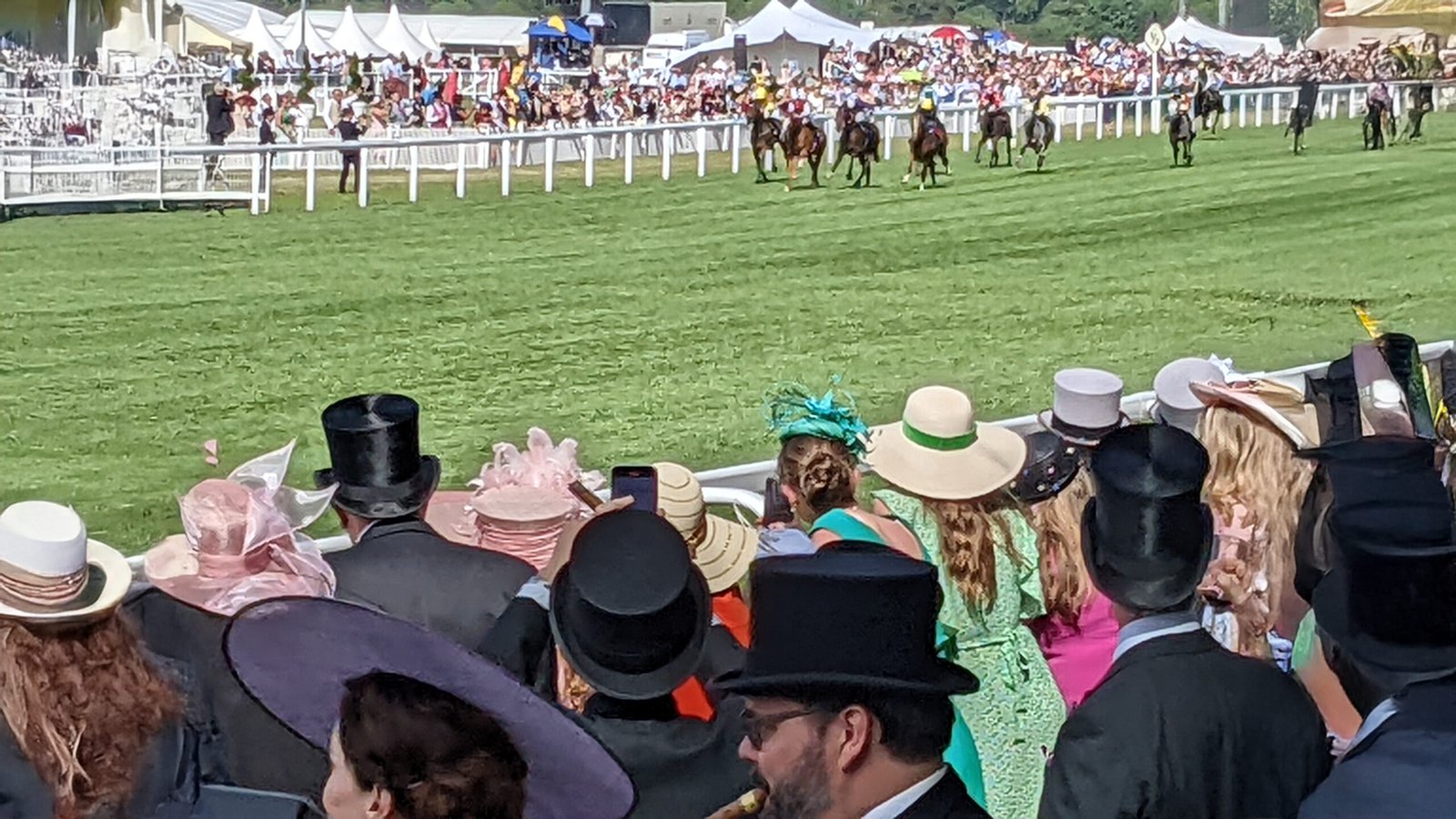
Parliamentary whips sound as if they belong in a dusty constitutional footnote, or perhaps in a Victorian melodrama involving wigs, corridors and someone whispering darkly behind a curtain. But the name itself comes from somewhere much less parliamentary: fox hunting.
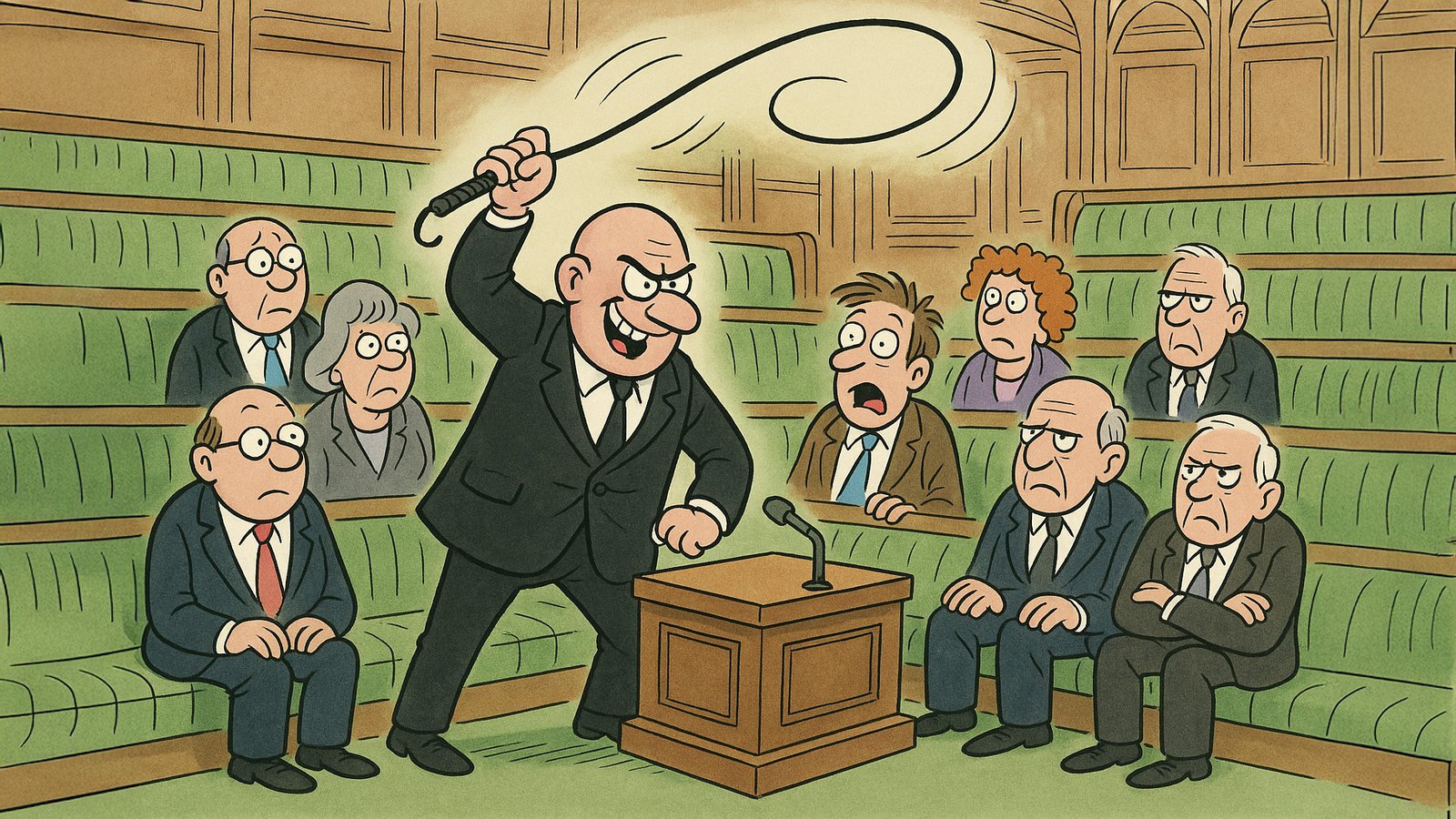
In a hunt, the whipper-in helped keep the hounds together. The job was not glamorous. It involved stopping wayward dogs from straying from the pack, chasing the wrong scent or disappearing into the countryside with more enthusiasm than judgement. Politics, being politics, found the metaphor irresistible. MPs, too, had a habit of wandering off, missing crucial moments or developing sudden doubts just when party leaders needed them most. Someone had to keep the pack together.
That is where the parliamentary whip comes in. A whip is not simply someone who tells MPs how to vote. In Westminster, whips are party organisers, vote-counters, negotiators, mood-readers and occasional political fire extinguishers. Their job is to make sure their party’s business gets through Parliament, their MPs turn up when needed, and rebellions do not arrive as a nasty surprise halfway through the evening news.
The role grew out of a simple political problem: numbers matter. In the early history of Parliament, political parties were looser, messier and far less disciplined than they are today. MPs often acted as local grandees, patrons’ men, factional allies or independent operators rather than obedient members of a modern party machine. But as parliamentary politics became more organised, leaders needed to know who was with them, who was doubtful and who had quietly vanished to dinner.
Before long, parties required people whose job was to manage attendance and loyalty. They needed someone to count likely votes, pass messages, identify grumbling backbenchers and prevent embarrassing defeats. The whip became that person: part organiser, part confidant, part warning system.
The famous three-line whip is the most dramatic version of this system. The term refers to a written instruction from party managers telling MPs that a vote is especially important. Traditionally, the instruction could be underlined once, twice or three times, depending on its seriousness. A three-line whip means the party expects its MPs to attend and vote the way the leadership instructs. Defying it is not a casual act of independence. It can bring serious consequences, including loss of favour, loss of promotion prospects or even suspension from the parliamentary party.
That is why whips matter so much in the House of Commons. A government does not survive on speeches alone. It survives on votes. A prime minister may dominate the headlines, but if enough MPs refuse to walk through the right division lobby, the finest speech in the world will not save the legislation. Whips are there to make sure the grand theatre of politics is backed by arithmetic.
Their work is often less brutal than the name suggests. Good whips do not simply threaten people. They listen. They discover why an MP is unhappy. They know who wants a meeting with a minister, who is worried about a constituency issue, who feels ignored, who is genuinely opposed on principle and who merely wants to be noticed. The job depends on relationships. A whip who only bullies soon runs out of goodwill. A whip who only sympathises soon loses control.
This is why the Whips’ Office has always attracted a certain mythology. People imagine secret files, corridor deals and whispered threats in dimly lit rooms. Some of that reputation is theatre. Some of it is political folklore. But the mystique exists because whips operate in the space between public loyalty and private irritation. They see the party as it really is: ambitious, anxious, divided, disciplined, resentful and dependent on numbers.
The House of Lords has its own whips, although the job works differently there. The Lords is not elected in the same way as the Commons, and party discipline has traditionally been less rigid. Peers cannot be threatened with losing their seats at the next general election. That changes the tone. Lords whips still organise business, manage speakers, encourage attendance and help guide legislation through the chamber, but the atmosphere is often more about persuasion and choreography than command.
Modern technology has changed the tools, but not the basic job. Emails, text messages and WhatsApp groups have replaced some of the older paper systems and corridor chasing. Yet the essentials remain stubbornly familiar. Whips still count votes. They still interpret mood. They still warn leaders when the backbenches are restless. They still try to stop a minor irritation becoming a rebellion.
That is also why calls to abolish the whip system are more complicated than they sound. The idea of MPs voting freely on every issue has an obvious romantic appeal. It suggests conscience, independence and a Parliament liberated from party machinery. But parliamentary government depends on being able to pass budgets, laws and confidence votes. Without some form of party discipline, government would become far less predictable and probably far more chaotic.
None of this means whips are universally loved. To critics, the system can look like pressure dressed up as organisation. It can make MPs appear more loyal to party leadership than to voters or personal conviction. At its worst, whipping can feel like a way of punishing independence. At its best, it is the mechanism that allows an elected government to turn promises into legislation.
That tension is what makes the whip so interesting. The role sits at the awkward centre of parliamentary democracy. Voters elect individual MPs, but governments function through parties. MPs have consciences, constituencies and careers. Leaders have programmes to deliver. Whips exist because all of those things collide.
You rarely notice them when politics is running smoothly. Their work is hidden in attendance lists, quiet conversations and late-night calculations. You notice them when something breaks: a rebellion, a lost vote, a resignation, a government suddenly discovering that its majority is less obedient than it looked on paper.
So yes, the word began with foxhounds. But its survival says something deeper about politics. Parliament may be full of speeches, ideals and grand constitutional language, but it also depends on the unromantic business of getting people into the right room at the right time. In hunting, the whipper-in kept the pack from scattering across the fields. In Westminster, the whip performs a similar task with MPs.
The hounds have changed. The problem has not.