Winchester Geese: Brothels, Bishops and the Wild Side of the Thames
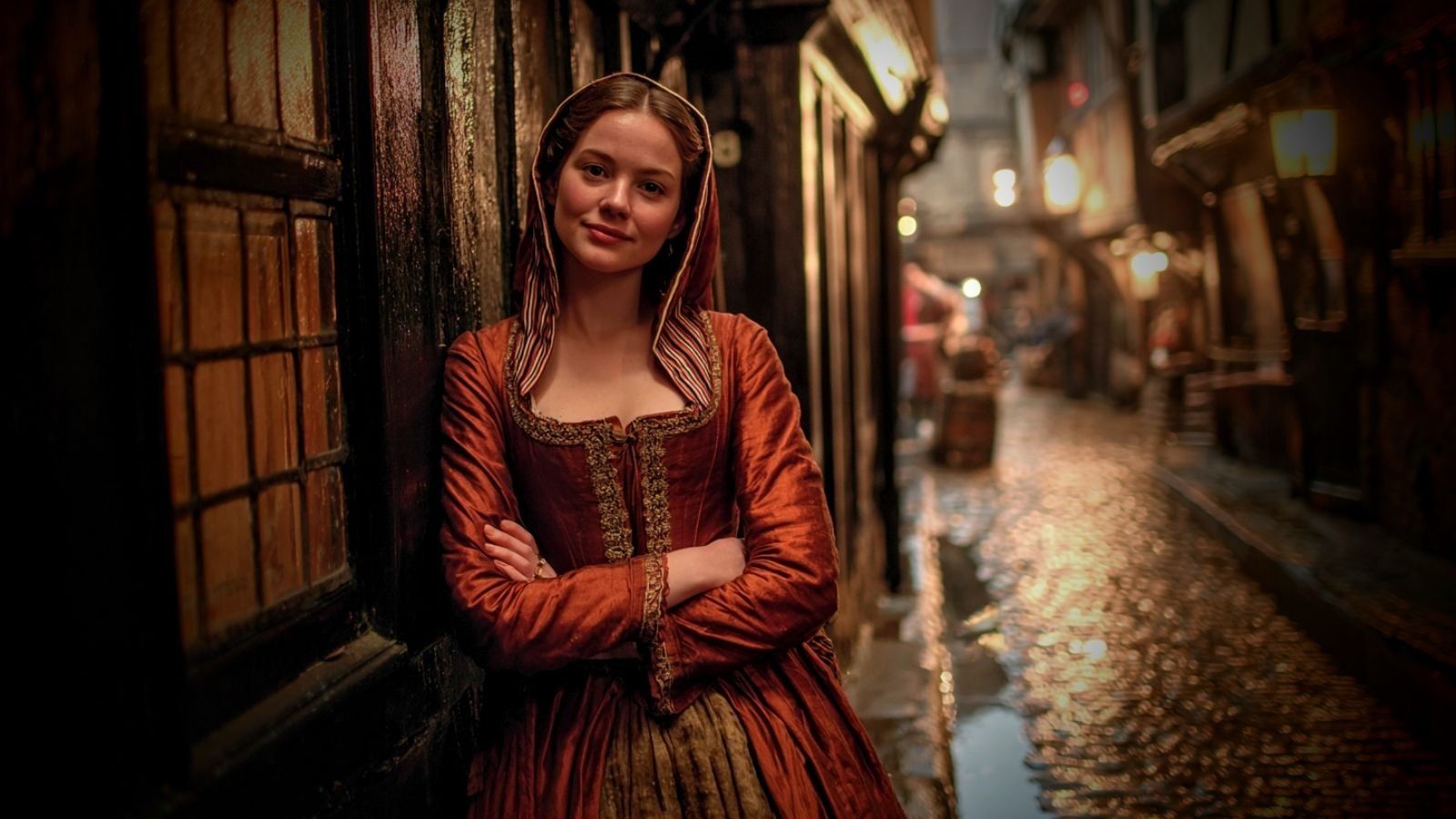
Winchester geese wandered through medieval Southwark with the kind of notoriety that would make a modern PR team faint. Their world sprawled between taverns, brothels, theatres and the riverbank, where the Thames pretended to look respectable while ferrying tipsy customers back and forth. Crucially, Southwark never apologised for any of this. Instead, the place thrived precisely because the City of London hated noise, vice and unregulated fun, so everything the City banned sprouted merrily on the south bank.
At the heart of this arrangement sat the Liberty of the Clink, a pocket of land that answered not to the Mayor or the Sheriff but to the Bishop of Winchester. On paper, the Church described this as tidy administration. In practice, everyone understood what was really happening. The bishop ran the neighbourhood like a landlord with a flexible view of morality and a rigid view of rent. Consequently, brothels lined the streets and, because they fell under ecclesiastical authority, they enjoyed protection from the puritanical fuss across the river. Fees, taxes and fines flowed steadily, while official faces maintained the expression of men who had no idea why their property generated such reliable income.
Naturally, visitors arrived for every reason imaginable. Some sought excitement, others anonymity, and a few came because rumours suggested Shakespeare’s actors drank nearby. Meanwhile, the local brothels, known as stews, operated through a mixture of regulation and cheerful improvisation. The women who worked there, called the Winchester geese, carried reputations that were both scandalous and oddly mythical. Although they followed rules, those rules shifted with political mood and public gossip. On holy days, doors closed. On feast days, business boomed. No one pretended these rhythms were moral. They were, quite simply, economic.
Clothing played a large part in shaping the geese’s identity. They wore what their budgets allowed, plus whatever might catch a client’s attention from across a dimly lit street. For that reason, authorities banned aprons, since aprons suggested respectable households and clerks refused even the illusion of propriety. From time to time, striped hoods appeared as an attempt to label the women so clearly that even drunken noblemen could not claim ignorance. Meanwhile, bright colours, decorative trims and improvised accessories helped them stand out in the jostle of Southwark nights. Unsurprisingly, the City of London bristled whenever one of these women dared to look more fashionable than the wives of aldermen.
Life moved quickly for the geese. The neighbourhood offered opportunity, danger and relentless noise in equal measure. Songs spilled from taverns, while ferryboats bumped against the banks with a clatter that announced business was still brisk. As a result, the brothels saw men from every social class. Actors, sailors, students, merchants, knights and the occasional clergyman found their way to the Liberty, each insisting he visited only out of curiosity or spiritual concern. Over time, the geese developed a sharp instinct for reading a man’s fortunes the moment he crossed the threshold. Some paid generously. Others negotiated creatively. A few fled before anyone learned their names. The geese rarely bothered with names anyway. Coins spoke clearly enough.
Stories flourished alongside trade. Southwark acquired a reputation as half carnival, half cautionary tale. One story told of a goose who allegedly lectured a visiting scholar on church hypocrisy so persuasively that he offered her a place at his college. Another described a brothel cat that guarded the door more efficiently than any watchman. Yet another involved a bishop’s official who visited the stews nightly under the pretext of inspection. The women, for their part, laughed and nicknamed him “The Most Pious Customer in England”. None of these tales can be verified, which only improves them.
Alongside humour came risk. Health problems followed the trade closely, and effective treatment rarely arrived in time. Medieval slang even produced a memorable phrase for venereal infection: to be “bitten by a Winchester goose”. Inevitably, the expression spread across London with the persistence of a rumour no one wished to explain politely. Some men claimed it with bravado. Others denied it with impressive determination. Apothecaries sold cures of doubtful value, and many customers learned more about herbs than they ever wanted.
Beyond the taverns lay Cross Bones, a burial ground with a history both bleak and stubborn. Because consecrated ground was denied to the geese, this space became their final refuge, alongside paupers, children and other social outcasts. Centuries later, archaeological work uncovered layers of forgotten London life: bones marked by poverty, disease and endurance. Today, Cross Bones exists as a memorial garden where ribbons flutter on iron gates and people gather to honour those buried without recognition. In this way, poetry, candles and communal memory blend together, as if the past refuses to remain silent.
Theatres stood nearby, so Shakespeare hovered at the edges of this world. Actors drank alongside the geese, sharing space if not status. Some scholars argue that the playwright absorbed much of his understanding of human behaviour simply by overhearing Southwark conversations. Whether true or not, the area certainly overflowed with characters ready for tragedy or comedy. The geese themselves embodied contradiction: vulnerability paired with cunning, glamour tangled with hardship, opportunity inseparable from exploitation.
Unsurprisingly, controversy followed the Church’s role. The bishop collected revenue from brothels while preaching virtue, an arrangement that attracted steady criticism. Reformers pointed to the Liberty as proof that moral authority weakened when profit entered the room. Londoners joked that the bishop kept his hands clean only by ensuring others did the dirty work. Even so, the stews continued. Closing them required political will that never quite materialised until much later.
When the Liberty finally lost its privilege and the brothels closed, the Winchester geese vanished from daily life but not from memory. Their name lived on in jokes, warnings and ghost stories. Each generation reinvented them according to its anxieties: symbols of sin, victims of exploitation, icons of rebellious femininity or reminders that cities always hide contradictions near the river.
Modern Southwark bears little resemblance to the neighbourhood the geese knew. Galleries stand where brothels once bustled, and glass offices shine where timber houses leaned together. Still, the past lingers. Cross Bones glows with ribbons and handwritten notes, while locals speak of the geese with a respect born from acknowledging discomfort rather than erasing it.
Ultimately, their story resists a single meaning. Some see women exploited by institutions that profited without protecting them. Others recognise agents of survival working within narrow options. Both readings hold truth. Southwark never specialised in purity. It specialised in reality, and the Winchester geese lived that reality every day.
Walk through the area now and layers seem to press up through the pavement. A stray gust carries imagined footsteps, laughter and arguments. A ferry horn echoes, and the river briefly sounds as it did when customers approached by boat. History folds into the present and refuses to behave.
The Winchester geese shaped a neighbourhood, a vocabulary and a legacy. Their clothes, wit, risks and resilience made Southwark notorious long before skyline cranes arrived. They remind London that its story includes not only kings, merchants and cathedrals, but also women who lived beyond respectable records. Their names vanished. Their presence did not.