Why We Crave Carbs When It’s Snowing
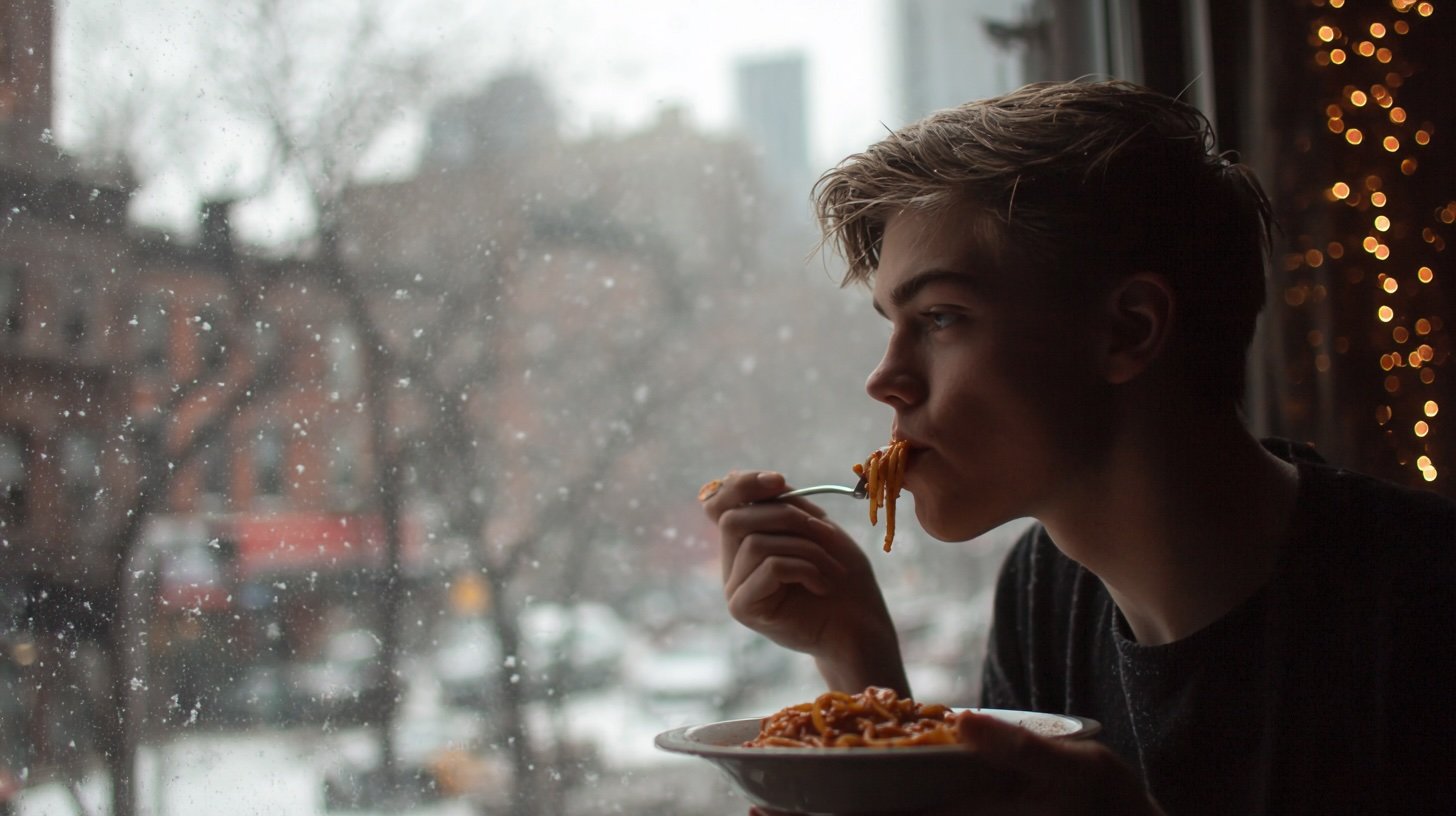
Snow falls, and suddenly the world feels like an advert for mashed potatoes. Bread looks poetic. Pasta glows with spiritual meaning. Even people who normally swear by salads start eyeing crumpets as if they contain the secrets of the universe. So why do carbs become irresistible the moment winter decides to get theatrical? The answer, as always, is part biology, part psychology, part evolutionary baggage, and part plain old habit. Our bodies think they are still living in the Pleistocene, while our minds are stuck somewhere between nostalgia and central heating.
Snowy weather stirs something ancient. Long before supermarkets and reliable boilers, cold signalled danger — energy scarcity, shorter days, and the very real chance that dinner might not arrive for months. Today we can order takeaway from the sofa, but our instincts haven’t caught up. The brain still interprets cold as a coded warning, nudging us towards energy-dense food. That instinct doesn’t whisper politely; it barges in with a tray of cinnamon buns. The snow outside might be picturesque, but the body treats it as a memo: winter equals uncertainty, better fuel up.
Energy expenditure rises when the temperature drops, even if we only spend a short time in the cold. Thermogenesis — the marvellously dramatic term for heat-making — forces the body to burn more calories to stay warm. We like to imagine ourselves calmly adapting, but inside, brown fat cells are switching into high gear, shivering muscles are preparing their performance, and metabolic processes are acting as if we’re one snowstorm away from becoming a mammoth popsicle. The result is a soft but persistent push towards fast energy. Carbs, being quick to break down and easy to store as glycogen, slot neatly into this demand.
But it isn’t just the biology of burning fuel that does the work. Snow also changes the mood of the day. The world slows, the light dims, and the rhythm of daily life feels heavier. The brain responds to reduced daylight with hormonal adjustments; serotonin production dips, melatonin rises, and suddenly the idea of a warm, doughy hug in food form becomes very attractive. Comfort food is well named. In winter, it becomes emotional insulation — a way to feel warm where radiators can’t reach.
The odd thing is that cravings don’t require actual cold. Recent research shows that even imagery of winter can nudge people towards higher-calorie choices. A photograph of a snowy forest, a bare tree, a frosty street — all of these activate the brain’s quiet expectation that harsher conditions lie ahead. It’s absurd, really. We see a picture of snow on a screen glowing at 22°C and instantly want a pastry. But the brain operates on symbolism as much as reality. Winter imagery whispers about scarcity, and our appetite listens.
There’s also the simple behavioural fact that snow turns us into housebound hobbits. People go out less, move less, and interact more with their kitchens. Boredom and warmth create a peculiar alliance: the kettle boils, the oven looks inviting, and suddenly that half-forgotten bag of pasta becomes destiny. Winter festivities don’t help either. Cultural calendars cluster indulgence around cold months — puddings, roasts, stews, baked goods, mulled drinks. Even our collective sense of celebration seems tethered to carb-heavy traditions.
Evolution adds another layer of logic. For countless generations, surviving winter meant storing energy and increasing fat reserves before food became scarce. Many animals still follow this seasonal script — eat more as temperatures drop, conserve energy, grow a protective cushion. Humans once operated under the same rules. Even though modern life no longer requires a metabolic winter coat, the instinct lingers like a software patch nobody removed. Snow acts as a trigger, and the ancient programme boots up: seek warmth, seek calories, seek starchy joy.
The brain plays its own part with impressive theatrical flair. In mammals, cold activates specific neural circuits dedicated to food-seeking behaviour. These aren’t polite suggestions; they are survival mechanisms. When cold hits, the brain interprets the increase in energy expenditure as a budget deficit. To fix it, it flips on the circuit that tells us to eat. It doesn’t care that we’re wearing insulated jackets and sipping lattes. From its perspective, cold equals potential starvation, so best grab a bowl of something comforting before famine kicks in.
That circuitry explains why cravings feel so urgent during snow. They sit in the strange middle zone where instinct, biology and memory intersect. The bowl of pasta isn’t just carbs — it’s reassurance. It’s energy security. It’s the mammalian brain patting us on the shoulder and saying, in its wordless way, that we’ll survive the storm.
Snowfall also disrupts our circadian rhythms. Short days and diffused light change how the body uses and stores energy. Appetite-related hormones drift from their usual patterns, making hunger feel sharper and satiety less convincing. At the same time, warmth becomes a reward. A warm meal feels doubly valuable because it restores a sense of balance. This effect intensifies when routines crumble — snowy commutes, cancelled plans, screens glowing late into the evening — creating even more space for the kitchen to take centre stage.
Psychology threads through all of this. Snow isn’t just weather; it’s atmosphere. It wraps the world in a soft quiet, slows things down, encourages introspection. Familiar foods, especially those loaded with carbs, carry associations — childhood, family, holidays, safety. A snowy day gives these associations permission to resurface. The craving becomes a story: something warm to compensate for something cold outside.
Culture amplifies the pattern. Northern cuisines evolved around long winters and starchy staples. Even in regions where winters are mild, globalised food culture has handed out seasonal rituals like gifts. December brings pies, January brings puddings, February brings loaves and stews. Snow is the visual cue that activates these traditions, a reminder that winter is the season of heavy pots, bubbling sauces, and unapologetically hefty meals.
Yet modern living complicates everything. Central heating means our indoor temperatures barely fluctuate through the year. Supermarkets serve strawberries in winter and soups in summer. We are no longer creatures who depend on seasons for survival. But our psychology refuses to evolve at the same pace. Winter cravings make far more sense to our ancestors than to us, yet here we are, raiding the pantry at the first sign of a weather warning.
One curious detail: comfort food cravings aren’t uniform. Some people feel them intensely; others sail through winter without a single carb-fuelled fantasy. Individual differences in metabolism, mood, hormonal fluctuations and personal associations shape the experience. For those who grew up with winter feasts, cravings trigger nostalgia. For those who associate winter with scarcity or stress, cravings may feel like a safety mechanism. The snow outside becomes the stage for whatever drama food already plays in one’s life.
Despite the evolutionary echoes and hormonal nudges, winter cravings aren’t fate. Cold doesn’t force us to seek carbs; it merely tilts the scales. Many people find that light, nourishing meals feel just as good in winter if paired with behavioural cues — warm spices, cosy lighting, steaming broths. The lure of carbs isn’t the problem; it’s the assumption that cravings always require surrender. In truth, cravings are information, not orders. They reveal how the body and mind negotiate the season.
Perhaps that’s why snow and comfort food pair so well. Snow transforms the outside world into a cold, fragile landscape. Carbs transform the inside world into something warm and solid. The contrast delights us. It flatters our sense of safety. It reminds us that we’re warm, fed and alive while the weather stages its icy drama outside.
Craving carbs in the snow is not a flaw or a lack of discipline. It is a beautifully inefficient remnant of who we used to be. A behavioural fossil, a metabolic echo, a cultural reflex. When snowflakes fall and pasta calls, it’s simply your biology and biography having a cosy chat.
And honestly — who are we to interrupt them?