Why Medieval People Slept Twice a Night: The Forgotten Habit of Biphasic Sleep
The night used to come in layers. In a medieval village, dusk did not merely dim the sky; instead, it rearranged the rules of existence. Smoke thickened above thatched roofs, animals settled, doors closed, and the world shrank to the glow of a hearth. Because candles cost money and oil smoked heavily, darkness held authority. So people ate, talked, prayed, and drifted towards bed not because productivity gurus told them to optimise their REM cycles, but because little else remained once the sun withdrew its services.
They slept. Then they woke. After that, they slept again. To modern ears trained to worship the uninterrupted eight-hour block, that rhythm sounds eccentric. Yet for centuries across Europe, parts of the Middle East, Africa, and colonial America, two sleeps structured the night as reliably as church bells structured the day. People referred casually to “first sleep” and “second sleep” in letters, court records, medical manuals and poems. Because everyone understood the pattern, nobody bothered to define the terms.
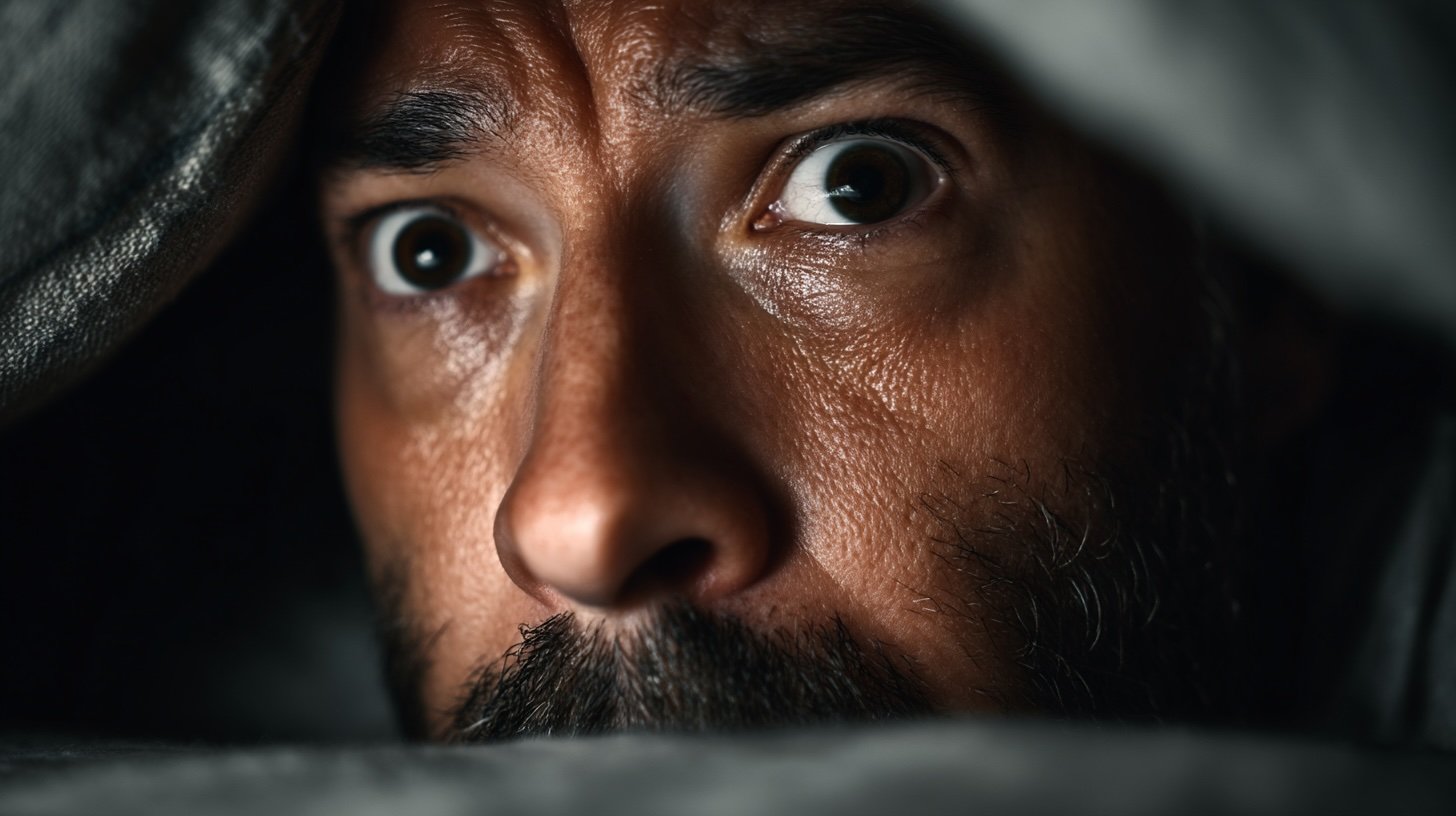
Picture sliding into straw-stuffed bedding around nine in the evening. The room smells faintly of smoke and wool, while embers pulse softly in the hearth. Soon the first sleep arrives, heavy as a woollen cloak. Three or four hours later, eyes open. No alarm rings, and no cortisol spike demands answers. Instead, the body rises into a gentle state of wakefulness.
This was not insomnia. Rather, it was the interval. Between the first and second sleep lay a stretch of quiet consciousness that might last an hour, sometimes two. During that time, people prayed, reflected, whispered to spouses, checked on animals, or added a log to the fire. If they could afford the luxury, they read by candlelight. Otherwise, they simply lay still and listened to the peculiar silence that only pre-industrial darkness can produce.
Modern cities rarely experience true night. Instead, sodium lamps, LED signage and glowing windows flatten darkness into a decorative backdrop. Medieval darkness, however, carried weight. It pressed against walls, creaked in timber beams, and wrapped fields in velvet silence. Within that depth, waking did not feel like a malfunction; rather, it felt like part of the script.
In the 1990s, historian Roger Ekirch uncovered hundreds of references to this biphasic pattern while combing through early modern documents. Witnesses in legal cases described events that occurred “after my first sleep”. Diaries mentioned conversations held between sleeps. Medical writers offered advice on activities best suited to the interval. Because the language appears so casually, it becomes almost invisible, and that invisibility reveals how normal the practice once was.
What did people actually do in those midnight hours? The answer depended on class, climate and temperament. In religious households, prayer often filled the space. Medieval spirituality encouraged night devotion; consequently, the quiet suited confession and contemplation. Monks structured entire liturgical routines around nocturnal waking, rising for matins before returning to rest. Night therefore belonged to reflection more than anxiety.
In rural cottages, couples sometimes talked in whispers while children slept nearby. The day’s labour rarely allowed extended conversation; however, the watch created an intimate pocket of time free from daylight obligations. Some early texts even suggested that intimacy flourished most naturally during this middle period, when bodies had rested yet dawn still lay distant.
Elsewhere, neighbours visited. In small communities, social boundaries softened after dark, and a faint knock on a door between sleeps did not automatically signal catastrophe. Instead, it might mean shared gossip, assistance with a birth, or news from a traveller who arrived late. As a result, the night often felt communal rather than isolating.
Season also played a role. Northern winters stretched darkness to generous lengths, sometimes fourteen or fifteen hours, and two sleeps made practical sense when night outlasted any reasonable expectation of unconsciousness. In summer, by contrast, twilight lingered and the interval shrank. Patterns adapted fluidly to latitude and weather without anyone drafting a lifestyle manifesto about it.
Gradually, something shifted. Artificial light brightened at first in small increments. Candles improved, oil lamps multiplied, and by the eighteenth century gas lamps illuminated city streets. Eventually electricity transformed night into an extension of day. Factories demanded punctuality, while clocks enforced discipline with growing rigidity. Evening ceased to signal withdrawal; instead, it signalled opportunity.
People stayed up later, and they worked, socialised, read and manufactured goods deep into hours once reserved for darkness. As bedtime drifted forward while wake-up times remained tethered to labour schedules, the generous medieval night compressed. The first sleep no longer began at nine; it might start at midnight. Under those conditions, a natural waking at three in the morning proved inconvenient.
Medical thinking soon followed cultural pressure. Doctors began to categorise mid-night waking as insomnia, a symptom to correct rather than a rhythm to accept. Consequently, the language of “first sleep” and “second sleep” faded. By the late nineteenth century, references dwindled, and within a few generations a practice that had shaped centuries of nights appeared quaint or pathological.
Modern sleep science complicates the story further. In the 1990s, psychiatrist Thomas Wehr conducted experiments in which volunteers lived with extended darkness for several weeks. Without artificial light, many participants developed two distinct sleep segments separated by a calm waking interval. Hormone measurements suggested that this watch resembled a meditative state rather than agitation. In other words, the body seemed to rediscover an old rhythm once evening stretched long enough.
Melatonin sits quietly at the centre of this shift. The brain releases this hormone in response to darkness, and it signals that night has properly begun. In a pre-industrial world, darkness lasted longer and ran deeper, so melatonin rose earlier and stayed elevated for more hours. Under those conditions, the body could slide into an initial deep sleep, surface into a calm interval without stress, and then descend again into a second sleep before dawn. By contrast, artificial light suppresses melatonin production. Even moderate indoor lighting shortens the hormonal night, while screens blunt it further. As a result, modern evenings compress the biological window for rest and make any mid-night waking feel intrusive rather than natural.
Of course, that does not mean everyone should abandon consolidated sleep and host candlelit salons at two in the morning. Industrial society runs on synchronised schedules, and school gates open at fixed times regardless of nostalgia. Trains depart with bureaucratic indifference to medieval habits. Therefore, imposing a segmented night onto a rigid nine-to-five structure might create more stress than serenity.
Still, understanding that biphasic sleep once thrived as a norm alters how we interpret our own midnight awakenings. Waking briefly does not automatically signal failure; instead, it may reflect a body negotiating light exposure, stress, or inherited rhythms that predate electricity.
The myth that medieval life moved in blissful harmony with nature deserves scrutiny. Nights could feel dangerous, crime occurred, and fear existed. Yet the structure of sleep hinged less on terror and more on environment. Because darkness lasted longer and work followed daylight, social expectations accommodated pause.
Another misconception paints biphasic sleep as a universal, perfectly timed schedule. In reality, variability ruled. Wealthier households with ample candles extended their evenings, while urban dwellers differed from rural farmers. Southern Europe diverged from Scandinavia. Nevertheless, the broad concept of two sleeps appears widely enough across sources to suggest cultural familiarity rather than fringe eccentricity.
Interestingly, fragments of segmented rhythm survive today. Mediterranean siestas divide rest across day and night, and some West African communities maintain flexible nocturnal patterns. Even in Britain, many people report a natural waking around three or four in the morning when stress does not intrude. Instead of interpreting that moment as catastrophic, earlier generations might have turned over, whispered a prayer, and waited for drowsiness to return.
Modern bedrooms, however, rarely invite such patience. Smartphones glow temptingly, emails lurk, and sleep-tracking apps assign performance scores that turn rest into competition. When the screen lights up at 3:17 a.m., the medieval watch mutates into digital vigilance. Rather than embracing the interval, we interrogate it.
Perhaps the most striking difference lies not in physiology but in attitude. Medieval culture did not demand continuous unconsciousness as proof of health. Instead, night contained texture and movement, and it permitted waking without moral judgement. By contrast, contemporary narratives frame eight uninterrupted hours as the gold standard, even though many bodies fluctuate naturally.
Nostalgia alone, however, will not restore biphasic living. The world hums through the night with traffic, refrigeration, data centres and late flights. Light pollution smudges the stars above even small towns. Work expectations blur into evenings through laptops and international calls. Under these conditions, consolidated sleep often serves practical necessity.
Nevertheless, perspective offers relief. When someone wakes calmly at three in the morning and feels neither panic nor exhaustion, they need not assume dysfunction. Instead, they might read a few pages, breathe slowly, or simply lie quietly until the second sleep arrives. That gentle approach aligns more closely with centuries of precedent than frantic clock-watching ever could.
Chronic insomnia accompanied by distress and fatigue deserves professional care. History does not replace medicine; rather, it contextualises it. Because sleep patterns evolve alongside technology and labour demands, what feels abnormal within one century may have felt ordinary in another.
Ultimately, the story of biphasic sleep reveals how deeply culture shapes biology. Light alters hormones, work alters bedtime, and language alters perception. When society redefined night as a single block to optimise, the body adjusted reluctantly. By contrast, the medieval night unfolded slowly, like a long conversation with pauses built in.
Picture once more that village cottage. The first sleep ends, and a faint wind brushes the shutters. Someone shifts under blankets while embers pulse softly. For a while, the household rests in half-wakefulness, and a prayer murmurs as a log cracks in the hearth. Outside, the sky holds its breath. Then gradually, almost imperceptibly, drowsiness returns, and the second sleep gathers everyone back into its quiet hold until dawn stains the horizon pale grey.
No productivity app rates the experience. No one counts minutes. Instead, they simply move with the dark.
Modern life may not grant us such expansive nights; nevertheless, remembering that humans once slept in two chapters rather than one reframes the midnight hour. Rather than viewing it as a breakdown, we can recognise it as an echo from centuries when darkness structured time differently.
The forgotten habit of biphasic sleep does not demand revival. Instead, it invites curiosity. It suggests that human rest has never obeyed a single universal script. And when the house lies silent and you find yourself briefly awake, you might be sharing a small, ancient rhythm with generations who trusted the night enough to meet it twice.