The Winter Travel Immunity Problem Nobody Notices Until It’s Too Late
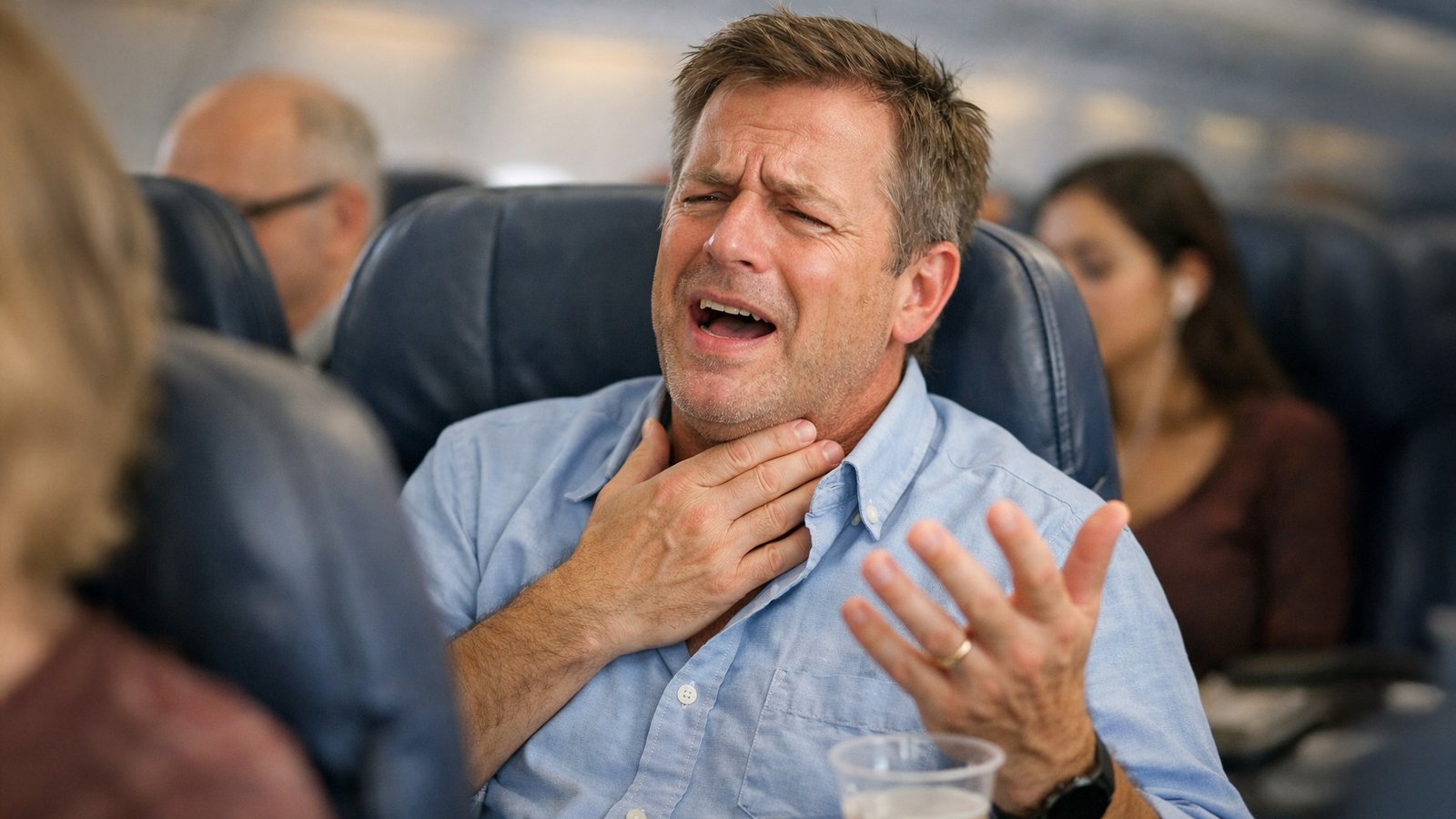
People blame winter bugs on bad luck. In reality, winter travel immunity rarely fails by chance. Airports, aircraft cabins, hotel corridors, and time zones quietly test the immune system in ways most travellers never notice. The truth feels less mystical and more architectural. Airports, aircraft cabins, hotel corridors, and time zones form a quiet obstacle course for the immune system. Travel does not introduce one dramatic threat. It stacks small disadvantages until the body struggles to keep up.
It often starts before departure. Winter mornings already run on reduced daylight, which nudges sleep later and compresses rest. Packing, early alarms, and the mental noise of travel shave off another hour. That single lost hour rarely feels dramatic, yet immune cells notice immediately. Antibody production and frontline immune responses rely on predictable sleep timing. Disturb that rhythm and defences drop faster than most people expect.
Airports look clean, efficient, and controlled. They are none of those things from a biological point of view. Heated terminal air strips moisture from nasal passages, eyes, and throat. That moisture normally traps viruses and sweeps them out. Without it, pathogens travel deeper before the body reacts. Add thousands of travellers, many carrying mild infections, and exposure becomes routine rather than exceptional. The problem is not proximity alone. It is proximity combined with dry air and tired bodies.
Security queues quietly add stress. Stress hormones such as cortisol surge during uncertainty and crowding. Short bursts cause no harm. Prolonged elevation suppresses immune signalling. By the time boarding begins, many travellers already run on heightened alertness rather than balance. Winter coats come off, temperatures fluctuate, and dehydration starts early.
Aircraft cabins push the situation further. Pressurised air at altitude contains very little humidity. Over several hours, even disciplined water drinkers lose fluid through breath and skin. Coffee and alcohol make the cabin feel civilised while accelerating dehydration. Lips crack, eyes itch, and nasal linings thin. These are not cosmetic inconveniences. They mark reduced barrier function exactly where airborne viruses enter.
Long-haul flights also compress movement. Muscles sit idle, lymphatic circulation slows, and immune cells travel less efficiently through tissues. Walking the aisle helps, yet many passengers remain seated for hours, half-asleep and slightly dehydrated. The immune system prefers gentle regular motion. Winter travel rarely provides it.
Jet lag adds a deeper layer. Immune activity follows circadian timing. Certain immune cells peak at night, others during the day. Crossing time zones scrambles that schedule. Sleep becomes shallow, meals shift, and light exposure arrives at odd hours. Research repeatedly shows reduced natural killer cell activity after circadian disruption. These cells matter during the first hours of viral exposure, when the body decides whether an infection stays trivial or gains momentum.
Short trips can be worse than long ones. There is just enough disruption to weaken defences without time to adapt. Weekend city breaks, overnight business trips, and rapid return flights create repeated immune shocks. The body never settles into the new rhythm before switching back.
Hotels complete the picture. Heated rooms dry the air overnight, precisely when immune repair should peak. Many travellers wake with a dry throat and mild headache, early signs of dehydration. Bedding feels unfamiliar, sounds travel through corridors, and sleep fragments. Breakfast rooms bring together dozens of guests from different flights, all breathing recycled air while immune defences run below baseline.
Cold weather plays a supporting role rather than starring. Chilly air constricts blood vessels in the nose, limiting immune cell delivery to entry points. This does not cause illness on its own, yet it lowers resistance when viruses appear. Moving between overheated interiors and freezing streets adds another layer of physiological adjustment.
Diet shifts matter too. Travel meals skew salty, sugary, and irregular. Fibre intake drops. Gut bacteria, closely tied to immune regulation, respond within days. Even short disruptions alter inflammatory signalling. The effect remains subtle but cumulative, especially during winter when fresh produce intake already falls.
What confuses travellers most is timing. Symptoms often appear after returning home. The flight back feels harmless. In reality, exposure happened days earlier. The immune system fought quietly until reserves ran thin. Once normal routines resume, the body relaxes enough for symptoms to surface. It feels like bad luck rather than delayed cause and effect.
Preventive strategies work best when they sound dull. Hydration begins before travel, not on the plane. Plain water outperforms supplements. Sleep matters more than sightseeing density. Choosing one less dinner and one more early night often protects the rest of the trip. Gentle movement keeps immune circulation active. Daylight exposure anchors circadian rhythms faster than melatonin experiments.
Humidifying hotel rooms helps more than most people realise. Even a damp towel near a heat source raises overnight humidity slightly. Nasal saline sprays restore moisture directly where it counts. These small adjustments reduce the cumulative strain rather than chasing viruses directly.
Winter travel itself is not the enemy. The modern travel environment simply stacks stressors at the wrong time of year. Understanding the sequence changes the experience. Trips feel less like immune roulette and more like manageable biological negotiations. The goal shifts from avoiding every germ to keeping defences steady enough that exposure remains uneventful.
People rarely remember the journeys where nothing went wrong. They remember the cough that followed. That cough tells a story of dry air, lost sleep, disrupted clocks, and quiet dehydration. Once you see the pattern, winter travel stops feeling hostile. It just asks for a little respect for how the immune system prefers to operate.