Sisu: The Finnish Art of Not Giving Up
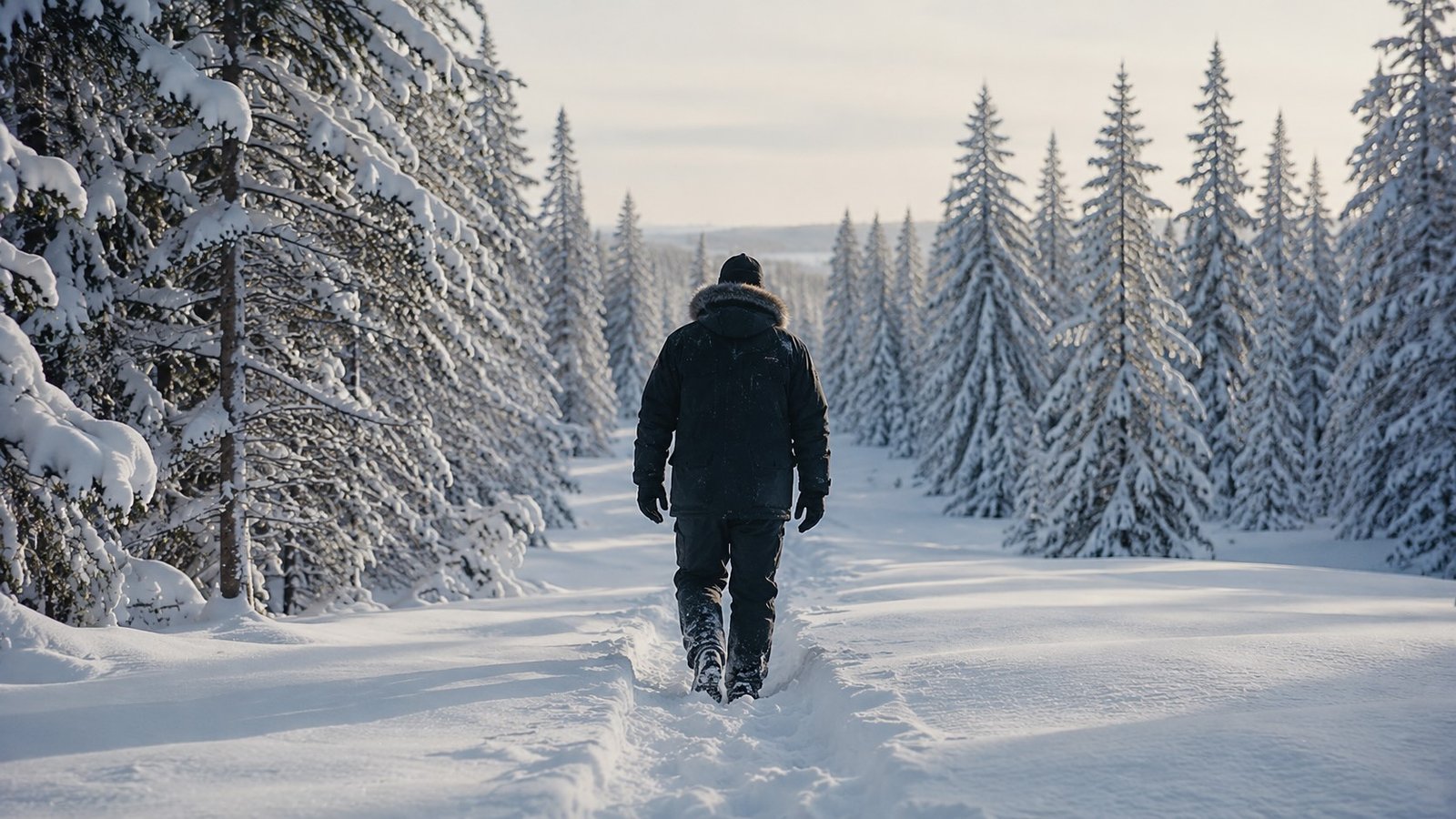
There are words that travel badly. They leave their home language looking noble and mysterious, then arrive in English wearing a wool jumper, holding a mug of herbal tea, and promising to change your life by Tuesday. Sisu is one of those words. People often describe it as Finnish grit, inner strength, resilience, courage or stubborn determination, and all of those translations are partly right. They also miss the slightly mad, clenched-jaw, snow-in-your-boots quality that makes sisu so interesting in the first place.
Sisu is not just perseverance. Perseverance is what you use when you keep studying, keep training, keep building a business, or keep trying to assemble flat-pack furniture without accusing the instruction manual of psychological warfare. Sisu appears later, after ordinary willpower has quietly packed a bag and left. It is the force people talk about when the situation has become too cold, too difficult, too humiliating, too painful, or too absurd, and yet someone still says, “Right, let’s continue.”
That is why the word has become so closely linked with Finland. A country of long winters, dark months, forests, lakes, hard history and practical people could hardly choose “sparkle” as its national emotional operating system. Finland did not build its image around loud optimism. It built it around endurance, understatement and the ability to carry on without making a dramatic speech first. In that sense, sisu feels deeply Finnish: quiet, compact, unsentimental and slightly suspicious of unnecessary adjectives.
The word itself comes with a sense of interior strength. It points towards the “inside” of a person: guts, core, substance, the bit that remains when comfort disappears. That already tells us something important. Sisu is not mainly about looking brave. It does not need applause, hashtags, motivational wall art or a LinkedIn post featuring a mountain and the phrase “mindset shift”. In its purest form, sisu is private. You do the thing because the thing needs doing. Then, ideally, you go home, drink coffee, and avoid discussing your feelings for several years.
Like many national ideas, sisu grew larger through stories. One famous sporting moment came at the 1912 Stockholm Olympics, when Finnish runner Hannes Kolehmainen became a symbol of Finnish toughness and athletic pride. He did not merely win races; he helped create a mood. Finland was still shaping its national identity, and here was an athlete who seemed to embody discipline, speed and quiet defiance. The story became useful because nations love turning sweaty human beings into metaphors.
Then came the Winter War of 1939–40, and sisu stopped being just a charming cultural word. When Finland resisted the Soviet Union against overwhelming odds, the world saw a small country fighting in impossible conditions with extraordinary determination. The image stuck: snow-covered soldiers, brutal cold, improvised tactics, and a nation refusing to fold. From that point, sisu became more than a personality trait. It became a national legend.
Of course, national legends are like strong alcohol: useful in small doses, dangerous when swallowed without thought. The Winter War story gave sisu heroic weight, but it also made the concept easy to romanticise. Suddenly, sisu could look like a magical Finnish superpower, as if people in Finland received a secret endurance upgrade at birth, perhaps somewhere between their first sauna and their first awkward silence. That makes for good branding, but poor reality. Finns are human. They get tired, discouraged, anxious and fed up like everyone else. They just happen to have a particularly elegant word for the moment when giving up feels tempting but not acceptable.
Modern psychology has tried to rescue sisu from tourist-board mythology. Researchers have looked at it as a form of extreme perseverance or embodied fortitude: the capacity to act under pressure when normal resources seem exhausted. That angle makes sisu much more interesting. It becomes not a national souvenir, but a human capacity that Finland named unusually well. Everyone has seen some version of it. A parent caring for a sick child through sleepless weeks. A founder keeping a business alive after the spreadsheet has started making threats. A refugee starting again in a country where even the forms seem hostile. A student continuing after failure. A patient recovering slowly, painfully, without cinematic music.
Yet the best part of the sisu story is also the part that ruins the wellness-poster version. Sisu has a dark side. The same force that helps a person survive hardship can also persuade them to ignore pain, refuse help, stay in a damaging situation, or treat rest as moral failure. That is where sisu becomes less heroic and more complicated.
Helpful sisu says, “This is difficult, but I can take one more step.” Harmful sisu says, “This is destroying me, but stopping would mean weakness.” The difference matters enormously. One builds courage. The other builds burnout and calls it character.
You can see this problem everywhere now. Modern professional life adores the language of resilience. We tell people to be gritty, adaptable, relentless, antifragile, high-performing and mentally tough. This sounds impressive until you notice that some workplaces use resilience as a polite way of saying, “Please tolerate chaos without asking for better management.” In that environment, sisu can become dangerous if people misunderstand it. It should not mean enduring stupidity forever. It should not mean answering emails at midnight because your calendar has become a hostage situation. It should not mean pretending you are fine when your nervous system has started waving a white flag.
In Finland itself, sisu does not always carry the glossy international meaning that outsiders attach to it. Some Finns seem amused by how much foreigners love the word. Abroad, it gets packaged with saunas, cold-water swimming, forest walks and Nordic happiness. Suddenly sisu becomes another lifestyle secret, sitting on the same shelf as hygge, lagom and other words that publishers discovered could sell books to tired urban professionals. There is nothing wrong with being inspired by another culture, but the packaging can become silly. Buy a candle, take a cold shower, eat rye bread, and somehow you too can become emotionally indestructible. If only human life were that conveniently Scandinavian.
The commercial world has also enjoyed the word. Sisu appears in brand names, from trucks to sweets, because it carries a useful promise: toughness, reliability, national character, and the ability to keep going when lesser products have collapsed in shame. Calling a truck Sisu makes sense. Calling a soft fruit yoghurt Sisu would be more ambitious, but someone has probably considered it.
The myth says sisu is the Finnish secret to success. The better version says sisu is the Finnish name for a universal human moment: the second wind after the second wind has failed. It is not loud courage. It is not cheerfulness. It is not blind optimism. In fact, sisu may work best when optimism has disappeared entirely. You do not need to believe everything will be wonderful. You simply decide that the next necessary action still belongs to you.
That makes sisu deeply practical. It does not ask whether you feel ready. It does not care whether the weather is nice, whether the timing is perfect, or whether your inner child has received adequate encouragement. Sisu begins with action. Small action, usually. Another step. Another attempt. Another conversation. Another morning. Another repair. Another application. Another quiet refusal to be finished.
Still, real wisdom means knowing when to stop. This is the part that heroic cultures often dislike. Sometimes strength means continuing. Sometimes strength means leaving. Sometimes the bravest act is not pushing through, but admitting that a situation has become pointless, unsafe or cruel. Sisu without judgement becomes stubbornness. Sisu without humility becomes self-harm in a thicker coat.
Perhaps that is why the word still fascinates people. It contains both beauty and danger. It celebrates the human ability to go beyond expected limits, but it also warns us not to worship suffering for its own sake. There is something wonderfully Finnish about that tension. No fireworks, no sentimental speech, no grand promise that everything happens for a reason. Just a person in difficult conditions, deciding what must be done next.
So yes, sisu means grit. It means resilience. It means guts. But it also means knowing that inner strength is not always pretty, comfortable or even sensible. Sometimes it looks noble. Sometimes it looks like someone quietly making coffee before trying again. And sometimes, if we are honest, it looks like stubbornly continuing long after common sense has opened the door, put on its boots, and gone outside to cool down.