From Krampus to Venice: Most Curious Winter Festivals in Europe
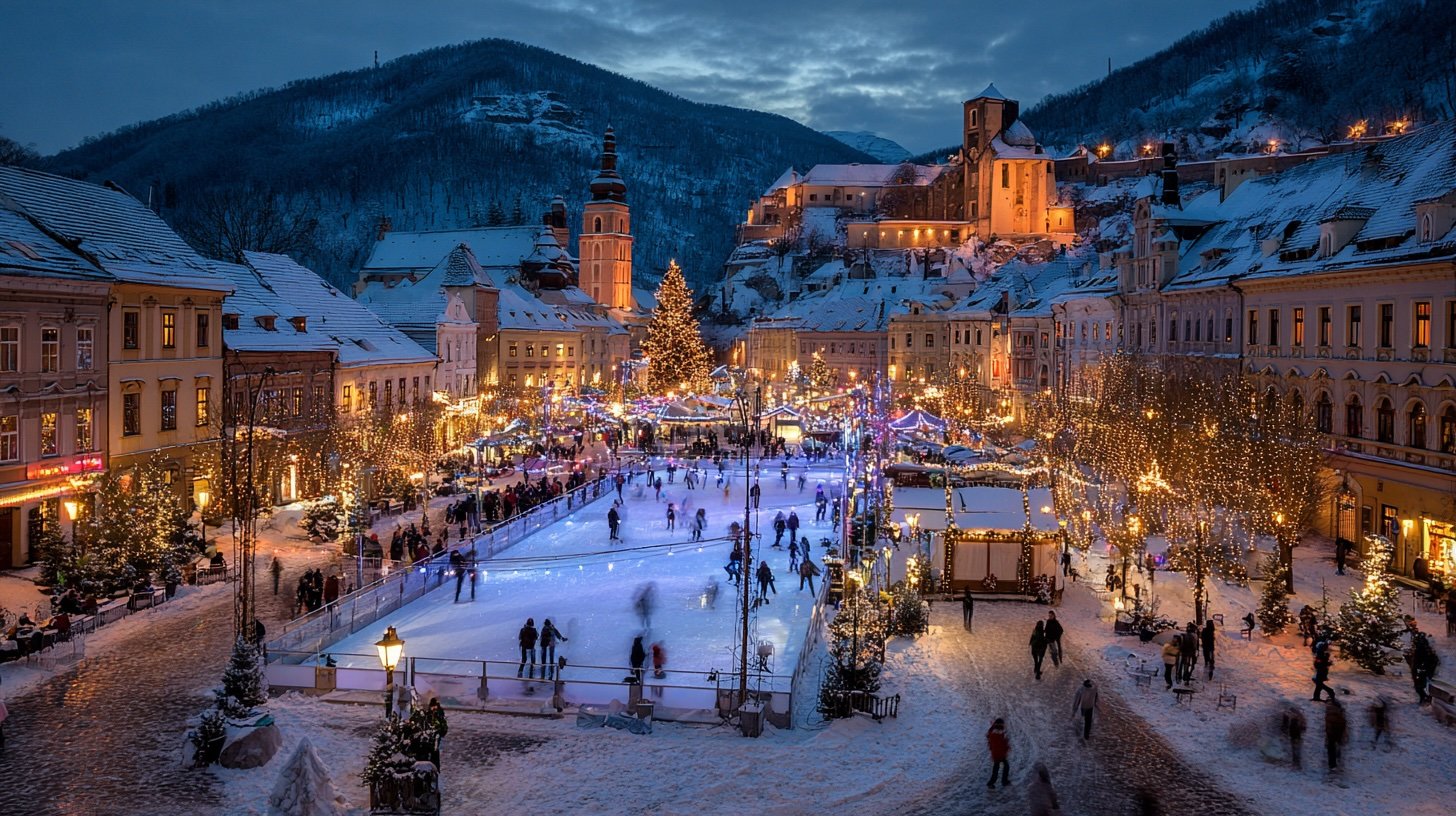
Winter in Europe does funny things to people. Some respond by hiding under blankets with biscuits; others decide the sensible thing is to run through the streets wearing cowbells, masks carved from ancient wood, or enough feathers to scare a poultry farm. Strange sparks of folklore light up the continent from December through March, and each spark has its own soundtrack, scent, costume and charming level of chaos. These festivals aren’t just parties. They’re living time capsules where the past sneaks back into the present to make sure we haven’t all become too civilised.
Travellers who know only the glamour of Venice Carnival often have no idea how deep this rabbit hole goes. Venice brings the elegance, the candlelit theatrics, the masked romance. Elsewhere, winter festivals deal in mischief, mud, lanterns, bonfires, demons and sometimes oranges hurled with surprising force. Anyone who enjoys cultural travel will find huge joy in roaming between them. You get a sense of how Europe handles the cold: with noise, costumes, satire and a refusal to let winter be dull.
The season kicks off with something deliciously wicked in the Alps. Krampusnacht arrives every year on 5 December, and no amount of Christmas market mulled wine quite prepares you for it. Streets in Austria, Bavaria and South Tyrol transform into narrow theatres of fear and fun, where horned creatures stomp and rattle chains. The Krampus figures look as if a medieval woodcarver got bored one winter and decided to reinvent nightmares. Some masks come from families who have guarded them for generations. Bells thunder on the backs of beasts who chase adults pretending not to be nervous. Children cling to their parents with equal parts terror and delight. The whole scene offers a reminder that winter once carried real darkness and ritual was the only way people dealt with it.
After Krampusnacht, the calendar marches towards a different mood in Sardinia. Mamoiada’s Mamuthones and Issohadores take over January with a performance that feels older than European borders. Mamuthones move in slow, ritualistic steps with heavy cowbells strapped to their backs, weighed down by black sheepskins. Issohadores accompany them in bright red outfits, looping ropes around spectators in symbolic captures. Nothing about the event looks staged for tourists. It feels like a tradition that continued simply because nobody imagined life without it. Anthropologists love arguing about its origins, but the locals prefer sticking to the performance and letting outsiders puzzle out the meaning.
January also belongs to the remote edge of Scotland, where fire becomes therapy for the winter gloom. Up Helly Aa transforms Lerwick in the Shetland Islands into a torchlit Viking dreamscape. Hundreds of people carry flaming torches through the town, led by a Jarl Squad dressed in full Viking regalia. The night ends with the ceremonial burning of a wooden longship that crackles against the North Atlantic wind. Visitors often come for the spectacle and stay for the community hall parties afterwards. The dancing lasts through the night, fuelled by a mix of local pride and the irresistible high of having helped burn a ship on a Tuesday.
As winter deepens, the eccentricities multiply. In Slovenia’s oldest town, Ptuj, Kurentovanje begins its joyful mission to chase away winter. The Kurenti appear first: shaggy creatures in sheepskin costumes with cowbells that clatter with alarming enthusiasm. Their masks feature red tongues, bright colours, feathers and horns. Despite their wild appearance, Kurentovanje is almost disarmingly friendly. Children adore the Kurenti, tourists adore photographing them, and locals adore explaining how their monsters earned UNESCO recognition. It’s winter folklore with an unexpectedly warm heart.
Hungary brings its own version of winter banishing. In Mohács, Busójárás erupts in February with carved masks, sheepskin costumes, and relentless drumming. Legend claims the villagers once used these masks to frighten away invading Ottoman soldiers. Historians aren’t entirely convinced, but the story sticks because it sounds brilliant. Today’s Busó figures stomp through the streets making enough noise to wake last year’s ghosts. The festival ends with the burning of a giant straw figure representing winter, watched by crowds who cheer as if the season can actually hear them.
Further west, Belgium hosts a celebration that swaps chaos for choreography. The Carnival of Binche in February features the famous Gilles, men in distinctive wax masks and padded costumes topped with towering ostrich-feather hats. Becoming a Gille isn’t simple; strict heritage rules apply, and local identity matters deeply. Shrove Tuesday becomes their crowning moment when they parade through town throwing oranges to spectators as symbols of good fortune. The only rule: you must never throw an orange back. It’s a serious tradition, even if the hats make everyone smile.
Not all winter festivals lean into folklore. Some take the chance to mock the world. Nice Carnival on the French Riviera delivers satire with sunshine. February in Nice feels like someone turned winter off for the weekend. Giant floats parade along the Promenade des Anglais, carrying enormous papier-mâché caricatures lampooning celebrities, politicians and whoever annoyed the designers that year. The Parade of Lights fills the city with colour after sunset, while the famous Bataille de Fleurs sees performers showering the crowds in flowers. It’s the Riviera’s way of proving that winter can be bright without trying too hard.
In Switzerland, winter decides to behave strangely at precisely 4:00 a.m. Basel Fasnacht begins with every streetlamp switched off. Thousands gather in the dark before masked cliques march into the silence playing piccolos and drums. Illuminated lanterns glow above their heads, casting eerie colours on the old town’s alleys. The masks are oversized and deliberately grotesque, the music hypnotic, the effect unforgettable. The festivities continue for exactly seventy-two hours. Basel also insists on single-colour confetti because reusing multicoloured confetti counts as unspeakable behaviour. The rule might sound absurd, yet it perfectly captures Fasnacht’s organised eccentricity.
Spain enters the season with a festival so wild it practically redefines winter. Galicia’s Entroido runs from late January into early March, depending on the town. The stars of the show range from the Peliqueiros of Laza to the Cigarróns of Verín and the Pantallas of Xinzo de Limia. Their costumes rattle with cowbells and shimmer with embroidered details. The characters run through the streets chasing people who gratefully accept the chase as part of the fun. Laza adds extra flavour with its famous Farrapada battle, where locals fling muddy cloths at each other. The celebrations also include flour fights, symbolic mock kidnappings, and occasions where someone dressed as a cow charges into the crowd. Visitors describe Entroido as a medieval street party that forgot to modernise and decided it was better that way.
Somewhere between the satire of Nice and the ancient rituals of Sardinia sits the beating heart of Europe’s winter imagination: Venice Carnival. It needs no introduction because the masks speak for themselves. The city becomes a dreamscape of velvet, lace and secrecy. The fog over the lagoon drifts between marble facades like a special effect designed by the city itself. Venetians glide through streets wearing masks that range from mysterious to extravagant, while visitors marvel at how this festival balances elegance with theatrical mischief. The magic lies in its restraint. Venice doesn’t overwhelm you with noise or fire. It whispers, it seduces, and it invites you to play a role.
While Venice stands as the most iconic of all winter festivities, its neighbours across Europe add essential context. Together, these festivals form a tapestry of how communities kept spirits alive during the coldest months. The Alpine valleys relied on fearsome creatures like Krampus. Mediterranean towns chose satire and sunshine. Atlantic villages clung to rituals wrapped in myth. Northern islands found warmth in fire and shared halls. Central Europe mixed precision with spectacle. Each festival carries a fragment of Europe’s shared past, shaped by landscape, belief and necessity.
For travellers planning a winter itinerary, this collection offers a brilliant circuit. Start in early December with Krampusnacht, then drift south to Sardinia’s Mamuthones. Chase Viking torches in Shetland before meeting the Kurenti in Slovenia. Join the Busó revelry in Hungary and switch gears for Nice’s flower battles. Wander to Belgium for the ritual elegance of Binche, then slide into Switzerland’s hypnotic lantern-lit nights. Finish with Venice, the festival that binds the season together like a final flourish.
The beauty of this winter trail lies in the different moods. Some festivals immerse you in folklore so old it barely feels European anymore. Others rely on humour or political satire. A few feel almost ceremonial. Others delight in being gloriously chaotic. Together, they reveal that winter never belonged solely to frost and stillness. It’s always been a stage for people to rebel, to gather, to express identity and to remind the world that cold weather shouldn’t silence celebration.
If anything, these festivals show how winter creativity refuses to fade. Europe embraces its shadows, its histories and its unpredictable energies with gusto. Travelling through these events feels like moving through the continent’s subconscious. You see how people once made sense of seasons, how they welcomed the returning light, how they confronted fear, and how they turned long nights into excuses for joy.
And when you eventually reach Venice, the glamour makes even more sense. Every winter festival before it feels like a road of folklore leading to that masked masterpiece. Venice may be the centrepiece, but the continent’s other celebrations give it depth and dimension. Winter in Europe is never just cold. It’s loud, bright, playful, ancient, bizarre and endlessly fascinating.