From Finland With Warmth: Is Sauna Really Good for Your Health?
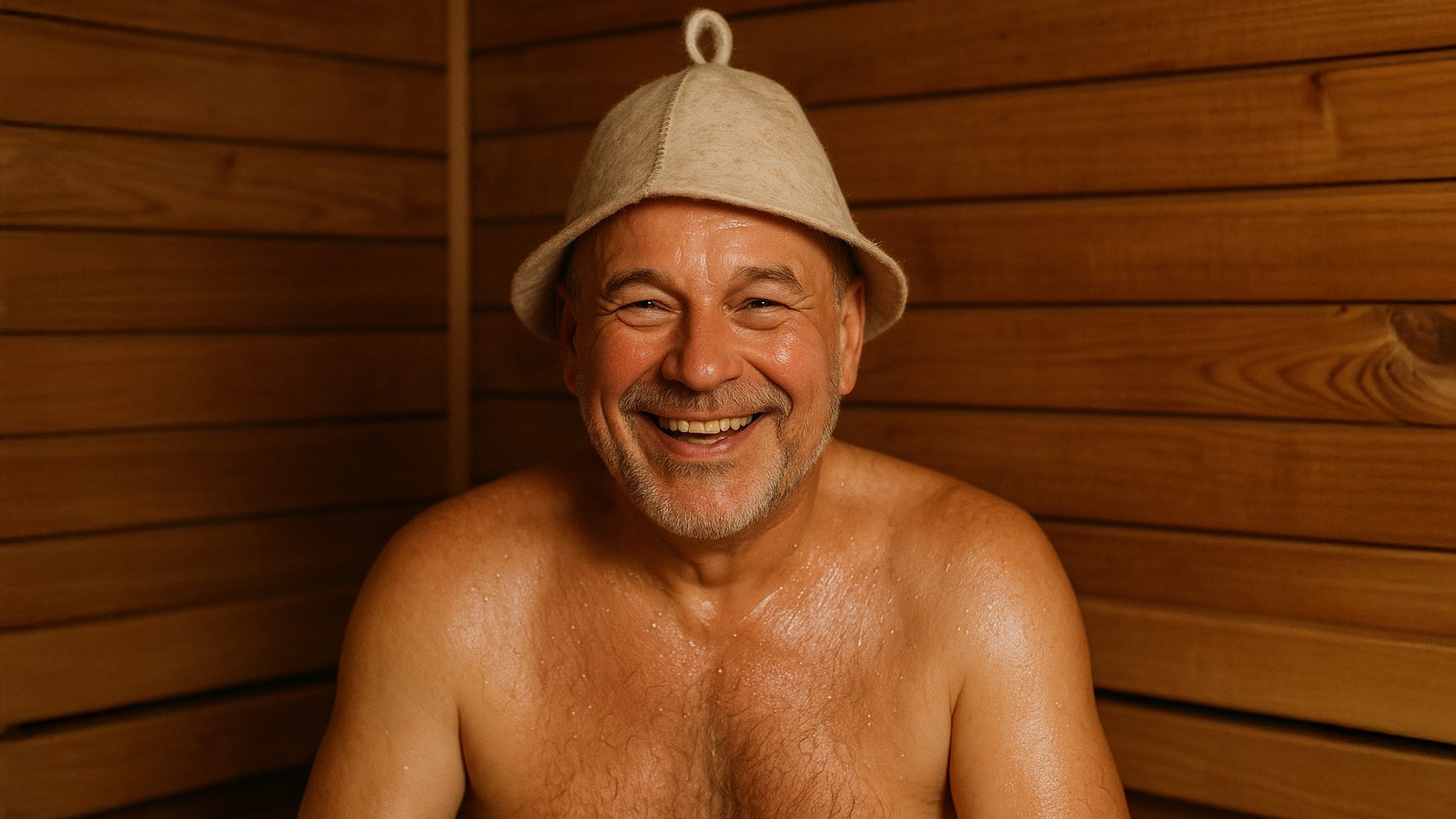
Stepping into a sauna feels a bit like stepping into another climate, one where time slows down, skin prickles, and everyone suddenly remembers they should drink more water. The heat wraps around you with the confidence of an overenthusiastic Nordic hug, and for a moment you may wonder whether you are doing something deeply healthy or simply poaching yourself in the name of wellness.
Saunas have acquired a slightly mythical reputation. They are linked with longevity, heart health, glowing skin, better sleep, stress relief and a general sense of having become the sort of person who makes wise choices. Some of those claims have evidence behind them. Others have been inflated by wellness marketing until they begin to sound less like physiology and more like a brochure for immortality.
The truth is more interesting. Saunas are not magic. They do not detox the body in any meaningful way, they do not melt fat, and they cannot replace exercise, sleep, food or medical treatment. But used sensibly, they may support cardiovascular health, relaxation and recovery. The key word is support. A sauna is not the lead actor in a healthy life. It is a useful supporting character with very good lighting.
Much of the excitement comes from Finland, where sauna bathing is not a rare spa treat but part of ordinary life. Finnish researchers have followed groups of people over long periods and found that those who used saunas more frequently tended to have lower risks of fatal cardiovascular events and death from any cause. One of the best-known studies, published in JAMA Internal Medicine in 2015, followed more than 2,000 middle-aged Finnish men and found that more frequent sauna use was associated with lower rates of sudden cardiac death, fatal coronary heart disease, fatal cardiovascular disease and all-cause mortality.
That sounds impressive, and it is. But it needs careful handling. The study was observational, which means it can show a relationship but cannot prove that saunas caused the longer lives. People who use saunas frequently may also have other advantages. They may be more active, less stressed, more socially connected, or living within a culture where sauna use forms part of a broader pattern of healthy routine. Researchers can adjust for some of these factors, but they cannot remove every possible influence.
That does not make the findings useless. It simply means they should be read with grown-up caution. Saunas may well contribute to better health, but the evidence does not justify treating them as a shortcut to longevity.
The cardiovascular logic is plausible. When you sit in a hot, dry sauna, your heart rate rises and blood vessels widen. In that narrow sense, the body responds a little as it does during light or moderate exercise. Circulation increases, the body works to cool itself, and the cardiovascular system receives a controlled challenge. This may help explain why sauna bathing has attracted interest from heart-health researchers.
However, a sauna is not a workout in disguise. It will not build muscle, improve coordination, strengthen bones or develop aerobic fitness in the same way as actual movement. It may mimic some cardiovascular responses of exercise, but it cannot replace the many benefits of exercise itself. Think of it as a complement to movement, not a loophole for avoiding it.
The strongest everyday benefit may be less dramatic but more immediately recognisable: relaxation. Sauna bathing gives the body a clean physical instruction to slow down. Phones usually stay outside. Conversation softens. Breathing changes. Muscles loosen. The ritual creates a rare pause in a world that often treats stillness as suspicious.
This matters because stress is not only a mood. It has physical consequences. A regular calming ritual may help people feel more grounded, sleep better or recover mentally from busy days. That does not require extravagant claims about “resetting the nervous system”. It is enough to say that heat, quiet and repetition can be a powerful combination.
Heat can also help with temporary muscle soreness and stiffness. Warmth increases blood flow to the skin and muscles, and many people find that aches feel less stubborn after a session. Athletes often use heat as part of recovery, not because it magically rebuilds tissue, but because it can reduce the sensation of tightness and promote comfort. People with chronic pain sometimes report short-term relief, although this should not be confused with a cure.
The brain-health claims need particular care. Finnish research has reported an association between frequent sauna bathing and lower risks of dementia and Alzheimer’s disease in middle-aged men. (OUP Academic) That is intriguing, but it does not prove that saunas prevent dementia. A more cautious interpretation is that sauna use may sit alongside other factors linked to better cardiovascular and cognitive health. Since blood pressure, circulation, inflammation and metabolic health all matter for the brain, the connection is biologically plausible. But it remains a possibility, not a prescription.
Then there are the myths. The first is detoxing. Saunas make you sweat, and sweat feels cleansing, but that does not mean toxins are being meaningfully flushed out. The liver and kidneys remain the body’s main detoxification system. Sweating is mostly about temperature regulation. It is not a secret waste-disposal route that wellness influencers somehow discovered before nephrologists.
The second myth is weight loss. You may weigh less immediately after a sauna, but most of that change is water loss. Drink properly afterwards and the number returns. Saunas can be part of a healthy routine, but they are not a fat-loss technology. Any product or programme that sells them as an effortless slimming tool deserves scepticism.
The third myth is that all heat therapies are interchangeable. A traditional Finnish sauna, an infrared sauna, a steam room and a hot bath do not work in exactly the same way. Traditional saunas usually involve high heat and low humidity. Steam rooms use lower temperatures but much higher humidity. Infrared saunas heat the body differently and are often marketed with especially bold claims. Mayo Clinic notes that some studies suggest possible benefits from infrared sauna use in certain chronic conditions, but larger and more rigorous studies are still needed. (Mayo Clinic)
So what is a sensible routine? For most healthy adults, a sauna session of around 10 to 20 minutes is a reasonable range. Beginners should start shorter, perhaps five to ten minutes, and build gradually. There is no prize for enduring heroic temperatures while pretending not to feel dizzy. The best sauna routine is the one you can repeat comfortably and safely.
Hydration matters. You lose fluid even if you are just sitting there looking philosophical. Drink water before and after. Avoid alcohol before or during sauna use, because alcohol increases the risk of dehydration and can make it harder to judge overheating. UCLA Health gives similar practical advice: hydrate, limit sessions to around 20 minutes, start shorter as a beginner, and avoid alcohol before or during sauna bathing. (UCLA Health)
Some people should be more cautious. Anyone with unstable heart disease, very low blood pressure, fainting episodes, significant arrhythmias or serious cardiovascular symptoms should speak to a doctor before using saunas. The heat places extra demand on the heart, which may be harmless or beneficial for some people but risky for others. Pregnancy is another area for caution. NHS-linked guidance notes that people may choose to avoid saunas, hot tubs and steam rooms during pregnancy because of overheating, dehydration and fainting risks. (Collingwood Surgery)
There is also a fertility footnote for men. Because sperm production is sensitive to heat, repeated high-temperature exposure may temporarily affect sperm count or quality. For most men this is unlikely to be a major issue, but anyone actively trying to conceive may want to be moderate with frequent heat exposure and seek medical advice if concerned.
The cultural context matters as well. In Finland, sauna bathing often comes with ritual, routine, cooling down, social connection and long familiarity. In Britain, it may be squeezed between a treadmill session and the car park. That difference matters because some of the benefit may come not only from the heat but from the way the practice is used: slowly, regularly and without the frantic feeling of another wellness task to complete.
That may be the most people-first way to think about saunas. They are useful if they make your life better in practice. If you enjoy them, tolerate heat well and use them safely, they can become a genuinely valuable habit. They may support heart health, help relaxation, ease muscular discomfort and create a rare moment of quiet. If you dislike them, there is no need to force yourself into a wooden box out of fear that everyone else is quietly extending their lifespan without you.
The evidence is promising, especially for traditional sauna use and cardiovascular health, but it is not absolute. The best findings show associations, not guaranteed outcomes. Saunas are not medicine, not exercise, not detox, and not a moral achievement. They are a controlled heat exposure ritual that many people find pleasant, calming and possibly beneficial.
So, are saunas really that good for you? Yes, with sensible expectations. They are good in the way a regular walk, a quiet evening or a decent night’s sleep is good: not because they perform miracles, but because the body responds well to rhythm, warmth and recovery.
Important: Individual responses to sauna use vary. Age, fitness level, hydration, medication, pregnancy, blood pressure, cardiovascular health and heat tolerance can all affect how safely and comfortably someone responds to heat exposure. This article is for general information only and should not be treated as medical advice. If you have a heart condition, low or unstable blood pressure, a history of fainting, are pregnant, take medication that affects hydration or circulation, or have any other health concerns, consult your doctor before using a sauna or changing your heat-exposure routine.
The real appeal may be simpler than the longevity headlines suggest. A sauna gives the body something to do and the mind permission to stop doing quite so much. In a culture built around urgency, that alone feels almost medicinal.