A giant spider invites visitors to climb into a digital universe, an artist turns public toilets into an olfactory installation, and a collection of discarded metal objects challenges the very idea of artistic value. Welcome to Frieze London 2026, where a painting can cost a fortune, a scrap of machinery can become a political statement, and the distinction between artistic experimentation and elaborate practical joke is occasionally rather thin.
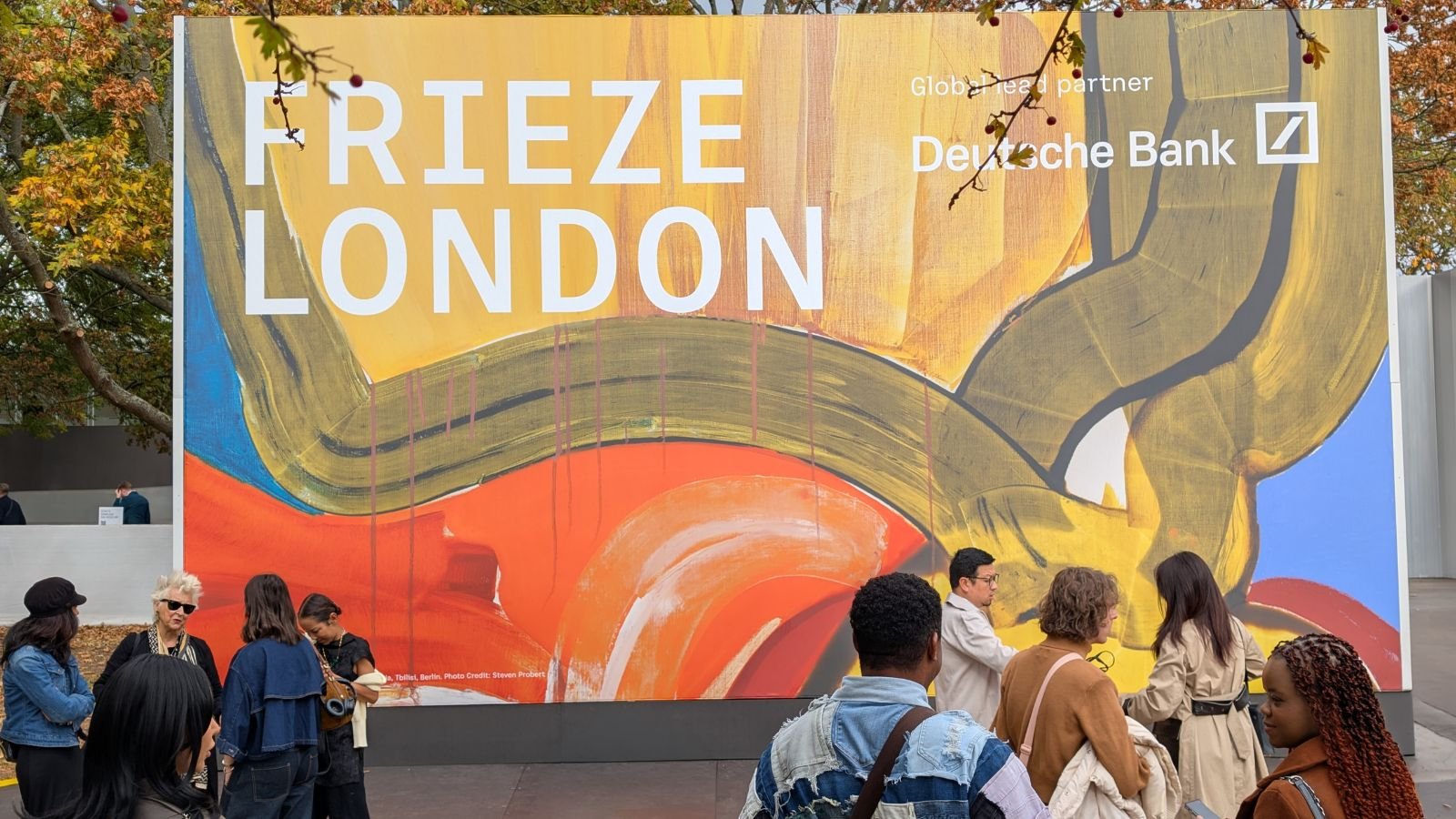
From 14 to 18 October, London’s Regent’s Park hosts the 24th edition of Frieze London and the 14th edition of Frieze Masters. The contemporary fair brings together 172 galleries from 42 countries and regions, while its historical counterpart offers works spanning thousands of years. Together, they provide an unusually revealing portrait of the international art market: an industry that trades in beauty, provocation, intellectual arguments and, naturally, very substantial sums of money.
The two fairs operate almost like parallel universes. At Frieze Masters, visitors can encounter an imposing portrait by Anthony van Dyck, ancient Egyptian sculpture and objects whose makers could hardly have imagined their eventual appearance in a London art fair. A bronze figure of the Egyptian god Ptah, dating from the 26th Dynasty, is among this year’s historical attractions. Next door, Frieze London is concerned with rather different questions: identity, technology, migration, consumer culture and the strange habits of modern society. The contrast is instructive. Ancient patrons commissioned images of gods and rulers to establish authority; contemporary artists frequently make their reputations by questioning it.
One of the fair’s most conspicuous attractions is Feral Metaverse (Spider), created by Greek artist Theo Triantafyllidis, winner of the 2026 Frieze London Artist Award. The installation combines a climbable spider-like sculpture with a shared digital environment in which participants must cooperate to create temporary collective forms. It is part playground, part social experiment and part commentary on how human relationships operate through technology. Unlike the familiar image of a solitary collector contemplating an expensive canvas, this work requires people to do something together, preferably without falling off the sculpture.
Another unconventional commission comes from Gray Wielebinski, whose installation Production transforms the fair’s public toilets through sculptural objects and scent. The project examines privacy, desire, security and the social rules governing spaces that most people prefer to use without philosophical reflection. Whether visitors appreciate having their bathroom habits turned into an artistic subject is another matter, but contemporary art has never been particularly concerned with leaving its audience undisturbed.
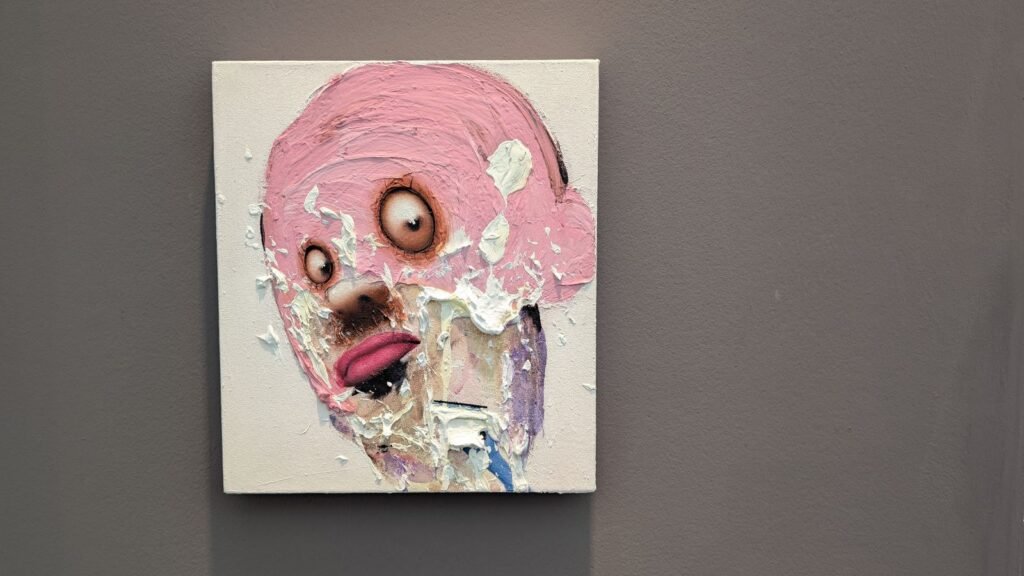
Beyond these headline attractions, Frieze’s international galleries offer a much broader picture of contemporary artistic practice. Iranian painter Farrokh Mahdavi, represented in Dastan Gallery’s Letters from Iran presentation, is known for portraits dominated by fleshy pink tones, with facial features partly obscured or reduced to eyes and mouths. His paintings question the conventions through which viewers recognise identity, gender and individuality. They can appear disarmingly simple at first glance, although their unsettling quality tends to linger.
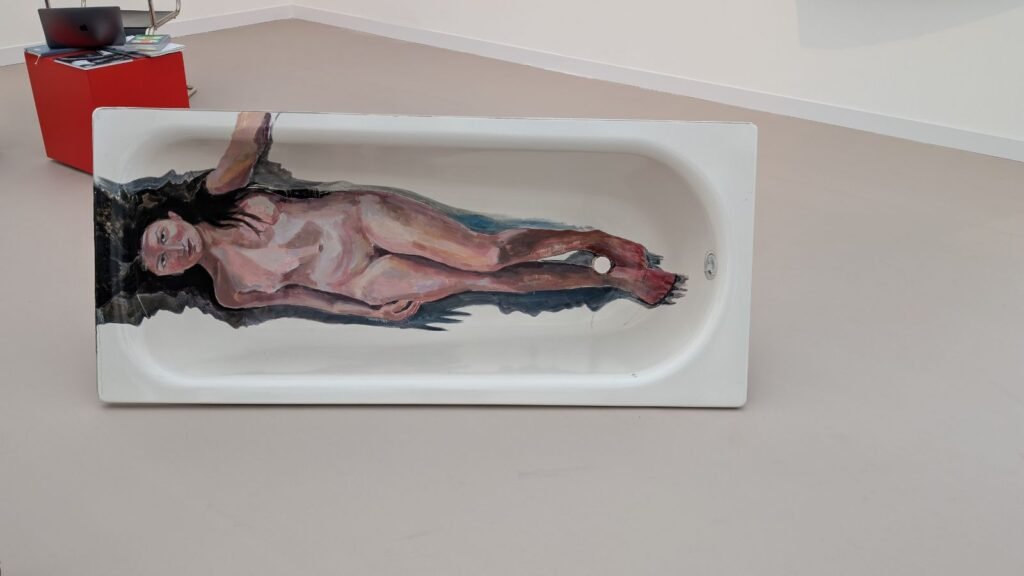
Bosnian-Romani artist Selma Selman approaches questions of identity and value from another direction. Presented by acb Gallery in the new curated section The Code Universe, she works with recycled materials and discarded metal, drawing on experiences of labour, social exclusion and the treatment of Roma communities. Her practice challenges the distinction between objects considered worthless and those granted artistic or commercial value. At a fair devoted partly to assigning prices to objects, the subject seems particularly well chosen.
The Code Universe itself, curated by Carol Yinghua Lu, examines how popular culture is produced, distributed and consumed, bringing together artistic practices from the late 1970s to the present. Its participants include Japanese artist Shinro Ohtake, whose layered compositions incorporate printed material, photography and fragments of everyday visual culture. The section suggests that contemporary society has not simply become saturated with images; it has developed entire systems for recycling, manipulating and selling them.
Other major presentations include German painter Albert Oehlen at Gagosian, whose work challenges the conventional boundaries between abstraction and representation, and Brazilian artist Dalton Paula at Lisson Gallery. Paula’s portraits and historical investigations recover Black figures and experiences frequently overlooked in established narratives of Brazilian history. Their presence illustrates a continuing shift in the art market towards artists whose work re-examines who has traditionally been represented, collected and remembered.
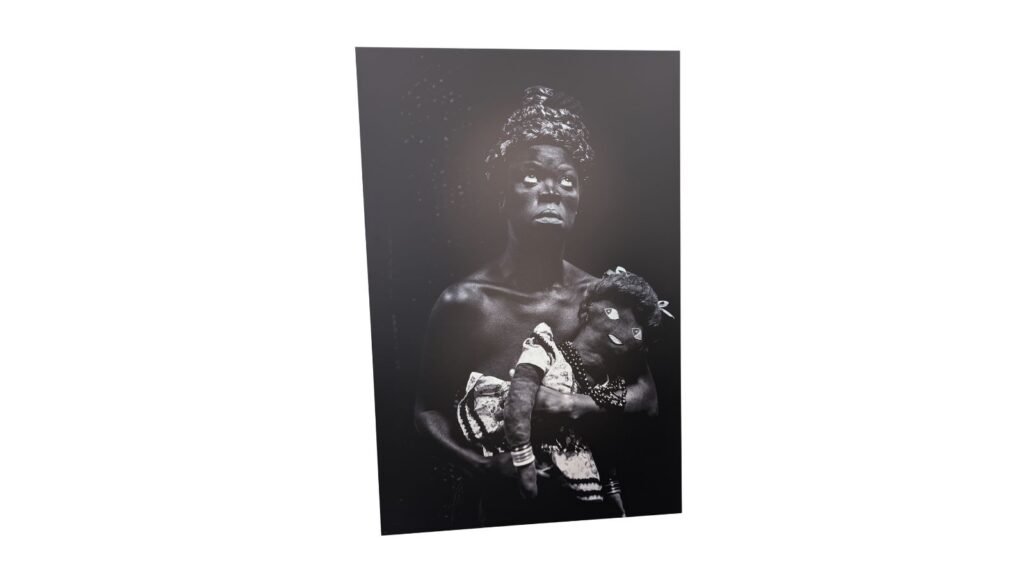
Photography also occupies a prominent place in the wider Frieze conversation. South African photographer and visual activist Zanele Muholi, presented by Southern Guild, is celebrated for powerful black-and-white portraits documenting Black LGBTQIA+ lives. Their Somnyama Ngonyama self-portrait series uses dramatic contrasts and carefully chosen everyday objects to confront racial stereotypes and the politics of representation. The gallery’s presentation includes photographs and an imposing glass-beaded wall hanging, demonstrating how Muholi’s work extends beyond the photographic print.
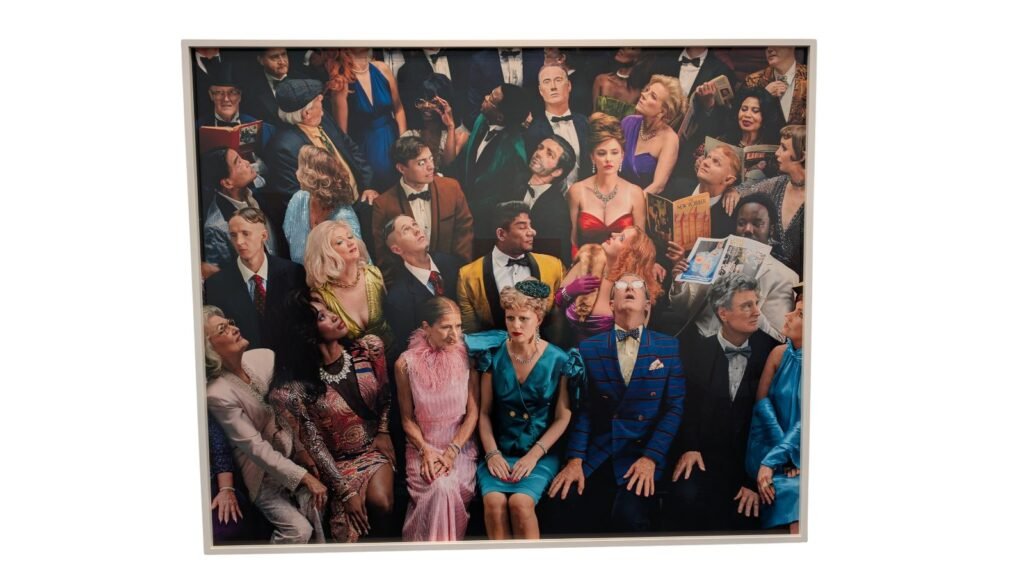
American photographer Alex Prager offers a rather different visual language. Her meticulously staged photographs resemble moments from Hollywood films whose plots have somehow gone missing. Crowds, anxious faces, saturated colours and theatrical lighting create scenes suspended between glamour and psychological discomfort. Where Muholi uses photography to establish visibility and identity, Prager explores the unease concealed beneath familiar cinematic images. Both demonstrate how a carefully constructed photograph can communicate considerably more than a straightforward record of reality.
British-American artist Nicole Eisenman brings another form of psychological observation to London’s Frieze Week. Her paintings and sculptures combine grotesque humour, art-historical references and sharp political commentary. At Sadie Coles HQ on Savile Row, a concurrent exhibition of new paintings portrays a world of social anxiety, absurdity and barely concealed aggression. Eisenman’s distorted figures can look almost comical, until the underlying subjects become apparent. Her monumental sculptural work at the Royal Academy adds another reason to explore the exhibitions taking place beyond Regent’s Park.
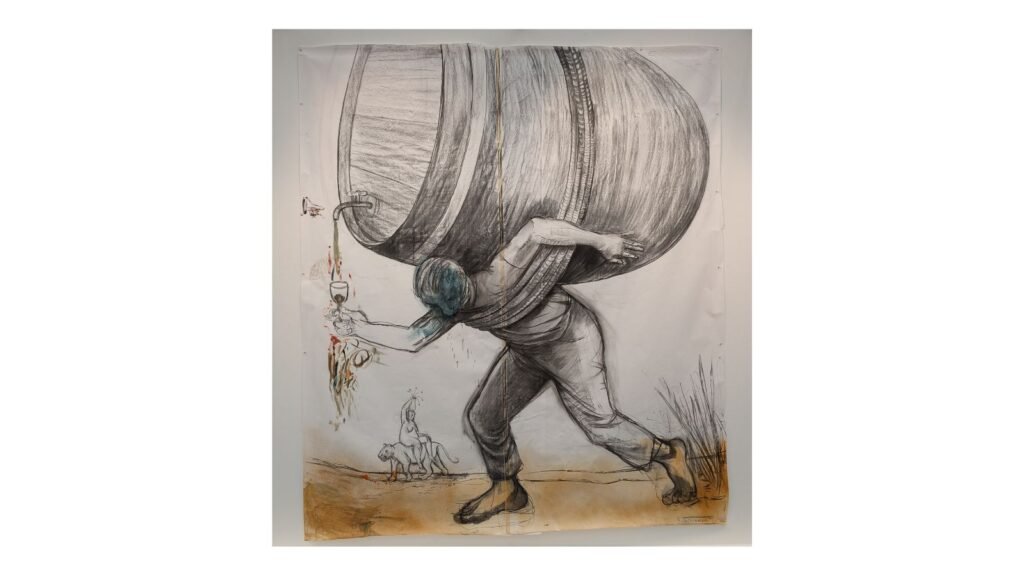
Scottish painter Caroline Walker, meanwhile, has built her reputation through quietly observant paintings of women at work. Hotel cleaners, shop assistants, domestic workers and other frequently overlooked figures become the subjects of carefully composed scenes. Her use of artificial lighting, windows and reflections often gives the impression of watching private moments from a discreet distance. Unlike artists who rely on overt confrontation, Walker finds social commentary in ordinary routines, allowing the circumstances of work to speak for themselves.
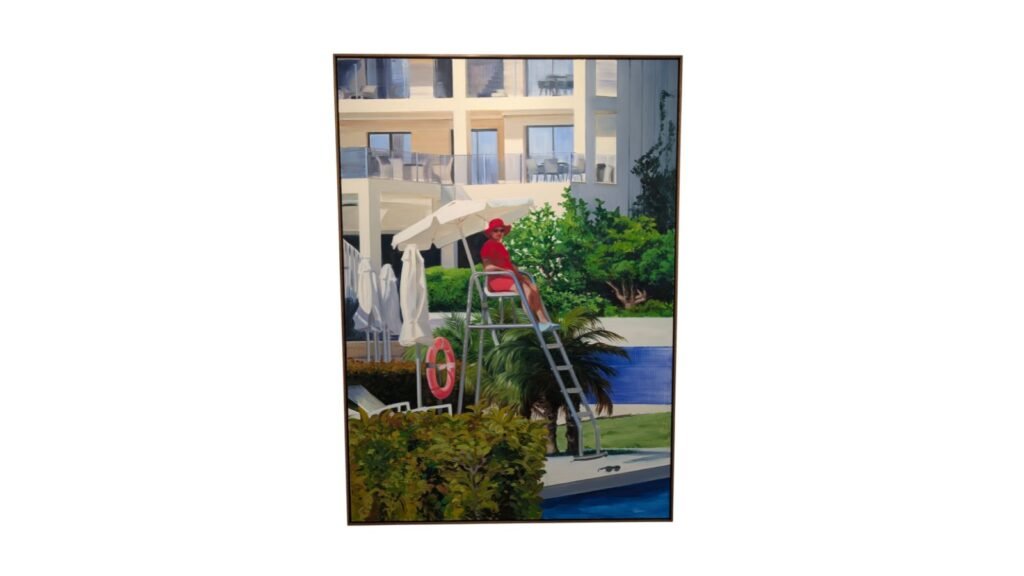
The work of Bangladeshi artist Joydeb Roaja offers a further perspective on representation and political memory. A member of the Indigenous Tripura community, Roaja creates paintings, drawings and performances addressing the experiences of Indigenous peoples in Bangladesh’s Chittagong Hill Tracts. Human figures, animals, trees and military imagery appear in compositions concerned with displacement, cultural survival and contested land. His art draws attention to communities whose histories rarely feature in the international cultural conversation, let alone the commercial art market.
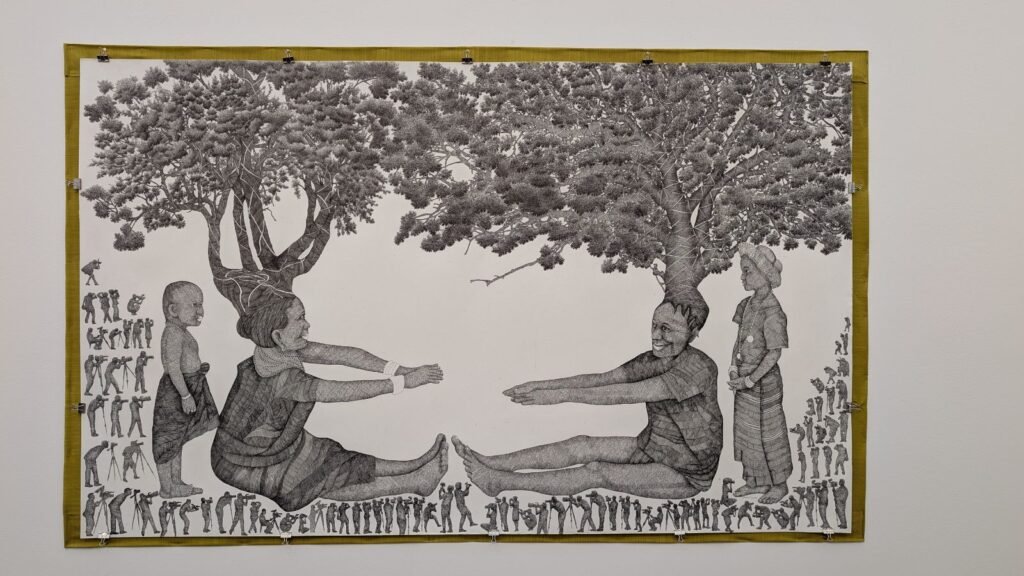
South African artist Thania Petersen similarly examines how history shapes personal and collective identity. Working across photography, performance, installation and other media, she explores Cape Malay identity, colonialism, religion and inherited cultural traditions. During Frieze London 2026, her work also appears through illycaffè’s In Minor Keys collection, which features contributions by four artists participating in the 61st Venice Biennale. Petersen’s contribution brings questions of identity and cultural memory into the unexpectedly domestic territory of the coffee cup.
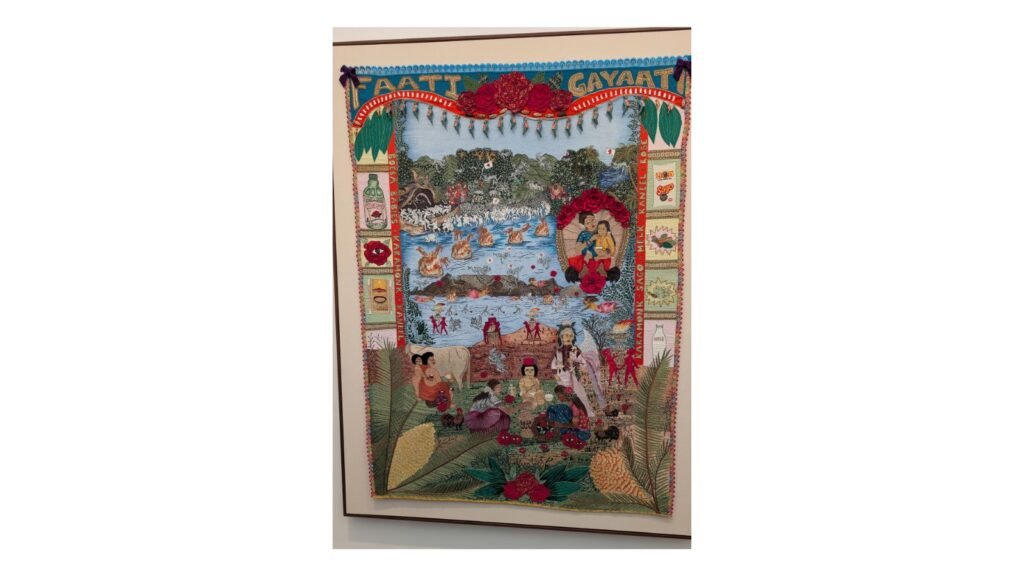
The geographical range of these artists reveals something about the changing priorities of international galleries. London, New York and Paris remain powerful commercial centres, but the artistic subjects increasingly originate elsewhere: Iranian portraiture, Indigenous experiences in Bangladesh, Roma communities in Bosnia and post-apartheid South Africa. The international art market has become more willing to accommodate these perspectives, although questions about who controls the galleries, collections and financial rewards remain unresolved.
Frieze’s Focus section, featuring 35 younger galleries from 17 countries, offers another glimpse of how the market might develop. Rather than relying entirely on established names, it creates opportunities for less familiar artists working with experimental materials and unconventional ideas. Some will eventually command substantial auction prices; others may remain influential without becoming commercially successful. Predicting which is which has never been an exact science, despite the confidence with which certain collectors discuss their purchases.
For visitors, the most rewarding approach may be to resist treating Frieze as a competition to identify the next expensive name. A small drawing from Bangladesh can raise questions as substantial as a monumental European painting, while a portrait constructed from discarded objects may say more about contemporary society than an elaborate technological installation. The fair’s great contradiction is that it provides a commercial setting for artists who frequently question the systems of power, wealth and consumption that sustain it.
And perhaps that is what makes Frieze London particularly revealing. In one corner, an artist questions the meaning of value by painting on discarded metal. Elsewhere, collectors negotiate the value of art in precisely the market the artist is challenging. Both activities take place under the same temporary roof in Regent’s Park, with excellent catering and very little apparent embarrassment.