Coffee and Your Body: The Real Story
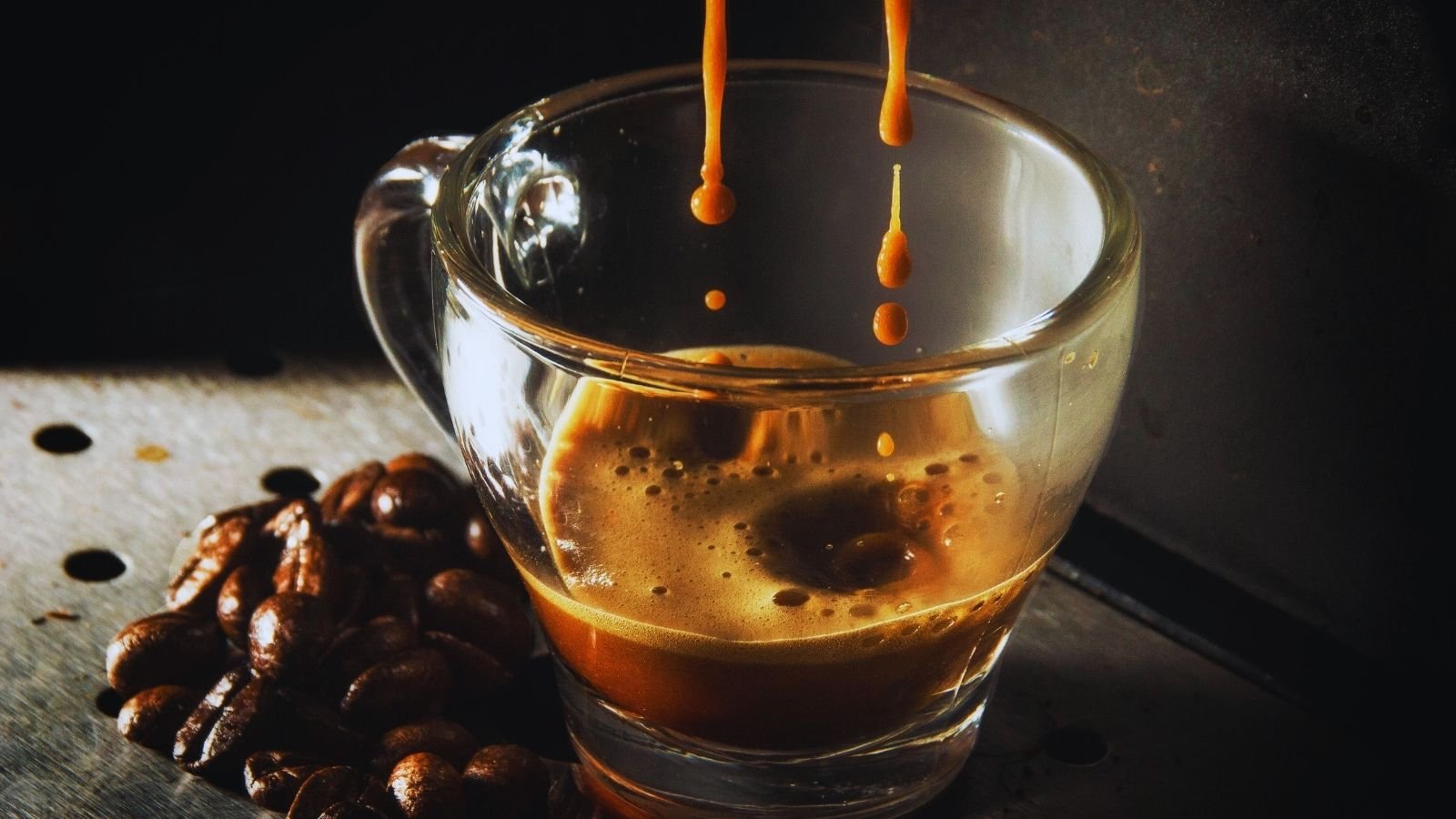
Coffee and your body have always had a relationship worthy of a dramatic novel: the drink turns up fashionably late, charms everyone in sight, and then overstays its welcome just enough for you to reconsider your life choices. People praise it, fear it, worship it, and occasionally blame it for everything from their anxiety to the fact they forgot their keys on the kitchen counter. Yet the more scientists poke at it, the more they admit the stuff does more good than harm, provided you don’t overdo it or treat your bloodstream like an espresso pipeline.
The story starts with that unmistakable aroma drifting through kitchens, offices, train stations and cafés. A single whiff already lifts the mood, long before any actual caffeine enters the bloodstream. The smell alone convinces people they’re more awake, and to be fair, that isn’t completely delusional. The brain likes rituals, and coffee has become one of the safest rituals to lean on. Once you take that first sip, things become a little more scientific. Those roasted beans contain an outrageous number of antioxidants and polyphenols. They fight oxidative stress lurking around the body like bored troublemakers. These compounds help the body feel a bit more organised, as if someone suddenly turned up and offered to alphabetise the chaos.
People usually talk about caffeine as if it’s both a superpower and a curse. The truth sits somewhere in the middle. Caffeine blocks adenosine, a neurotransmitter responsible for the sensation of tiredness. This is why you sometimes feel you’ve aged backwards twenty minutes after your cup. It sharpens reaction times, lifts concentration and gives you the kind of falsely optimistic determination that convinces you today is the day you’ll finally tackle that inbox. Meanwhile, scientists insist coffee does far more than boost short-term focus. Regular drinkers often enjoy a reduced risk of type 2 diabetes, certain cancers and chronic liver disease. The liver, in particular, seems to adore coffee more than most people adore holidays.
Liver studies repeatedly show that coffee drinkers have lower rates of cirrhosis and fatty liver disease. Even those who enjoy alcohol a little too enthusiastically see some benefit when coffee enters the picture. It acts like a protective older sibling stepping in to make sure things don’t get completely out of hand. The brain also gets its fair share of praise. Long-term coffee consumption appears to lower the risk of Parkinson’s and Alzheimer’s. The link isn’t magic; it’s the combination of caffeine, antioxidants and anti-inflammatory compounds working together in an impressively coordinated way.
There’s also the matter of mood. Some people claim coffee is their emotional support beverage, and while that might sound dramatic, there’s a grain of truth. Moderate consumption correlates with lower rates of depression. It doesn’t replace therapy or sensible life decisions, but it can give the day a nudge in the right direction. A proper cup can feel like a small, encouraging whisper telling you that the morning might not defeat you after all.
Then there’s the heart. For years, people suspected coffee of plotting against their arteries. It turns out the drink deserves a partial apology. Moderate coffee consumption actually lowers the risk of heart disease and stroke for many individuals. The controversy emerged because different brewing methods behave differently inside the body. Coffee isn’t a single character; it’s a cast of characters performing wildly different roles depending on how you brew them.
Filtered coffee, for example, puts on a neat and organised performance. When hot water passes through paper, the filter catches oily compounds called diterpenes. These compounds, cafestol and kahweol, can raise LDL cholesterol when consumed in large amounts. The paper filter stops them before they reach the cup. That’s why pour-over and drip coffee often receive gold stars from cardiologists. They give people the benefits with fewer of the bits that cause trouble.
Unfiltered methods tell another story. French press, espresso and stovetop moka pots let diterpenes march straight through. These methods might produce richer, stronger flavours, but they can nudge cholesterol upward if they become a daily habit. That doesn’t mean you must exile espresso from your life. It simply means you might want to treat it as a delight rather than a constant companion. Coffee behaves like many loves: intensity is wonderful in small doses, but routine intensity can turn problematic.
Cold brew enjoyed a moment of glory after being declared smoother, gentler and less acidic. The marketing made it sound like herbal tea wearing sunglasses. In reality, cold brew often contains fewer antioxidants than hot brew because lower temperatures extract fewer beneficial compounds. It still tastes good, especially on humid days when hot drinks feel like a personal attack. Hot water, however, pulls out more of the antioxidants that make coffee such a nutritional overachiever.
The beans themselves deserve attention. Some people prefer dark roast, others swear eternal loyalty to light roast. From a health perspective, medium roast strikes a charming balance. Light roasts tend to retain more antioxidants because they undergo less heat exposure. Dark roasts develop bold flavours and slightly reduce the chlorogenic acids responsible for antioxidant activity. Medium roast sits in the middle, where flavour and function get along peacefully.
Freshly ground beans also outperform pre-ground ones, not because they lift weights, but because grinding releases aromatic oils and oxygen begins to nibble on them immediately. The longer ground coffee sits around, the more beneficial compounds fade. Freshly ground coffee feels brighter, tastes better and carries more of the good stuff into your cup.
Then there’s the awkward topic of additives. People love transforming coffee into dessert, and that’s absolutely fine if the goal is pleasure. From a health angle, mountains of sugar, cream and flavoured syrups undo a fair bit of what coffee naturally offers. Black coffee tops the health charts, with a small splash of milk drifting somewhere below it, still quite respectable. If you like flavour, spices such as cinnamon or cardamom work beautifully without behaving like calorie grenades.
Despite all its charms, coffee isn’t universally adored by the body. Sensitivity varies wildly. Some people drink four cups and remain calm enough to meditate. Others drink half a cup and begin questioning their entire existence. Caffeine can increase anxiety, trigger palpitations, disrupt sleep and temporarily raise blood pressure. Timing helps. Consuming coffee early in the day gives the body more time to process caffeine before bedtime. Drinking it late in the afternoon can sabotage sleep, which then cascades into irritability, poor concentration and general regret.
Pregnancy introduces more caution. Health guidance usually recommends limiting caffeine to around 200 milligrams per day. It’s not that coffee becomes dangerous; it’s that the stakes shift and moderation becomes genuinely important. Those with acid reflux or certain gastrointestinal conditions might experience discomfort because coffee stimulates the digestive tract a little too enthusiastically. For others, this is a welcome perk and part of the daily rhythm.
When people ask for the healthiest coffee, the answer depends on priorities. If heart health sits high on the list, filtered coffee wins. It removes the diterpenes linked to increased LDL cholesterol while preserving antioxidants. If someone wants the richest flavour with a reasonable nutritional profile, AeroPress methods offer a clever compromise. They don’t use paper filters by default, though you can add one, and they extract coffee quickly, allowing a bold taste with fewer potential issues.
For overall wellbeing, the recipe stays simple. Start with quality beans. Grind them fresh. Opt for medium roast unless you fall passionately for lighter or darker versions. Brew with a paper filter if cholesterol is a concern. Keep additives light. Enjoy two to four cups a day, ideally before mid-afternoon. Treat coffee like an ally rather than a survival mechanism.
It helps to remember that coffee sits at the crossroads of habit, chemistry and pleasure. People drink it not only for its physiological effects but also for the ritual of holding a warm cup, the tiny pause before the first sip, the comfort of a familiar taste. Health isn’t only about molecules; it’s about the small things that keep spirits lifted. Coffee often provides that support.
Still, knowing what goes on behind the scenes makes the ritual smarter. Every method, roast and bean variety changes the drink in subtle ways. Getting the most health benefit doesn’t require dramatic lifestyle shifts. It just means choosing options that let the body enjoy the perks without dealing with the avoidable troublemakers.
If anything, coffee proves that one drink can inhabit multiple identities. It can be the quiet companion of early mornings, the spark during sluggish hours, the aromatic backdrop of conversations and the grounding ritual of workdays. It can energise, uplift, occasionally overstimulate and sometimes annoy. Yet it keeps people coming back because the balance, when struck well, feels remarkably good.
A healthier relationship with coffee doesn’t demand a monastic approach. It simply asks for awareness. Pick brewing methods that support your health. Choose beans that bring joy. Keep an eye on the clock. Let the drink help rather than hinder. When handled thoughtfully, coffee can step confidently into the role of a daily pleasure that supports the body as much as the mood.
There’s a certain charm in knowing that a drink discovered centuries ago on Ethiopian hillsides still manages to fit seamlessly into modern lives. It thrives in offices, cafés, homes and every place where people try to stay awake long enough to do something meaningful. Whether you prefer it strong enough to wake a small village or mild enough for a gentle nudge, the health benefits are real, provided the habit stays balanced.
So the next time you brew a cup, take a moment to appreciate the science hidden inside the steam. Coffee isn’t perfect, but it certainly gives most people more good than grief when treated with a bit of common sense. It lifts mornings, shields the liver, sharpens focus and occasionally turns a dreadful day into a survivable one. Quite an achievement for a humble bean.