Avocado Myths, Half-Truths and the Actual Science Behind the Green Favourite
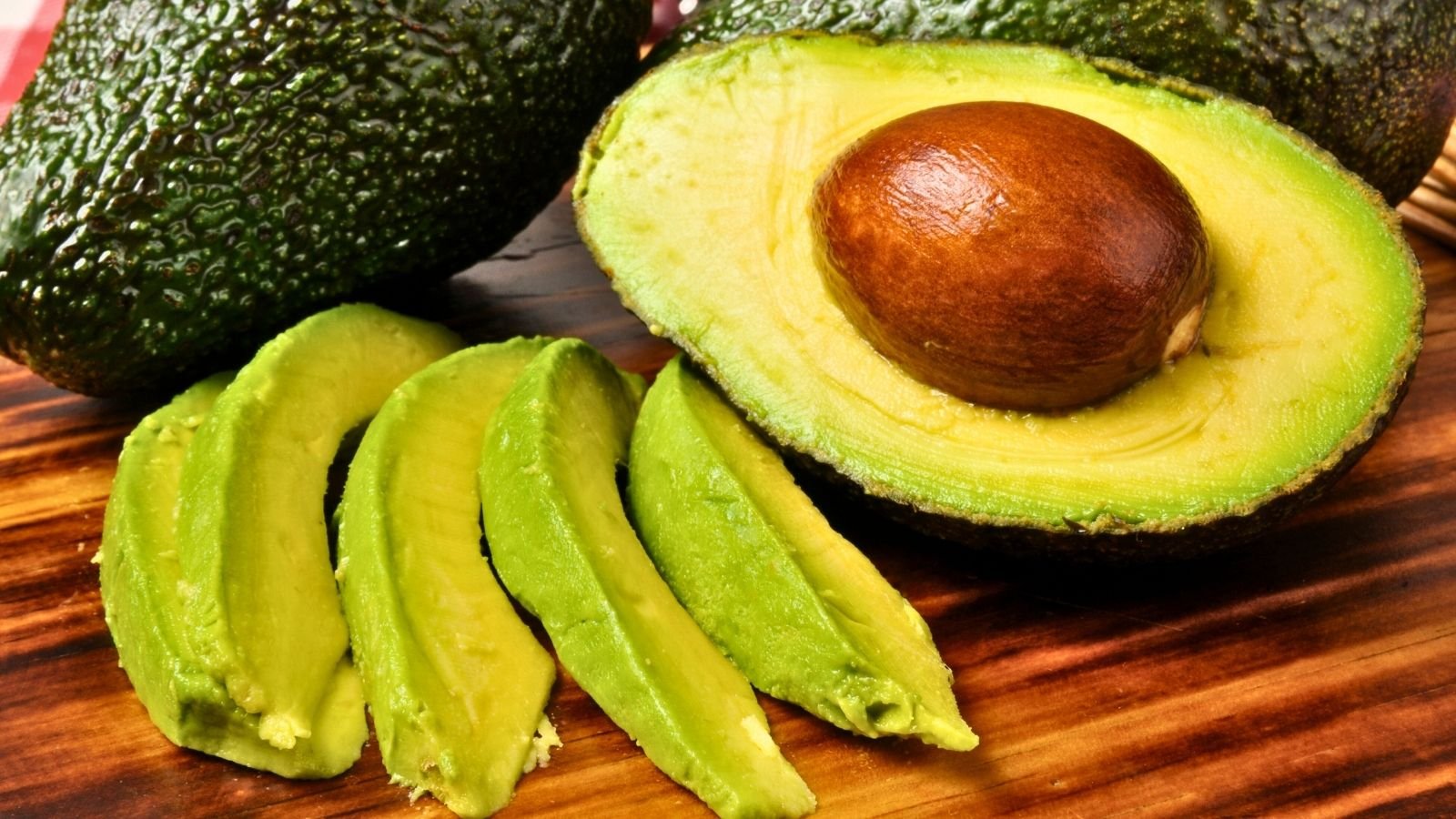
The avocado earned a strange reputation over the years. It showed up as a prehistoric snack, a Mesoamerican delicacy, a colonial curiosity and eventually the global star of brunch plates everywhere. People treat it either as the crowned emperor of healthy eating or as a sneaky saboteur plotting calorie‑heavy coups. The truth sits somewhere between the ancient pits archaeologists dig up and the smashed green mush you spread on toast on a lazy Sunday.
The story begins thousands of years ago. Long before modern nutritionists started debating good fats and bad fats, someone in what is now Mexico cracked open a soft green fruit, tasted it and apparently decided it was worth keeping around. Evidence from Peru suggests humans enjoyed avocados more than ten thousand years ago, though ancient cooks didn’t have Instagram to inform the world. Mesoamerican civilisations cultivated the fruit carefully. The Aztecs valued it so highly they used the word that awkwardly translates into something rather anatomical, which schoolchildren would find endlessly funny and adults pretend they don’t.
Spanish colonists arrived and didn’t know what to make of it at first. They enjoyed the taste but weren’t sure how to classify it. A fruit? A vegetable? A buttery substance without dairy involved? They carried it across oceans anyway. Avocado trees sailed to the Caribbean, to the Mediterranean, even to the subtropics where curious farmers wondered why this green thing insisted on behaving differently from any other crop they owned. It took centuries for the fruit to become a commercial success. Modern avocado culture really began only in the twentieth century when growers in California and Florida produced varieties that travelled well and ripened reliably. That, combined with globalised trade, turned the avocado from a regional treasure into a worldwide phenomenon.
Health conversations followed quickly. Once people discovered the creamy texture came from fat, they panicked. Many believed fat automatically meant unhealthy. Diet gurus wagged their fingers. Supermarkets kept avocados in the exotic section where fearful shoppers rarely lingered. That era feels distant now, because nutrition science moved on and the avocado suddenly sat in the spotlight again, praised for the very thing that once made people suspicious.
The fat inside an avocado behaves differently from the stuff floating in a fryer. It mostly consists of monounsaturated fatty acids, the sort associated with heart‑friendly diets, steadier cholesterol levels and that general sense of doing something mildly virtuous. Nutrition studies over the last decade paint a consistent picture. People who regularly eat avocados tend to show healthier cholesterol profiles. Swapping a morning smear of butter for avocado often nudges those numbers in a better direction. A few large studies even linked two servings a week to lower rates of heart disease. No fruit can single‑handedly fix a diet full of questionable decisions, yet the avocado definitely plays well with most health‑oriented plans.
It carries more tricks. Fibre quietly fills the fruit, hidden behind its soft texture. That helps with digestion, keeps hunger in check and supports gut health in ways nutritionists love to champion. For anyone spending long days on Zoom calls, wondering how to press pause on snacking habits, a bit of extra fibre can feel like a small blessing. The fruit brings vitamins too: vitamin K, vitamin E, vitamin C, folate and potassium all sneak their way into a ripe avocado. Eye‑friendly carotenoids tag along. It’s like the fruit put together a shortlist of nutrients to impress a dietitian.
Some research explores the fruit’s influence beyond classic nutrition markers. Trials on older adults showed mild improvements in cognitive test scores after months of eating avocados. Other studies focused on skin health, noting better elasticity in participants who added a daily avocado to their meals. While nobody needs a clinical trial to justify good skin days, the data does add an unexpected twist to the story of a fruit once considered too oily for comfort.
None of this turns the avocado into a miracle. Healthy foods have boundaries and the avocado carries a major one: calories. The same fats that make it creamy also make it calorically dense. A medium avocado slides easily into the 250–300 calorie range. Eat two of those on top of a normal meal and suddenly the fruit plays a different role. People sometimes forget this and treat the fruit as guilt‑free. They pile half an avocado on every plate and then scribble confused notes about slow weight loss. The fruit didn’t betray them. They simply misread it. Healthy fats remain fats and need space in any balanced diet.
The fruit misbehaves for a few people. Those with sensitive immune systems may react to avocados, especially if they also react to latex. The link sounds odd at first, yet the proteins overlap enough to confuse the body. Most individuals enjoy avocados without issues, but anyone with latex allergies should proceed with caution before testing a chunky portion.
Animals deserve a mention too. Dogs may beg for avocado scraps, but parts of the plant contain a compound that doesn’t suit them. Fortunately, the flesh of the fruit is less risky than the leaves, bark and pit, yet most vets still recommend avoiding the experiment entirely.
Behind the cheerful nutritional image waits a heavier topic: the environmental footprint. Avocado farms, particularly in regions of Mexico, demand substantial water and sometimes create tension over land use. Demand surged so rapidly that some regions saw deforestation and unsustainable farming practices. Media stories occasionally highlight darker angles involving cartels and extortion in agricultural areas. Not all production carries such burdens, yet it reminds consumers to look at sourcing. Ethical produce schemes help, though they can’t rewrite global supply chains in one season. People who want avocados without the shadow of guilt often choose certified suppliers or buy varieties from countries with robust agricultural oversight.
Of course, myths swirl around the fruit anyway. One common claim suggests avocados cause weight gain purely because they’re fatty. The truth remains more nuanced. They can contribute to weight gain, but mainly when people add them without adjusting anything else. Replace a lump of cheddar with avocados and the story usually flips. Another myth frames the avocado as the king of superfoods, able to solve health concerns instantly. That narrative flatters the fruit but misleads consumers. It supports health, yes, but it can’t compete with an overall balanced diet. A third misconception claims avocados raise cholesterol because they contain fat. This one ignores a few decades of research. The type of fat matters more than the quantity. Monounsaturated fats behave very differently from saturated ones.
Some myths feel more whimsical. There’s a persistent whisper that people should eat only perfectly ripe avocados or risk poisoning themselves. That idea likely began with concerns about the pit and skin, which aren’t meant to be eaten. The flesh remains safe even at different ripeness stages, though the experience of trying to slice an under‑ripe avocado resembles trying to peel a cricket ball. Another myth claims microwaving an avocado makes it instantly ripe. Sadly, the microwave softens the flesh but doesn’t mimic natural ripening. Anyone who has tried this hack recognises that it produces something warm, faintly confused and not especially delicious.
People often ask the simplest version of the question: is the avocado good or bad? That’s where the fruit forces nuance. It’s good when used sensibly, when it replaces less healthy fats, when it fits into meals that don’t treat it as an afterthought or an indulgence. It’s less good when someone eats it mindlessly, ignores the calorie content or pretends it possesses magical metabolic powers. A fruit with ancient roots and a complex global journey deserves better than one‑word verdicts anyway.
If you look at everyday eating habits, the avocado works best in meals where its richness brings balance. A homemade sandwich with avocado instead of a double portion of cheese feels lighter yet still satisfying. A salad with avocado can turn into a meal rather than a sad collection of lettuce. Even breakfast gains a bit of substance when avocado steps in for butter. The key sits in these swaps. The benefits show up most clearly not when you add avocado everywhere, but when you let it take the place of the ingredients that quietly challenge your health goals.
People experimenting with healthier lunches often find avocados help them feel fuller for longer. Fibre and fat manage appetite surprisingly well. That doesn’t mean every lunch needs avocado. It simply means the fruit does a better job than many expect. The creamy texture also lets it blend into soups, dips and dressings without needing heavy cream. A clever cook can sneak avocado into all sorts of dishes without turning every meal into a bowl of green.
Yet the fruit resists becoming too trendy again. It already lived through a phase where cafés sprinkled it everywhere, sometimes on dishes that didn’t benefit from its presence. Remember the era of avocado smoothies that looked suspiciously like melted crayons? Thankfully, cooking trends normalised. Avocado now sits where it belongs: a reliable, healthy ingredient rather than a social media mascot.
People continue debating whether to keep it in daily meals. Some enjoy a small portion every morning, others prefer a couple of servings per week. Either works. The healthiest pattern tends to come from moderation rather than strict schedules. The body doesn’t demand daily avocado rituals, though the taste buds may argue differently.
The fruit’s long timeline puts things in perspective. It nourished civilisations before nutrition science existed, survived voyages across oceans and adapted to farming on multiple continents. Its popularity soared, dipped, recovered and soared again. If it were a character in a novel, someone would call it resilient. Or dramatic. Possibly both.
Anyone standing in a supermarket today, squeezing avocados discreetly to judge ripeness, participates in a very old tradition of curiosity. People have always touched food before trusting it. The trick is to understand what the avocado actually offers once it reaches the kitchen.
A balanced view serves best. The avocado supports heart health, helps maintain stable energy, tastes excellent and fits beautifully into plant‑forward diets. It requires portion awareness and sensible substitutions. It carries environmental considerations. It isn’t a miracle. It isn’t a villain. It’s simply a fruit with impressive credentials and an occasionally overenthusiastic fan club.
The next time someone insists avocado is the best thing you can eat, or the worst, or something in between, you can arm yourself with the knowledge the fruit accumulated over millennia. It earned its place on your toast. It simply expects you to respect its limits while enjoying its charms.