In Scandinavia, there is a drink whose name means ‘water of life’. Anyone who has attended an enthusiastic Nordic Christmas dinner might question that description the following morning. Aquavit, or akvavit, is a strong, aromatic spirit flavoured with caraway, dill and other botanicals. It has accompanied Scandinavian celebrations for centuries, survived attempts at prohibition and acquired a reputation as a digestive aid. It is also an essential companion to pickled herring. The last pairing may be its greatest achievement. Few drinks can claim to have made heavily salted fish a more sociable proposition.
Aquavit belongs to the same broad family of flavoured spirits as gin, but its personality is distinctly northern European. Gin generally places juniper at the centre of proceedings, while aquavit relies primarily on caraway or dill. The result can be earthy, herbal, citrusy or surprisingly delicate, depending on the recipe. Most commercial varieties contain around 37.5–45 per cent alcohol by volume, although stronger versions exist. The spirit is particularly popular in Denmark, Norway and Sweden. Each country has developed its own traditions, preferences and occasionally rather firm opinions about how people should serve it.
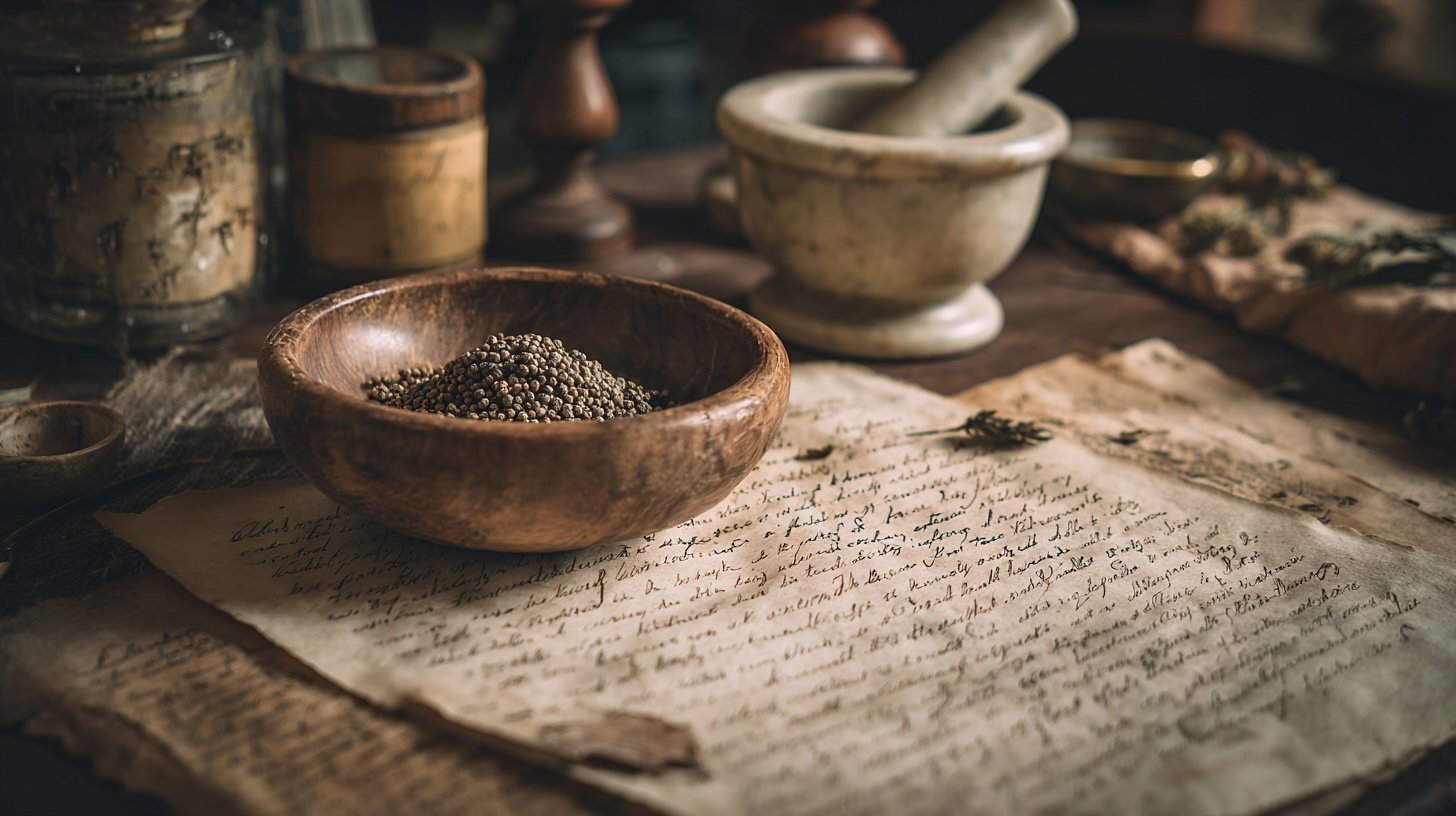
One of the earliest surviving references to aquavit comes from Norway in 1531. Eske Bille, a Danish nobleman commanding Bergenhus Fortress, sent a package to Olav Engelbrektsson, the Archbishop of Nidaros. The accompanying letter described a spirit called aqua vitae and recommended it against ailments both internal and external. Its effectiveness as medicine remains uncertain, but the document reveals that distilled spirits already circulated among the Scandinavian elite. The Latin name was not peculiar to Norway. Across Europe, aqua vitae described distilled alcohol, reflecting the widespread belief that concentrated spirits possessed restorative properties.
Distillation reached Europe long before aquavit became a recognisable Scandinavian speciality. Initially, alchemists, physicians and apothecaries used the technique. Over time, distilling moved into commercial and domestic production. Early producers used grain, while potatoes became an important raw material in parts of Scandinavia from the eighteenth century onwards. Both provide starch that producers can convert into alcohol before distillation. They then flavour the resulting spirit with botanicals, either through redistillation or maceration. Caraway contributes a warm, slightly peppery aroma, while dill adds fresher, greener notes. Coriander, fennel, anise and citrus peel also appear in some recipes.
The three principal Scandinavian traditions reveal how much variety can hide beneath a single name. Danish aquavit is often clear, with caraway playing a prominent role. Aalborg Taffel Akvavit, which first appeared in 1846, became one of Denmark’s best-known examples. Swedish producers frequently combine dill and caraway, creating a style particularly suited to seafood. Norway developed a taste for barrel-aged aquavit, often using oak casks that previously held sherry. Ageing gives the spirit a golden colour and adds notes of vanilla, dried fruit and wood. These are broad national tendencies rather than strict rules. Nevertheless, ordering aquavit in Copenhagen, Stockholm and Oslo can produce three rather different experiences.
Norwegian aquavit also possesses one of the drinks industry’s more entertaining traditions: sending barrels on a sea voyage. In the early nineteenth century, Norwegian merchants shipped aquavit to the East Indies. According to the story behind Linie Aquavit, some barrels returned unsold, and their contents appeared to have improved considerably. Merchants credited the ship’s movement, changing temperatures and prolonged contact with oak for the transformation. The experience inspired a commercial tradition in which barrels travelled across the equator and back before bottling. Linie continues to promote this maritime ageing method. Scientists have yet to establish precisely how much ocean travel contributes beyond ordinary barrel maturation. Still, it is a splendid piece of commercial history: a Scandinavian spirit whose production process includes a considerable amount of international travel.
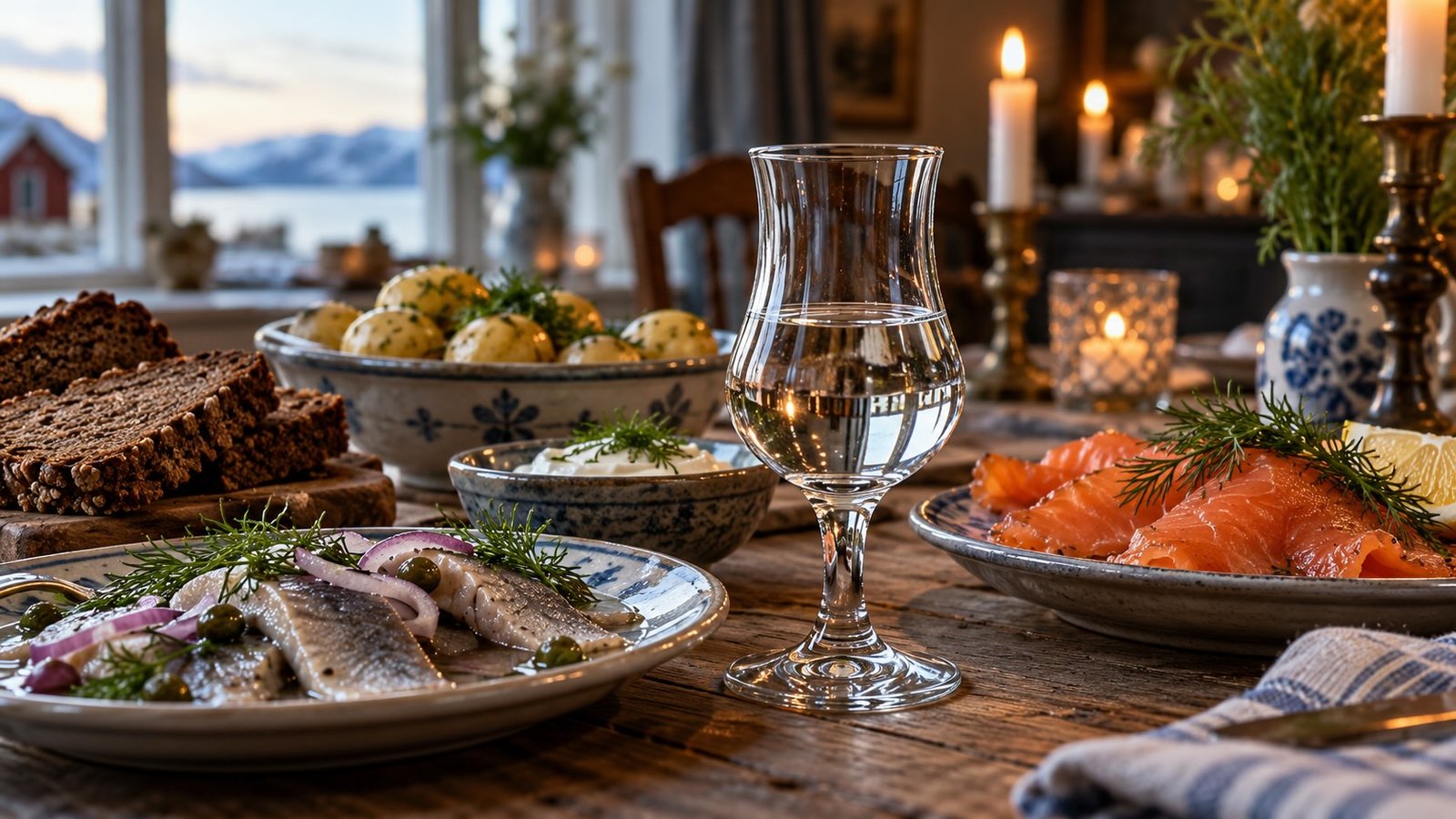
Aquavit’s relationship with food is considerably less mysterious. Its assertive flavours complement dishes that might overwhelm a delicate wine. Pickled herring, smoked salmon, gravlax, cured meats, rye bread and rich cheeses all make regular appearances alongside it. In Denmark, aquavit traditionally accompanies smørrebrød lunches, particularly when herring occupies the bread. Swedish celebrations provide another setting. At Midsummer, Christmas and crayfish parties, people enjoy small glasses of aquavit alongside communal drinking songs. These songs, known as snapsvisor, often celebrate the approaching drink with affection and cheerful disregard for moderation. Scandinavia has produced some of the world’s most orderly societies. Evidently, it sees no contradiction in occasionally interrupting dinner to sing about spirits.
Serving temperatures provide another source of regional disagreement. Danes and Swedes often serve clear aquavit well chilled, sometimes directly from the freezer. Cold temperatures soften the alcohol’s sharpness and make the drink feel particularly crisp. Norwegians generally prefer their aged aquavit at cellar temperature or slightly cooler. This allows the oak-derived aromas to emerge. Drinking expensive barrel-aged aquavit straight from the freezer would be rather like refrigerating a good cognac until it could barely express an opinion. People generally serve aquavit in small glasses, enjoying it with food and conversation rather than treating it as a test of human endurance.
For much of its history, aquavit occupied an uneasy position between medicine, everyday consumption and social concern. As distilling expanded, spirits became increasingly accessible, creating serious problems with excessive drinking. Scandinavian governments responded with changing taxes, alcohol regulations and sales restrictions. Norway even experimented with prohibition during the 1920s, restricting spirits and creating diplomatic complications with wine-exporting countries. Aquavit survived these political experiments and gradually settled into its modern role as a traditional speciality. Its old medical reputation has proved less durable. Although caraway and other herbs have long histories in digestive medicine, drinking aquavit offers no established digestive benefit that outweighs the risks of alcohol.
Outside Scandinavia, aquavit has attracted attention from bartenders interested in spirits with distinctive botanical flavours. Its savoury character works particularly well in cocktails that traditionally use gin or vodka. An aquavit Martini, for example, introduces caraway and dill to the familiar combination of spirit and dry vermouth. Aquavit also pairs with tonic, grapefruit, cucumber and citrus, although recipes benefit from restraint. Too many competing ingredients can produce something resembling an overambitious herb garden. The best combinations recognise that aquavit already possesses considerable flavour. It hardly needs a committee of additional botanicals to make itself heard.
Aquavit’s appeal also comes from its close relationship with Scandinavian food culture. It did not begin as a glamorous drink for elaborate cocktail bars. Instead, it became part of preserved fish lunches, cold-weather meals, seasonal celebrations and the practical business of enjoying other people’s company. Its flavours echo the herbs and spices of northern European cooking, while its customs reflect the pleasures of shared meals. Even Norway’s tradition of shipping barrels across the equator adds an improbable geographical twist to a distinctly northern drink. Aquavit may have begun as the supposed water of life, but its enduring achievement is simpler. It has persuaded generations of Scandinavians that a plate of herring is an excellent reason to raise a glass.