Witchetty Grub: Australia’s Most Surprising Delicacy
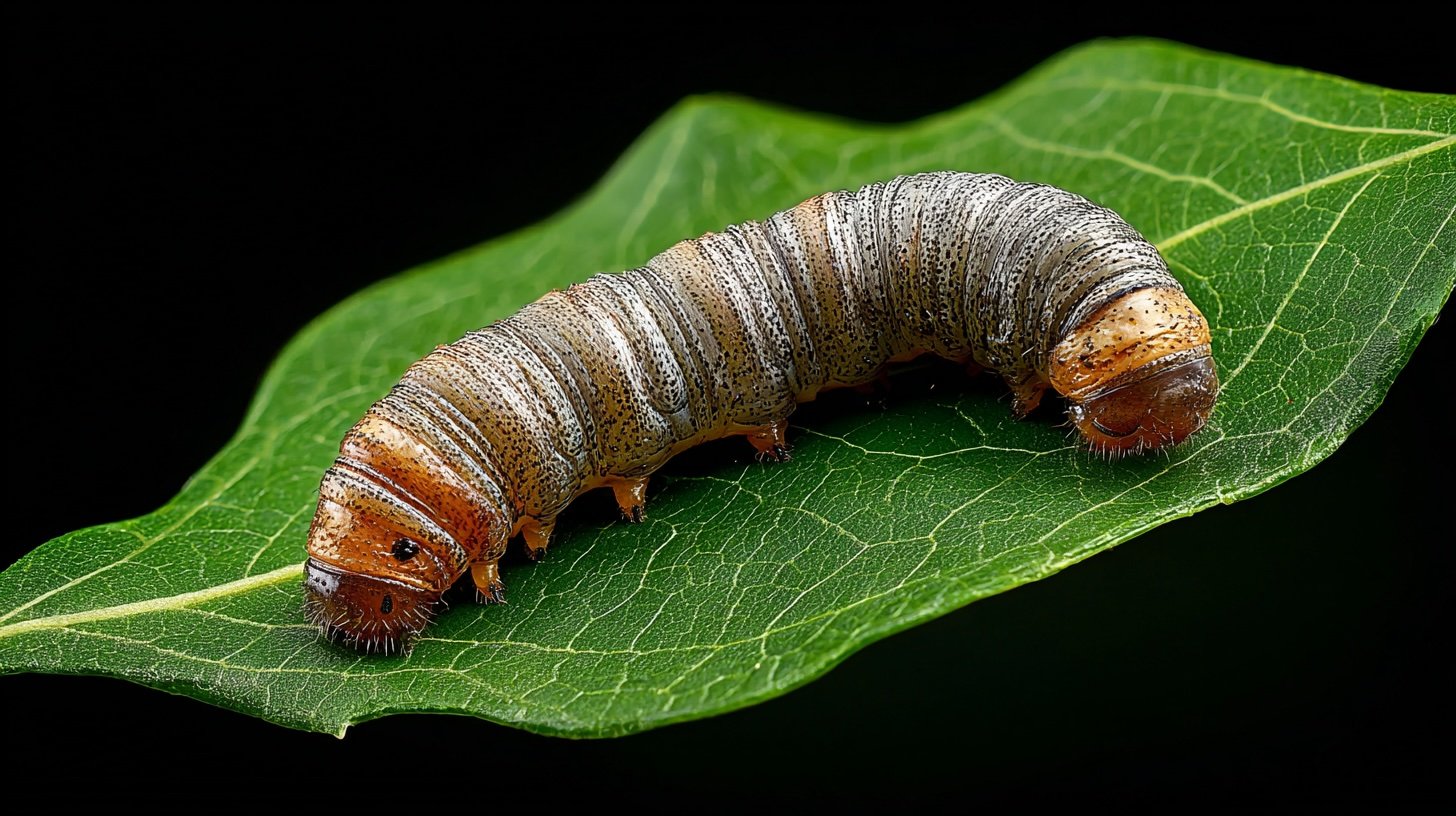
Witchetty grub sounds like the name of a character from a children’s book, perhaps a shy creature who lives under a mushroom and collects acorns. Reality feels slightly less whimsical and far more chewy. Australia has a habit of serving the world creatures that test one’s confidence, and this plump, ivory-coloured larva sits proudly on that list. It wiggles in the very calm, very unfussed way of something that has absolutely no idea it will become lunch. Its story stretches far beyond daring backpacker challenges; it belongs to the deep culinary traditions of Indigenous Australians, who treated it not as a novelty but as dependable nourishment.
Witchetty grub grows inside the roots of the witchetty bush, a tough acacia that has perfected the art of surviving the merciless centre of Australia. You might walk past one without noticing it hides a treasure underground. People who know this landscape treat the search a bit like spotting clues in a desert detective story: subtle cracks in the soil, slight discolouration near the roots, the kind of signs only a trained observer recognises. Then the digging begins. The grub appears, smooth and firm, with a head that looks like a polished bead. It does not resist. It simply exists, which makes the whole moment feel strangely philosophical.
Bush tucker gets described as rugged or ancient, but here it becomes surprisingly elegant. The grub carries an extraordinary amount of protein and fat—practical energy in a place that makes supermarkets look like a dream. Raw or cooked, it delivers flavour rather than shock value. Many first-time descriptions follow the same pattern: anticipation, hesitation, surprise. Raw, the texture recalls a firm grape with almond undertones. Cooked, the exterior crisps into something delightfully savoury while the inside turns creamy, almost like chicken mixed with scrambled egg. You finish chewing while your brain whispers that the experience should have been far stranger.
Desert life thrives through knowledge. Aboriginal communities have long understood which bushes harbour the fattest larvae, when they grow to the ideal size, and how best to prepare them. This isn’t a foraging free-for-all. The process links to seasonal rhythms, traditional stories, and the broader relationship between people and land. Taking a grub meant respecting the plant, the ecosystem, the timing. Nothing about it felt frivolous. The grub offered nutrition; in return the land received careful stewardship.
Modern Australia approaches witchetty grub with a mix of fascination and theatrical bravado. Television survivalists hold them up like trophies. Tour operators present them to visitors who want a bold anecdote. Markets occasionally feature them as exotic snacks. Yet under all the spectacle hides the quieter truth that Aboriginal communities had mastered sustainable protein sourcing long before the concept filled eco-friendly reports. The grub grows where livestock refuse to go, requires no feed besides its root home, and appears exactly when the local ecosystem wants it to.
The grub’s fame grew beyond the desert partly because of its name. Witchetty sounds spell-like, whimsical, slightly absurd. You say it out loud and immediately picture something wearing a tiny hat. That charm helps soften the idea for nervous eaters. Curiosity steps forward before fear. Then comes the discovery that the larva doesn’t taste extreme or challenging. It tastes like food. The whole experience makes you realise that shock often lives in the imagination rather than on the plate.
Cooking methods range from simple to ceremonial. Roasting in ash gives the skin a gentle crackle. Pan-frying in a film of oil produces a richer, deeper flavour. Skewering over an open flame creates golden blisters that crunch with enthusiasm. Some people slice them open, letting the interior bubble like molten custard. Others prefer the clean, soft taste of the raw version. Arguments erupt occasionally about which method wins, though everyone eventually agrees that freshness matters most.
Nutritional profiles rarely start conversations at dinner parties, yet this larva forces a reconsideration. High-quality protein, healthy fats, density of micronutrients—nutritionists could write odes. Researchers investigating sustainable future food often mention insects, then point to the grub as a working example of what responsible edible entomology can look like. Farming it commercially proves difficult because the larvae rely so heavily on the witchetty bush root system, but the concept remains alluring. Imagine a world where climate-resilient foods grow in harsh places with minimal fuss. Australia already has that world; it just looks slightly chunky and wiggles.
Cultural meaning surrounds the grub with layers of respect. Certain communities used it ceremonially, others as a staple during particular seasons. It represented reliability in a landscape that tests every living thing. Its collection brought groups together, creating moments of teaching, sharing, and storytelling. Outsiders often reduce bush tucker to quirky trivia, yet for many people this knowledge connects directly to identity and history. Understanding the grub means understanding that food can be knowledge, legacy, and survival at once.
Visitors who try it often come away with two conclusions. First, the grub does not resemble the fearsome challenge they expected. Second, they feel slightly proud for having crossed an imaginary threshold. Fear dissolves into amusement, then satisfaction. You start to realise how often Western food culture draws arbitrary lines around what counts as acceptable. People eat snails, frogs, and cheeses with aromas loud enough to start their own band, yet somehow a desert larva attracts far more dramatic reactions.
Conversations about the grub also raise wider questions about sustainability and cultural respect. Food systems around the world face pressure, and Indigenous practices offer insights shaped by thousands of years of lived experience. A grub suddenly becomes a symbol of broader themes: how humans adapt, how knowledge passes between generations, how landscapes dictate cuisine. You take a moment to appreciate that the grub’s role extends beyond the plate.
Then comes the unavoidable modern twist: social media moments where someone bites into a witchetty grub for comedic effect. These clips generate millions of views while missing the heart of the story. The grub becomes a prop rather than part of a cultural tradition. The spectacle entertains, certainly, but it rarely educates. The real value sits in the context—why the grub mattered, who understood it first, and how it sustained communities across harsh seasons.
People curious about tasting one today can find guided tours in parts of the Northern Territory and central Australia. Knowledgeable guides explain the process, the history, the plants. They show how to spot the indicators of a hidden larva. They treat the experience with respect. The mood feels less like a dare and more like a small window into local culture. You leave with dusty shoes, sticky fingers, and a sense that you’ve learned something genuinely rooted in place.
A strange thing happens after trying the grub. You start noticing how many foods rely on appearances to shape their reputations. Some fruits look spectacular and taste bland. Some dishes appear modest yet burst with flavour. Witchetty grub occupies that latter category. It doesn’t look like the start of a culinary revelation, but it becomes a quiet reminder that good food often surprises the willing.
People ask whether the grub might one day become a global delicacy. The honest answer leans toward no, simply because harvesting requires deep ecological awareness rather than industrial scalability. That limitation protects the tradition. It keeps the practice connected to land rather than turning it into a novelty supply chain. The grub remains firmly Australian, firmly local, firmly tied to its plant, its climate, its custodians.
Something lovely hides in that restraint. Not every ingredient needs to become a global trend. Some foods endure precisely because they resist mass adoption. Witchetty grub fits that pattern. It thrives in the stories people pass along, the lessons embedded in Indigenous knowledge, the laughter of adventurous eaters who discover it tastes far nicer than expected. It sits quietly at the crossroads of archaeology, ecology, cuisine, and folklore.
Stand in the desert at dusk and the landscape transforms into long gold shadows and brittle silence. This is the true home of the grub. The plant roots dig deep, the soil hides secrets, and the air carries whispers from people who learned to live here long before cities rose on the coast. The desert teaches that survival depends on awareness, patience, and humility. A tiny larva embodies that wisdom. It nourished bodies and anchored traditions. Now it invites the rest of the world to reconsider what food means.
Curiosity leads people to the grub for many reasons: adventurous palates, respect for Indigenous culture, interest in sustainable proteins, or simple culinary mischief. Every visitor walks away with a slightly different story, though most share one detail: the surprise that something so unassuming could taste so pleasant. Preconceptions break down quickly when reality offers a warm, nutty bite.
Witchetty grub sits in that beautiful space where cuisine intersects with identity, environment, resilience, and heritage. It reminds us that food can be both humble and profound. You chew, swallow, smile, and realise that the world holds far more edible wonders than supermarkets will ever display. The grub has done its job, quietly and confidently, just as it always has.