Winter Cough: Why Old Remedies Still Compete with Modern Medicine
Winter cough arrives quietly, then overstays its welcome. One day it is a mild throat tickle, the next it has opinions about meetings, meals, and sleep. Gradually, it interrupts conversations, announces itself in quiet rooms, and lingers long after the cold that caused it has packed its bags. In Britain especially, winter cough feels less like an illness and more like a seasonal background noise, as predictable as grey skies and damp pavements.
Most winter coughs begin with a viral infection. Typically, colds, flu, and their many relatives irritate the upper airways, inflame the throat, and leave the cough reflex on high alert. By the time the fever fades and the runny nose retreats, the cough often remains, either dry or chesty, productive or purely theatrical. At that point, people start experimenting. Consequently, honey comes out, steam kettles hiss, syrups line the bedside table, and lozenges rattle in coat pockets.
Coughing itself is not the enemy. Instead, it is a defensive reflex designed to clear irritants and mucus from the airways. The trouble starts when that reflex becomes hypersensitive. Then, cold air, talking, laughing, or lying flat can trigger coughing fits long after the original virus has stopped causing trouble. As a result, winter cough can feel disproportionate to how ill you actually are.
Long before pharmacies existed, people reached for what they had. For centuries, honey appeared in medical texts from ancient Egypt to Greece. It was valued not just as food but as medicine, used on wounds, sore throats, and infections. That legacy survives for a reason. Honey is thick, soothing, and coats the irritated lining of the throat. Moreover, it encourages saliva production, which dampens the cough reflex. It also tastes reassuringly familiar.
Modern research has not embarrassed honey. In controlled trials, especially in children over the age of one, honey consistently reduces cough frequency at night and improves sleep. Importantly, it does not shorten the duration of infection, but it makes the nights bearable. That alone explains its enduring popularity. There is a catch, though. Honey should never be given to infants under one year old due to the risk of botulism, a rare but serious complication. Beyond that age, it remains one of the few remedies that sits comfortably between tradition and evidence.
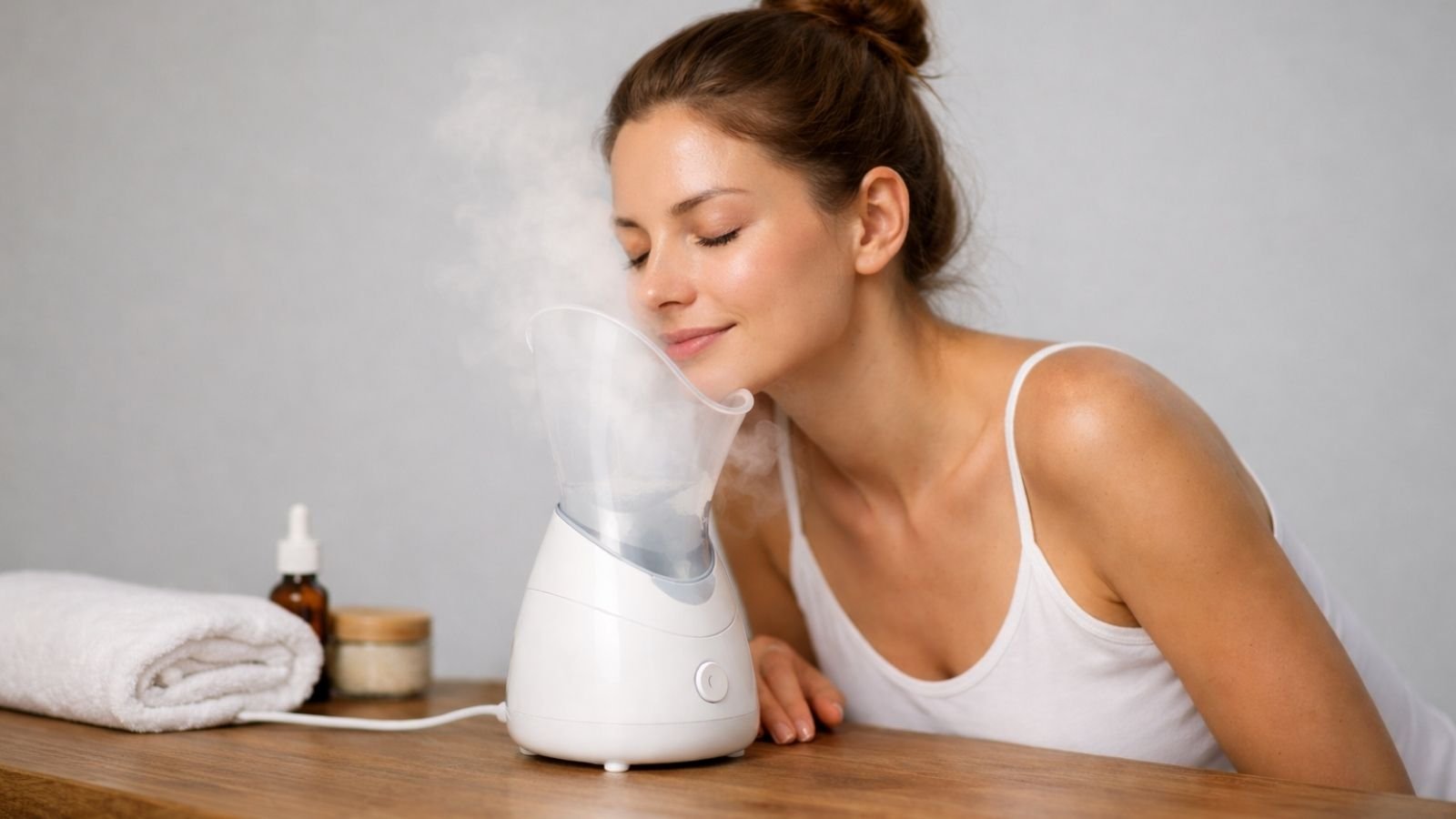
Steam inhalation feels equally ancient. Visually, the image is almost cinematic: a bowl of hot water, perhaps scented with eucalyptus, a towel draped overhead. It feels purposeful. Warm, moist air can loosen nasal congestion and soothe irritated passages. However, when researchers measure outcomes, steam performs modestly at best. It does not reliably shorten cough duration or clear infection. Instead, what it offers is comfort. The warmth relaxes muscles, the moisture eases dryness, and the ritual encourages slow breathing and rest.
There is also risk. Unfortunately, scalding injuries from steam inhalation are not rare, particularly in children. For that reason, many clinicians now recommend gentler alternatives, such as a warm shower or a properly regulated humidifier. These options preserve the comforting aspects without turning the kitchen into a minor hazard.
Cough syrups dominate the modern response to winter cough. Walk into any pharmacy and the bottles promise relief in neat categories: dry cough, chesty cough, night-time cough. Inside, the ingredients vary widely. Some contain dextromethorphan, which suppresses the cough reflex in the brain. Others rely on expectorants designed to thin mucus. Meanwhile, many include antihistamines, often because they make you drowsy rather than because they treat the cough itself.
The evidence behind these syrups is mixed. For some people, there is modest relief, particularly adults using cough suppressants for short periods. For others, there is little difference at all. Repeated reviews show that many syrups perform no better than placebo for acute viral coughs. That sounds damning until you remember what placebo really means. In reality, it means expectation, ritual, texture, and taste all play a role in symptom relief.
The base of most syrups is sugar or glycerol. As a result, these ingredients coat the throat in much the same way honey does. They soothe irritation and temporarily quiet the cough reflex. In practice, the soothing vehicle often matters more than the active drug. Consequently, people swear by particular brands even when the pharmacology is unremarkable.
Lozenges take a quieter approach. They rarely claim miracles. Instead, they stimulate saliva production, keep the throat moist, and reduce that maddening tickle that triggers coughing fits during conversations. Medicated lozenges may include mild local anaesthetics or menthol. Menthol creates a sensation of improved airflow, even though it does not actually open the airways. Once again, perception does some of the work.
For many winter coughs, lozenges are surprisingly practical. They are portable, low-risk, and particularly helpful for throat-based irritation rather than deep chest congestion. They do not cure anything, but they make daily life more tolerable.
Warm drinks occupy an interesting middle ground between remedy and ritual. Tea, hot water with lemon, broths, and spiced infusions all feature heavily in winter cough folklore. Their benefits are not mysterious. First, warmth soothes the throat. Second, hydration thins secretions. Finally, the act of slowing down with a hot mug encourages rest. None of this eradicates a virus, but it changes how the illness feels.
Hydration is often underestimated. When you are dehydrated, mucus thickens and becomes harder to clear, provoking more coughing. Therefore, drinking regularly keeps secretions looser and coughs less violent. In winter, when indoor heating dries the air and thirst cues weaken, dehydration sneaks up quietly.
Modern medicine becomes more relevant when cough is not simply viral. For example, asthma can present as a chronic or recurrent cough, particularly in cold weather. In those cases, inhaled bronchodilators and steroids are genuinely effective. Similarly, gastro-oesophageal reflux can irritate the throat and trigger coughing, especially at night. Addressing acid production can transform symptoms that no amount of honey ever will.
This distinction matters. After all, cough is a symptom, not a diagnosis. A winter cough that lingers beyond a few weeks, worsens rather than improves, or comes with breathlessness, chest pain, fever, or blood deserves medical assessment. Self-treatment has limits, and recognising them is part of sensible care.
The environment plays a supporting role. Dry air irritates inflamed airways, making coughs more persistent. Central heating, common in winter, strips moisture from indoor air. Consequently, humidifiers, used correctly, can help restore balance. Even simple measures, such as ventilating rooms or placing water near heat sources, can reduce dryness.
Smoke exposure also aggravates cough. Whether from cigarettes, vaping, or wood-burning stoves, irritants concentrate indoors during winter. As a result, avoidance is one of the least glamorous yet most effective interventions available.
There is also a psychological layer to winter cough treatment that rarely gets discussed openly. Being unwell invites care, routines, and pauses that everyday life resists. The act of preparing a remedy, taking a syrup, or sipping a familiar drink creates a sense of agency. That matters because stress and fatigue amplify cough reflex sensitivity, whereas comfort dampens it.
This is where placebo stops being an insult and starts being a feature. In conditions driven by sensation and reflex, belief and expectation alter experience. If a remedy helps you sleep, reduces anxiety, or encourages rest, it contributes to recovery even if it does not attack the virus directly.
Old remedies persist not because people are naive, but because they address human needs that medicine sometimes overlooks. Honey soothes. Steam comforts. Warm drinks slow you down. Together, these interventions treat the experience of illness, not just the biology.
Modern products, for their part, offer consistency and convenience. A measured dose, clear instructions, and predictable effects have value. The problem arises when marketing promises more than physiology can deliver. No syrup can erase a viral cough overnight, no matter how glossy the label.
Ultimately, time remains the most reliable treatment for winter cough. The immune system clears the virus, inflamed tissues heal, and the cough reflex gradually resets. Most remedies simply aim to make that waiting period less disruptive.
Seen this way, the debate between old remedies and modern medicine softens. It is not a contest with a winner. Instead, it is a toolkit. Honey for nights when sleep matters. Lozenges for meetings that require speech. Steam or warm showers for comfort. Syrups when their sedative or suppressive effects genuinely help. Medical treatment when symptoms suggest something more complex.
Winter cough has a habit of humbling expectations. It resists dramatic cures and ignores confidence. Instead, it responds to patience, hydration, warmth, and rest. That may not be exciting, but it is honest.
In the end, the most effective winter cough treatment is often a combination of modest interventions applied thoughtfully. Respect the cough as a signal, soothe it where possible, and know when to seek help. Everything else is seasoning.
Winter will return next year, as it always does. So will the coughs. When they do, the choice is not between folklore and science, but between frustration and informed comfort.