Why Winter Comfort Food Looks the Same Everywhere
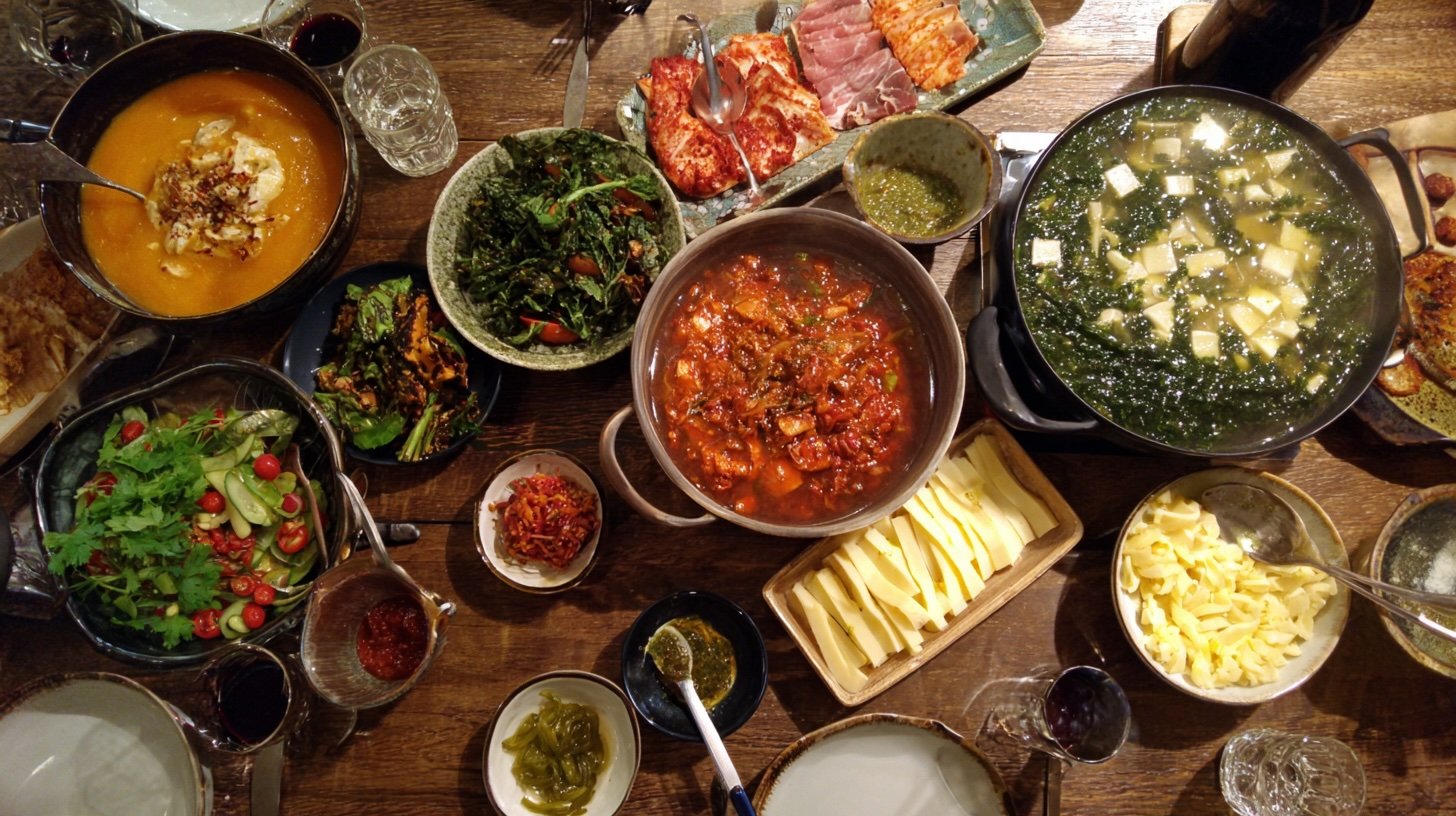
Winter has a way of narrowing human choices. As days shorten and colours fade, ambition quietly scales itself back. At the table, however, something else happens. Food grows heavier, warmer, slower. Across continents and centuries, people who never met and never shared ingredients arrived at strikingly similar answers to the cold. Winter comfort food is not a trend or a mood. Instead, it is a survival pattern that learned how to taste good.
During cold months, variety suffers. Historically, fresh produce shrank, travel slowed, and preservation stopped being optional. Consequently, winter cooking evolved to reward patience rather than novelty. Pots simmered for hours. Fermentation ticked along in cellars. Fat stopped being decorative and became functional. From this constraint emerged a global language of comfort that still speaks fluently today.
Fermentation sits at the centre of that language. Long before probiotics became a marketing category, people understood that fermented food made winters easier to endure. In Korea, kimchi fermentation took place in heavy earthenware jars buried in the ground. Because soil and snow created stable temperatures, cabbage, radish, chilli, and garlic transformed slowly. The result cut through winter heaviness rather than adding to it. Sourness sharpened appetite, while spice created internal heat. Fermentation kept vegetables relevant when fields lay dormant.
Across Europe, the same instinct surfaced. Sauerkraut, kvass, pickled cucumbers, and sour soups filled winter tables from the Baltic to the Balkans. These foods did not aim for indulgence. Instead, they kept digestion moving when diets leaned heavily on starch and preserved meat. Moreover, they added brightness to meals that might otherwise collapse into beige repetition. Winter comfort, it turns out, does not always mean softness. Sometimes, it means balance.
Fat plays a different role altogether. In winter, fat becomes reassurance. Alpine cultures understood this well. Cheese fondue, for example, looks communal and playful, yet it remains fundamentally pragmatic. Melted cheese delivers concentrated calories, warmth, and salt in a form that encourages people to gather and linger. In regions where winter once isolated households, shared meals mattered as much as the nutrients themselves.
France offers a similar lesson through dishes like duck confit. Cooking meat slowly in its own fat was preservation first and pleasure second. Over time, however, the pleasure stuck. Confit tastes like patience rewarded. It carries the memory of kitchens where time was available, even when resources were not. In winter, that memory still feels relevant.
Soups and stews form the backbone of winter comfort food everywhere. They succeed because they adapt easily. Whatever survived the season could become nourishment once submerged in hot liquid. In Peru, chupe soups combine potatoes, maize, cheese, and sometimes seafood, reflecting high-altitude cold and agricultural reality. There, density matters. Lightness does not.
In Eastern Europe, borscht brings together beets, cabbage, root vegetables, and acidity. It warms without dulling the palate. Meanwhile, in Vietnam, pho emerged as a way to extract maximum value from bones through long simmering. Even in milder climates, winter cooking leans towards broths and stocks because heat, aroma, and repetition soothe the nervous system as effectively as they feed the body.
Beyond nutrition, winter comfort food follows a rhythm modern life often forgets. Many traditional dishes improve with time. Ribollita in Italy literally means reboiled. Yesterday’s soup becomes today’s dinner, thicker, deeper, and more forgiving. This is not culinary laziness. Rather, it is efficiency and wisdom disguised as frugality.
Japanese nabe hot pots follow a similar logic. They return week after week through winter, changing slightly depending on what is available. Here, ritual matters more than variation. Ingredients cook at the table, steam fogs the air, and conversation slows to match the pace of the meal. Winter comfort, in this context, becomes collective.
In Britain, winter comfort food tends to apologise for itself. Stews, pies, and puddings arrive with self-deprecating humour, as if richness required justification. Yet these dishes persist because they work. They make dark evenings tolerable. They reward early sunsets with something to anticipate. Above all, they anchor the day when weather removes other pleasures.
What unites these traditions is not flavour but intent. Winter comfort food is designed to stay with you. It fills the stomach, certainly, but it also occupies time and attention. Long cooking processes create structure in days otherwise defined by darkness and cold. Meals become events rather than interruptions.
Although modern refrigeration and global supply chains weakened the practical need for seasonal eating, the instinct remains stubborn. Supermarkets may offer strawberries in January. Even so, few people crave them when frost coats the pavement. Instead, bodies ask for warmth, fat, salt, and familiarity. Culture follows biology, even when it pretends not to.
Memory also plays its part. Winter comfort food often tastes like childhood because it coincided with periods when families stayed indoors together. School holidays, long evenings, and shared meals created emotional associations that outlasted the original conditions. As a result, a bowl of soup can still trigger a sense of safety decades later.
Interestingly, winter comfort food rarely aims to impress. Presentation takes a back seat. Complexity hides in process rather than plating. These dishes trust time more than technique. That trust helps explain their endurance in an age obsessed with speed.
Fermented foods, fatty dishes, and warm soups all signal abundance during scarcity. They tell the body that resources exist, that energy will last, and that cold is temporary. Across cultures, winter cooking acts as reassurance made edible.
Contemporary food trends continue to circle back to these ideas. Bone broth rebranded itself. Fermentation workshops fill urban kitchens. Slow cooking regained status after decades of convenience food dominance. None of this is new. Instead, memory keeps resurfacing under fresh names.
Winter comfort food also resists optimisation. It does not perform well in five-minute recipes or single-serve packaging. Instead, it prefers pots, batches, and leftovers. It assumes tomorrow exists and plans accordingly. In that sense, it quietly pushes back against constant immediacy.
Climate, history, and geography shape the details, yet the pattern repeats. Cold encourages preservation. Preservation encourages patience. Patience creates depth. Depth becomes comfort.
As winters grow less predictable and more psychologically draining than physically threatening, comfort food adapts again. The danger is no longer starvation but exhaustion and overload. Warm, repetitive meals counter that too. They slow decisions, narrow focus, and soften the edges of abundance.
Across cultures, winter comfort food remains one of humanity’s most consistent inventions. It asks little and gives a great deal. Rather than promising transformation, it promises to carry people through the season intact.
Cold still arrives every year. Humans everywhere still answer it with heat, fat, fermentation, and time. The map changes. The instinct does not.