Why Monogatari Strangeness Made It a Global Cult
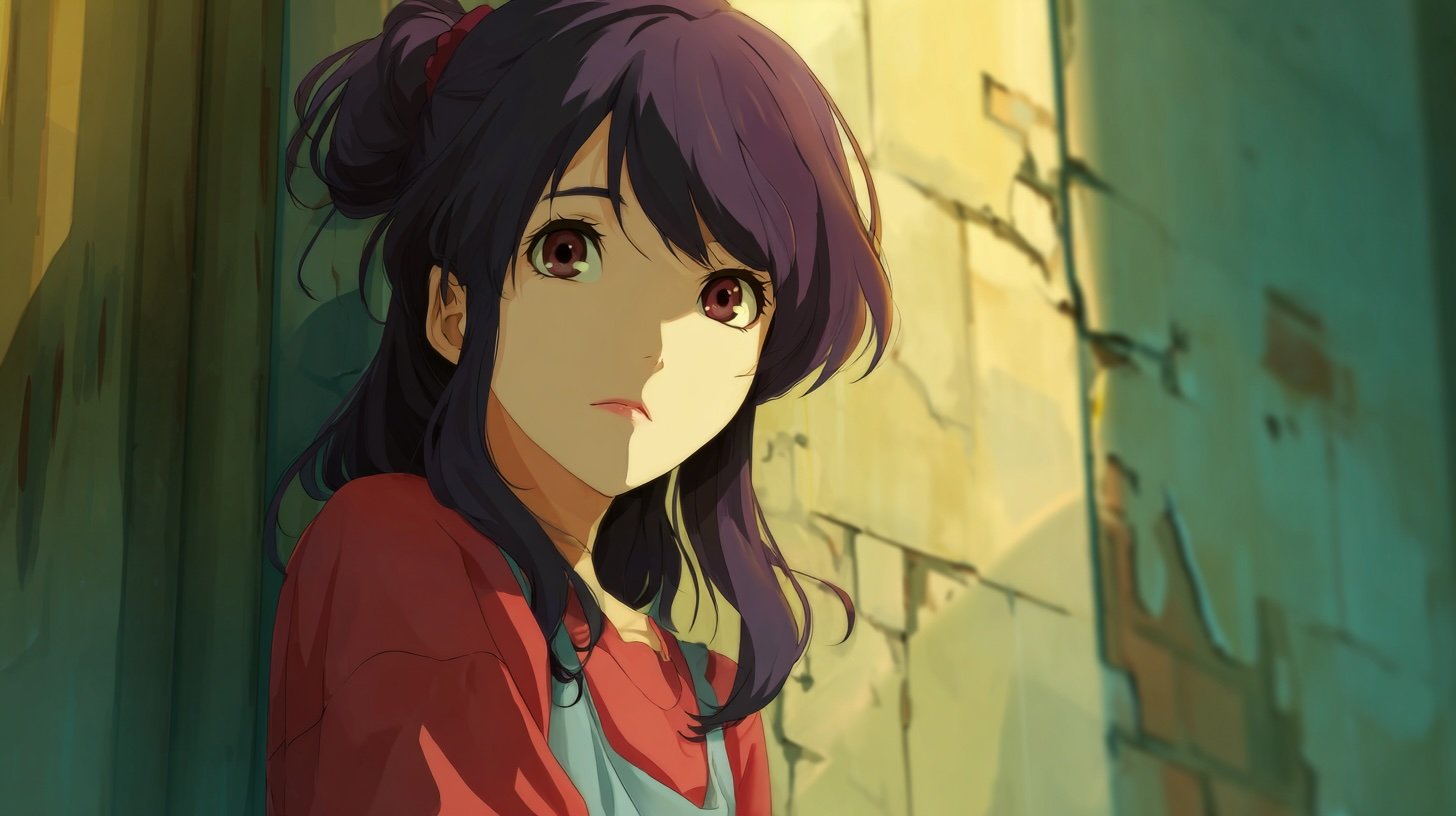
Monogatari never even pretended to chase mainstream fame. It walked into the room wearing mismatched shoes, spoke in riddles, threw some kanji across the screen for dramatic flair and sauntered out, leaving only the confused and the converted behind. Naturally, the confused fled. The converted built a cult.
The dialogue caused the first casualties. Most shows offer lines you can follow while making tea. Monogatari throws sentences like fastballs, expecting you to catch every pun, philosophical tangent and emotional landmine without blinking. Casual viewers clutched their heads. Others leaned in, delighted by the linguistic chaos. Nothing builds devotion quite like a story that threatens to outpace your literacy.
Then the visuals arrived, and even braver viewers reconsidered life choices. SHAFT’s direction refused to behave. Scenes snapped into geometric cuts, characters stood in vast empty spaces that looked borrowed from an avant‑garde gallery, and entire conversations played out while the background changed mood every eight seconds. Anyone hunting for realism ended up stranded. Those who enjoy experimental art felt right at home, as though they’d stumbled into a moving installation piece with occasional jokes.
Cult success thrives on friction, and Monogatari carries enough of it to sand a table. The tone somersaults from comedy to existential despair without warning. Emotional breakthroughs hide inside wordplay dense enough to qualify as sport. The oddities behave less like monsters and more like heavily metaphorical mirrors waving hello from the corner. Viewers wanting clear rules or easy battles quietly left the party. Viewers who enjoy a puzzle stayed and brought biscuits.
Its relationship with time only added to the mystique. Most series hold your hand through the plot. Monogatari hands you a jigsaw missing half the picture and wishes you luck. Arcs shuffle themselves around the timeline, narrators contradict each other and backstories appear after you’ve already formed an opinion. Finishing a season feels less like watching television and more like surviving an escape room. Fans love it because the effort feels like membership.
The romance in the middle of all this mayhem didn’t try to be charming either. Araragi and Senjougahara built their relationship on sarcasm, negotiation and emotional whetstones sharp enough to leave sparks. No sweeping Hollywood gestures, just two oddly matched people trying to communicate without combusting. It’s not the sort of romance that melts hearts, but it does attract readers who prefer their love stories with splinters.
Interpretation became the fandom’s love language. Every oddity symbolised a different emotional knot. Every arc hinted at cultural subtext. And, every episode left gaps large enough for essays, arguments and five-hour YouTube analyses. Instead of holding your hand, the show hands you homework, and some viewers adore that. Mainstream hits usually tie up their threads. Cult favourites leave loose ones so the audience can feel clever.
Outside Japan, the story spread like all good cult phenomena: quietly, through whispers, recommendations and suspiciously passionate online posts. No flashy marketing campaign, just people insisting you must watch this baffling, brilliant thing immediately. The cultural nuances didn’t get watered down for international viewers either, which saved it from becoming fast food and instead turned it into a dish you either savour or send back.
Monogatari also hit the global stage when anime fans started craving titles that weren’t just action‑heavy or teen‑melancholy. Here was a series that managed to be intellectual without acting superior, funny without being silly, moody without collapsing into misery. It filled a gap that viewers didn’t know they had: something stylishly strange that respected their brain.
The rewatch factor sealed its status. The more you rewatch, the more you realise you understood approximately 3% the first time. On round two, you catch the subtext. On round three, you spot the symbols. Eventually, you start seeing connections that may or may not exist, which is exactly how a fandom cements itself. A mainstream hit wears out with repetition. A cult classic practically demands it.
Its themes didn’t hurt either. Everyone recognises insecurity, guilt, adolescent panic and the fragile business of becoming an adult. Monogatari just chose to express those themes through supernatural metaphors, stylish banter and emotional whiplash. It treated adolescence with a mixture of seriousness and irony that felt refreshing compared with more melodramatic stories.
Most importantly, the series never softened its edges. It didn’t adjust itself for broader appeal. It didn’t apologise for its quirks. Instead, it doubled down, season after season, on being delightfully odd. That kind of stubbornness often scares mainstream audiences but wins lifelong loyalty from those who enjoy feeling like they’ve found something secret.
In the end, Monogatari became a global cult precisely because it refused to behave. It stayed strange, stylish and proudly confusing. It found its people by trusting that some viewers actually like their stories thorny, wordy and unpredictable. Mainstream success fades. Cult classics linger, whispered about by fans who still feel slightly smug about surviving their first watch.