Why Hōjicha Feels Like the Tea the World Was Waiting For
Hōjicha has never tried to impress anyone. It does not glow green, nor does it promise enlightenment, antioxidants, or discipline. Instead, it smells like toasted grain, warm wood, and the last minutes of an afternoon when nothing urgent remains. For decades in Japan, it lived firmly in the background, poured casually after meals, offered to guests without comment, and brewed for children and grandparents alike. Now, slightly improbably, it is stepping into global café menus as if it had always planned this moment.
The timing makes sense. Matcha arrived with theatre. Whisks, bowls, powders, rituals, and an entire vocabulary of purity followed it across continents. For a while, that intensity felt exciting. Gradually, however, it became exhausting. Every drink turned into a statement. Every cup carried expectations. By contrast, hōjicha arrives as relief. It asks nothing. It tastes like calm.
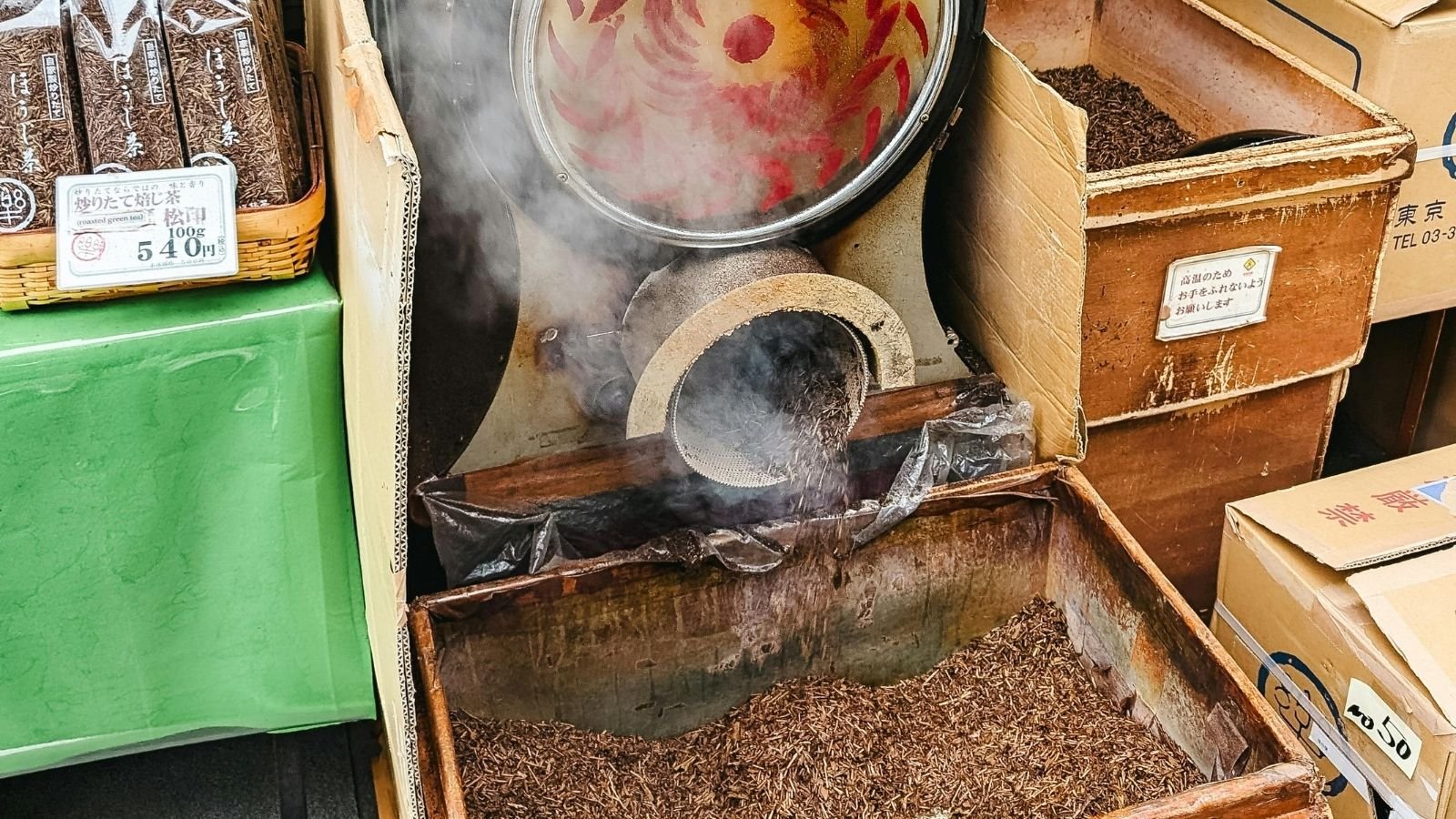
At its simplest, hōjicha is green tea that has been roasted. Leaves, stems, or twigs are heated at high temperature, usually over charcoal or gas, until they turn brown and aromatic. That single step changes everything. The sharp vegetal notes typical of green tea disappear. In their place come flavours associated with comfort rather than alertness. Think nuts, toast, caramel, and sometimes even a hint of cocoa. As a result, the colour deepens, the aroma softens, and the caffeine drops.
Historically, hōjicha began as a practical solution rather than a refined idea. In the early twentieth century, tea merchants in Kyoto started roasting leftover bancha leaves and stems that could not compete with premium sencha or gyokuro. Roasting improved their taste and extended their usefulness. What emerged was affordable, forgiving, and pleasant. Not prestigious, but dependable. Consequently, it became a household staple rather than a symbol.
That lack of prestige now works in its favour. Hōjicha carries none of the pressure that surrounds Japanese tea culture in the global imagination. There is no ceremony to imitate, no technique to master, and no purity to defend. Brew it strong or weak, depending on mood rather than rules. Drink it hot or cold, without worrying about correctness. Add milk if you like, or leave it plain. Either way, it remains itself.
Cafés noticed this flexibility quickly. As menus broadened beyond coffee, operators needed alternatives that did not overwhelm customers or baristas. Matcha required explanation and equipment. Herbal teas often lacked depth. Meanwhile, hōjicha slotted neatly into the gap. Brewed traditionally, it feels like tea. Steamed with milk, it behaves like coffee without caffeine’s sharp edge. Served iced, it holds its flavour without turning thin or bitter.
The rise of hōjicha powder further accelerated its crossover appeal. Finely ground roasted leaves allow cafés to prepare drinks with the same ease as matcha lattes, but with a very different emotional tone. Hōjicha lattes look understated, almost modest. Their warm brown colour reads as grown-up rather than performative. As a result, customers tend to order them because they want them, not because they want to be seen with them.
This distinction matters more than it sounds. Food and drink trends increasingly signal attitude rather than novelty. Choosing hōjicha over matcha suggests a palate that has moved on from spectacle. It implies curiosity without urgency. In a culture tired of optimisation, hōjicha feels like opting out gracefully.
There is also a physiological dimension, although it should be treated carefully. Roasting reduces caffeine content significantly compared with most green teas. While hōjicha is not caffeine-free, it tends to sit low enough to feel evening-friendly. In addition, the roasting process produces aromatic compounds associated with cooked and toasted foods, which many people experience as soothing. That sense of calm owes as much to flavour psychology as chemistry, yet the experience itself remains real.
Wellness brands have been quick to notice this quality. Hōjicha now appears in bedtime blends, low-stimulation routines, and gentle rituals aimed at winding down rather than powering up. Unlike many wellness products, it does not need aggressive claims. Instead, its appeal rests on how it feels to drink it. Warm. Soft. Unhurried.
Even so, hōjicha resists being reduced to function. In Japan, nobody drinks it to optimise sleep or manage stress. People drink it because it tastes right at certain moments. After food. Late in the day. When conversation slows. That cultural context offers a useful corrective to overzealous marketing.
On menus, hōjicha now appears far beyond the cup. Pastry chefs use it in cakes, biscuits, and creams, where its roasted notes balance sweetness beautifully. Ice cream makers favour it for depth without bitterness. Meanwhile, cocktail bars experiment with hōjicha syrups and infusions, using it as a bridge between spirits and dessert flavours. In these settings, it behaves more like coffee than tea, yet without coffee’s dominance.
This versatility does introduce a risk. Because hōjicha lacks bitterness, it can disappear under sugar and dairy if treated casually. Poor versions taste vaguely brown rather than distinctly roasted. As popularity grows, quality differences will matter more. Leaf-based hōjicha offers more aroma and nuance than stem-heavy blends. Roast levels vary widely. Origin matters, even if nobody talks about it yet.
Another tension sits around authenticity. Hōjicha’s global rise has not been mirrored by a domestic rebranding in Japan. It remains an everyday tea there, quietly unbothered by its overseas popularity. That disconnect highlights something important. Hōjicha is not travelling because Japan decided to export it as culture. Rather, it is travelling because global tastes needed it.
Those tastes currently favour warmth over sharpness, depth over brightness, and familiarity over novelty. Brown flavours are everywhere again, from toasted grains to caramelised vegetables. Hōjicha fits neatly into this broader return to roasted comfort. It feels seasonal without being tied to a season. It works in winter mugs and summer glasses alike.
In cafés, it often sits between categories. Coffee drinkers choose it when they want a break without sacrificing richness. Tea drinkers choose it when they want softness without sweetness. That in-between quality gives it unusual staying power. It does not compete aggressively with anything. Instead, it complements.
Perhaps that is why hōjicha feels less like a trend and more like an adjustment. It reflects a shift in how people want to consume flavour. Less stimulation. Less signalling. More quiet pleasure. In that sense, hōjicha mirrors wider cultural movements towards slower rituals and understated enjoyment.
None of this suggests that matcha is disappearing. It will continue to exist, green and intense and ceremonial. Hōjicha simply offers an alternative mood. It turns the volume down. It invites you to sit longer.
In a world that has learned to associate taste with performance, hōjicha reminds us that some flavours exist purely for comfort. It does not chase attention. Instead, it waits patiently, steaming gently, until someone realises they no longer want to be impressed. They just want to drink something that feels right.
Photo by Markus Winkler