Why Coriander Meant Calm, Not Curry, for Most of History
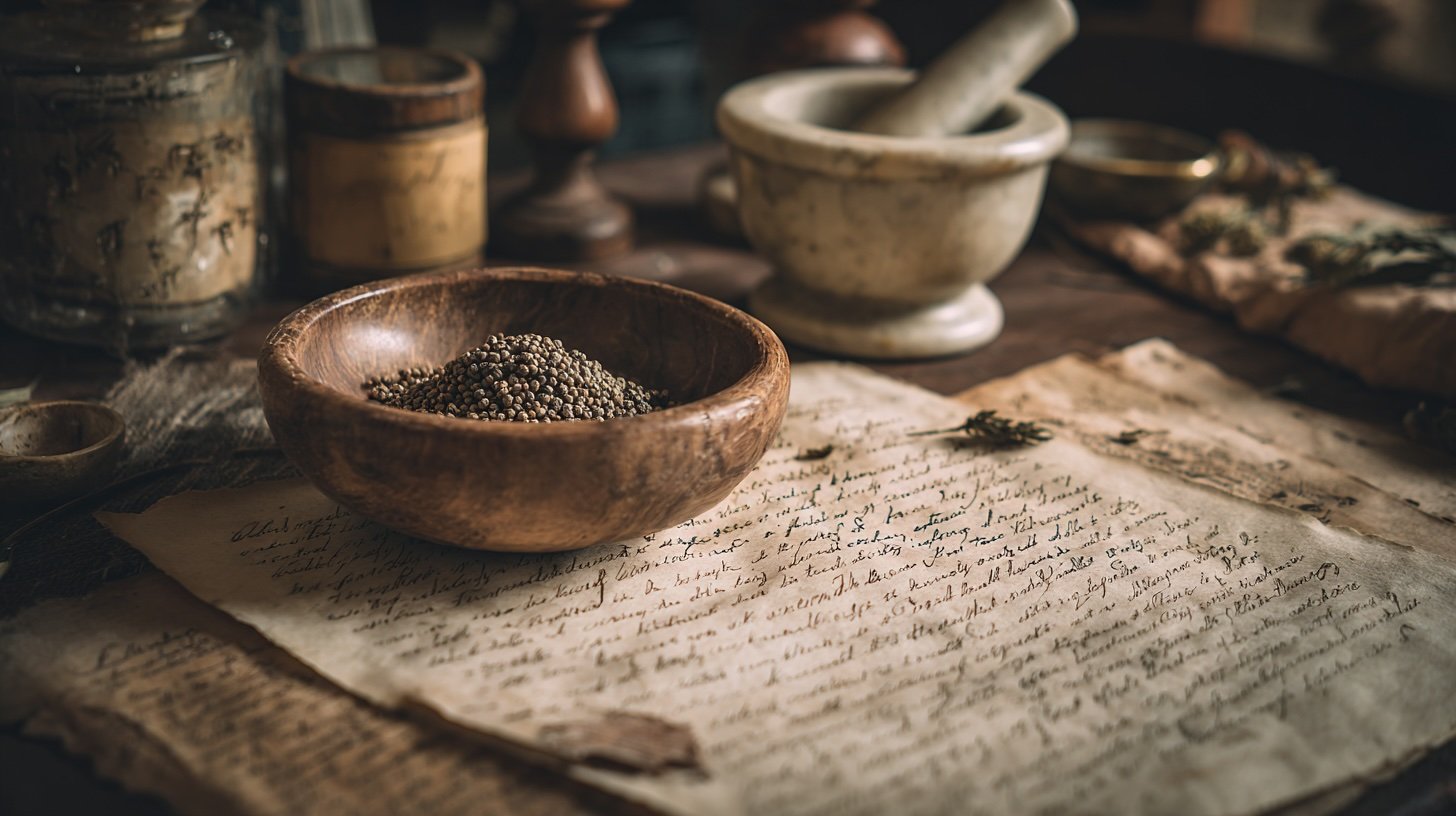
Coriander rarely announces itself. It drifts in quietly, slips into the background, then stays long after louder ingredients burn out. Today it lives in the kitchen, loved or loathed with unusual intensity, yet for most of its history coriander had a far broader job description. It scented bodies, calmed nerves, cooled desire, protected spaces, and occasionally worried philosophers. Food was only part of the story.
The plant itself, Coriandrum sativum, already contains the clue. Almost everything that mattered historically came from the seeds, not the leaves. Fresh leaves spoil quickly and carry a sharp, divisive smell. Seeds dry well, travel easily, and transform when crushed. What looks plain releases warmth, citrus, and a faint musk once pressure breaks the shell. Ancient cultures noticed this immediately. They also built entire belief systems around it.
The seed appears early in human records because it suited early civilisations perfectly. It grew easily, stored well, and served multiple purposes at once. Archaeologists have found coriander seeds in Egyptian tombs, not scattered accidentally but placed deliberately. Egyptians worried about the afterlife in practical ways. Bodies needed protection. Spaces needed pleasant smells that would not fade. Coriander solved both problems. Its scent lingered without overpowering, and its medicinal reputation followed the dead into eternity.
In the ancient Mediterranean, coriander belonged to that blurry zone where perfume, medicine, and ritual overlapped. Greek physicians described it as cooling and drying, useful for calming fevers and steadying the mind. That language mattered. A cooling substance could tame excess passion, soothe agitation, and restore balance. Coriander therefore entered treatments for anxiety, digestive discomfort, and emotional disturbance. The same crushed seeds appeared in scented oils rubbed onto the skin after bathing. Health and fragrance rarely lived apart.
Roman writers expanded the story and complicated it. Pliny the Elder praised coriander’s calming properties but warned that fresh leaves could dull the senses if overused. Dioscorides described its fragrance approvingly while repeating rumours of mental fog and sexual cooling. These contradictions never resolved. Instead, they gave coriander a slightly dangerous edge. It healed, but it also restrained. It comforted, but it took something away in return.
That tension made coriander useful beyond medicine. Roman households used coriander-infused oils and sachets to settle spaces after illness or emotional disruption. Seeds went under pillows to encourage sleep. Women carried them to ease palpitations. Soldiers packed them to calm stomachs and nerves during long marches. The same object addressed body, mind, and environment without explanation or apology.
As Europe entered the medieval period, coriander’s role expanded rather than narrowed. Monastic gardens cultivated it alongside other medicinal herbs. Apothecaries stocked coriander seeds as carminatives and sedatives. Herbal manuals repeated classical warnings while offering practical instructions. Coriander tea soothed nerves. Coriander water treated faintness. Ground seeds eased digestive complaints that followed heavy meals.
Islamic medicine treated coriander with particular seriousness. Physicians like Avicenna wrote about its effects on the heart, mind, and sleep. They praised its calming influence while cautioning against excess, especially for scholars. Too much coriander, they claimed, weakened memory and desire. This belief spread widely. Students avoided it during intense study. Ascetics approached it carefully. Calm came at the cost of sharpness.
That reputation carried symbolic weight. Coriander became associated with restraint rather than indulgence. Unlike cinnamon or clove, which suggested heat and luxury, coriander implied moderation. It cooled rather than inflamed. In ritual contexts, this made it valuable. Burning coriander seeds purified spaces not by overwhelming them but by settling them. The smoke felt cleansing without drama.
In European folk practice, coriander quietly entered love rituals, though not in the way modern imagination expects. Rather than encouraging obsession or lust, coriander featured in charms for steady affection and domestic harmony. Wedding breads included seeds for luck and balance. Marriage needed calm more than fire. The seed delivered exactly that.
Protection rituals also adopted the seed. People placed coriander in chests, cupboards, and travel bags to guard against spoilage, insects, and misfortune. Because it preserved food and masked unpleasant smells, it gained symbolic power over decay itself. What protected bread could protect a household. What steadied the stomach could steady fate.
Perfumery absorbed coriander early and never let it go, although it rarely credited the seed openly. In medieval Europe, coriander appeared in pomanders and scented gloves. Leather needed taming. The seed softened its animal edge without smothering it. Combined with citrus peel, resins, or ambergris, coriander added warmth and clarity at once.
As perfume evolved, coriander became a connector rather than a star. It bridged citrus and woods, spice and skin. Modern perfumers still rely on coriander seed oil for that reason. It lifts without shouting. It cleans without sterilising. And it reads as intelligent, calm, and quietly confident. Many fragrances use it without ever mentioning it.
There is an irony here. People who passionately dislike coriander leaves often enjoy perfumes built around coriander seed. The plant splits itself in two. Fresh leaves contain aldehydes that some people perceive as soapy or metallic. Seeds carry those compounds differently, softened by drying and heat. Modern genetics explains the divide, yet ancient writers already sensed it. They warned about fresh coriander long before anyone spoke about genes.
Coriander’s medicinal role never fully disappeared, but it faded from cultural attention as modern science separated food from medicine. Once herbs stopped living in both worlds at once, coriander lost status. It became seasoning rather than solution. Its reputation shrank to a garnish argument, loud and narrow.
Meanwhile, perfumery industrialised and grew louder. Synthetic molecules replaced subtle seeds. Coriander retreated into background formulas, present but uncelebrated. Its quiet competence no longer suited an age chasing novelty and impact.
Only recently has this seed started returning, pulled back by wellness culture, niche fragrance, and historical curiosity. People rediscover its calming effects through teas and supplements. Perfumers rediscover its ability to make compositions feel human rather than engineered. Ritual practices resurface, reframed as mindfulness rather than magic.
What makes coriander compelling now mirrors what made it useful before. It operates gently. It does not overwhelm. And it stabilises rather than excites. In a culture tired of intensity, that quality feels newly relevant.
Coriander’s long history reveals how earlier societies refused to separate scent, health, and belief. A single seed could flavour dinner, soothe nerves, scent skin, and protect a home without contradiction. Modern categories flattened that richness. We kept the taste and discarded the rest.
Remembering coriander’s broader life does not require belief in ancient medicine or ritual magic. It simply requires attention. The seed still behaves as it always did. Crush it and warmth appears. Burn it and a space calms. Brew it and digestion eases. Wear it and a scent settles rather than announces.
Coriander never wanted centre stage. It prefers supporting roles, quiet interventions, and long careers. That may explain why it survived every cultural shift that tried to simplify it. While louder substances flared and faded, coriander kept working, seed by seed, doing exactly what it had always done: holding things together.