Why Ancient Pilgrimage Routes Still Work in a Burnt-Out World
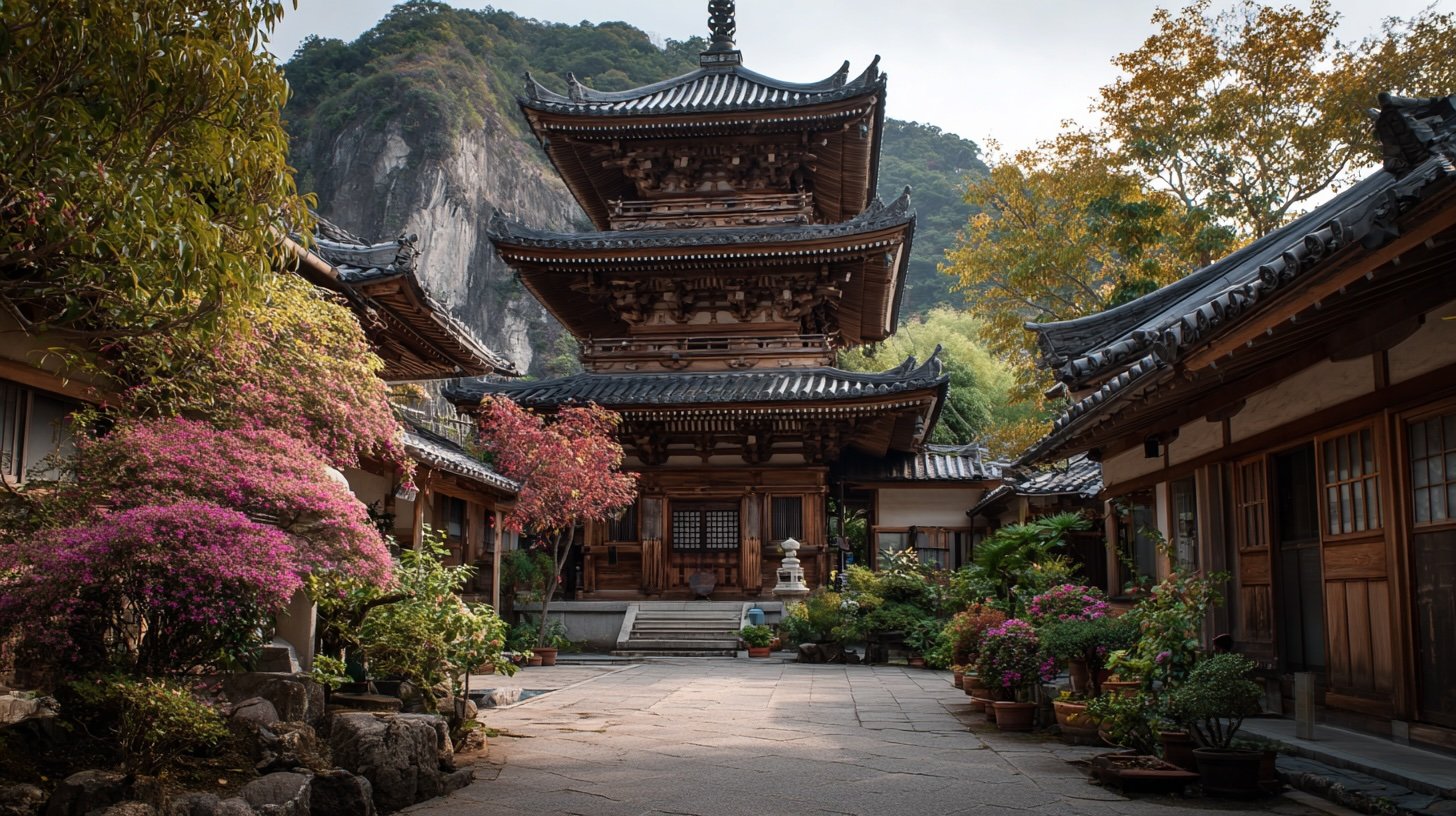
Ancient pilgrimage routes were never meant to be comfortable. Instead, they existed to interrupt ordinary life, impose effort, repetition, and doubt, and force people into landscapes where certainty dissolved slowly under the pressure of distance. Long before wellbeing became a marketable outcome, these routes already functioned as disciplined systems for reordering attention. You walked because standing still no longer felt acceptable.
Across cultures, the underlying logic remained strikingly consistent. Pilgrimage demanded time, physical strain, and a willingness to be reshaped by geography. It did not promise happiness. Rather, it promised exposure. Exposure to weather, strangers, boredom, ritual, and the unsettling realisation that meaning might arrive only after discomfort had done its work.
Today, those same routes appear throughout travel writing and retreat brochures, yet they now speak a different language. They offer clarity instead of absolution. Instead, they promise grounding rather than grace. As a result, they attract people who rarely describe themselves as religious, yet willingly submit to ancient paths designed for belief systems they no longer share. In that sense, the shift did not erase pilgrimage. It translated it.
The oldest pilgrimage routes emerged alongside early civilisations because movement itself carried symbolic power, a logic still visible in uncompromising paths like the circumambulation of Mount Kailash. Leaving home mattered deeply. Walking away from routine created a psychological threshold. Once crossed, the traveller entered a state where ordinary rules weakened. In Mesopotamia, Egypt, India, China, and later across Europe, sacred geography shaped movement. Mountains, rivers, forests, and tombs mattered more than doctrine. People walked because the land itself demanded witness.
These journeys followed patterns modern travellers would recognise immediately. Over time, days repeated themselves. Meals simplified. Sleep grew shallow and irregular. Meanwhile, the body learned the terrain through soreness rather than sightseeing. Over time, thought slowed. Attention narrowed. Problems that once felt urgent lost their grip. None of this required belief. It required distance.
Ancient pilgrimage routes did not exist to showcase scenery. Instead, they structured experience. A route imposed order on chaos. It replaced choice with sequence. Step followed step. Shrine followed shrine. Consequently, the mind, deprived of novelty, turned inward. The body, deprived of comfort, demanded honesty. That combination produced transformation long before psychology learned how to describe it.
Medieval Europe understood this logic well, whether along routes that later became known as the Camino de Santiago or the Via Francigena. The great walking routes that crossed France, Spain, Italy, and the British Isles were not casual undertakings. They involved risk, hunger, disease, and theft. People joined them knowing they might not return. Yet they walked anyway, because the journey itself carried moral weight. Effort equalled sincerity. Distance equalled devotion.
That worldview feels foreign now, yet the appeal persists. Modern walkers may not fear divine judgement, but they understand exhaustion. They recognise the desire to step outside systems that reward speed and constant availability. Ancient pilgrimage routes offer something increasingly rare: permission to be unreachable, whether walked alone or absorbed into collective movements such as the Hajj routes.
At this point, the language of wellness enters quietly. It does not replace the path; rather, it reframes it. Penance gives way to burnout recovery. Spiritual merit turns into mental clarity. Salvation becomes integration. The structure itself remains untouched. Only the justification changes.
Walking long distances still dismantles the illusion of control. Blisters interrupt confidence quickly. Meanwhile, weather overrides planning without negotiation. Silence then stretches uncomfortably. Ancient pilgrimage routes continue to do exactly what they always did. They strip experience down to essentials. Modern wellbeing language merely offers a socially acceptable reason to submit.
In Japan, long-established pilgrimage circuits such as the Shikoku pilgrimage and the Kumano Kodo illustrate this shift with particular clarity. Routes once embedded in monastic discipline now attract international walkers searching for presence rather than enlightenment. The rituals remain precise. Shoes come off. Hands wash carefully. Bells then ring. Yet explanations soften. Discipline becomes mindfulness. Repetition becomes grounding. Endurance becomes resilience training.
India presents a different tension, visible in journeys such as the Kashi Yatra and the wider Char Dham circuit. There, pilgrimage routes never fully retreated from daily life. Sacred journeys still intertwine with commerce, family obligation, and seasonal rhythm. Even so, ancient paths increasingly attract visitors who frame their movement as emotional work. Cities of cremation become places to process grief. Rivers of purification turn into metaphors for psychological release. The sacred does not vanish. Instead, it turns inward.
This reframing works because modern life lacks ritual thresholds. Work bleeds into home, while screens quietly erase seasons. As a result, milestones blur. Ancient pilgrimage routes restore boundaries by contrast. They mark beginnings and endings with unusual clarity. Commitment becomes unavoidable. A narrative arc emerges, backed by physical proof. Wellness culture borrows this structure precisely because it struggles to create one of its own.
An irony sits at the centre of this transformation. Pilgrimage traditionally diminished the self. It placed the individual within a vast moral or cosmic order. Modern wellness journeys, by contrast, centre the self as both problem and solution. The same route now promises self-discovery rather than self-erasure. Even so, the path absorbs the contradiction without complaint.
Critics often accuse this trend of dilution. They argue that ancient pilgrimage routes lose depth when stripped of theology. They worry that ritual becomes aesthetic, hardship becomes curated, and sacred landscapes turn into content backdrops. These concerns matter. Yet history suggests a more complex story. Pilgrimage always adapted. It survived political collapse, religious reform, and technological upheaval. Translation formed part of its durability.
Another unease lies in access. Traditional pilgrimage welcomed the poor, the desperate, and the uneducated. Modern wellness travel often demands leisure time, disposable income, and cultural confidence. The path remains open, yet participation narrows. This tension will likely shape the future of ancient routes more than language ever will.
Still, the resurgence of walking signals something deeper. People could choose comfort. Others might book silent retreats without blisters. Many could consume mindfulness without weather. Instead, many continue to choose paths that demand effort. Ancient pilgrimage routes endure because they refuse shortcuts.
Slowness plays a crucial role here. Walking regulates the nervous system whether or not one believes in it. Repetition stabilises thought. Limited choice reduces anxiety. These effects feel contemporary, yet they emerge from ancient design. Long before neuroscience, pilgrimage understood the body as a participant in meaning.
The land itself matters more than ever. In an era of abstract labour and digital interaction, physical geography regains authority. Mountains resist optimisation. Rivers ignore deadlines. Ancient pilgrimage routes force attention back onto terrain. They remind walkers that meaning unfolds spatially, not instantly.
Modern travellers often describe moments of unexpected humility. Not revelation. Not bliss. Simply perspective. A sore knee dissolves a career obsession. A missed bus shrinks a long-held grievance. These experiences sound therapeutic. However, they mirror medieval accounts almost exactly. Only the vocabulary has changed.
What emerges is not a replacement of religion with wellness, but a coexistence. Ancient pilgrimage routes now operate on multiple levels at once. For some travellers, they remain acts of faith. Others experience them as psychological reset mechanisms. Many, however, find themselves somewhere in between, resisting any neat classification.
This ambiguity helps explain their renewed popularity. In a world that demands constant explanation, pilgrimage asks for participation instead. You walk. Eventually, meaning may follow, if at all. The route does not care why you came.
Ancient pilgrimage routes survive because they do not argue. Rather than negotiating, they absorb intention quietly. Belief, doubt, exhaustion, and irony all receive equal treatment. Modern wellbeing culture did not invent their power. It simply noticed it.
Perhaps that is the quiet lesson these paths still teach. Transformation does not require belief. Instead, it requires commitment, repetition, and the willingness to remain uncomfortable long enough for something unnecessary to fall away. Long before wellness learned to sell that promise, pilgrimage had already built the road.