Victorian Hygiene: How Soap, Sewers and Sheer Determination
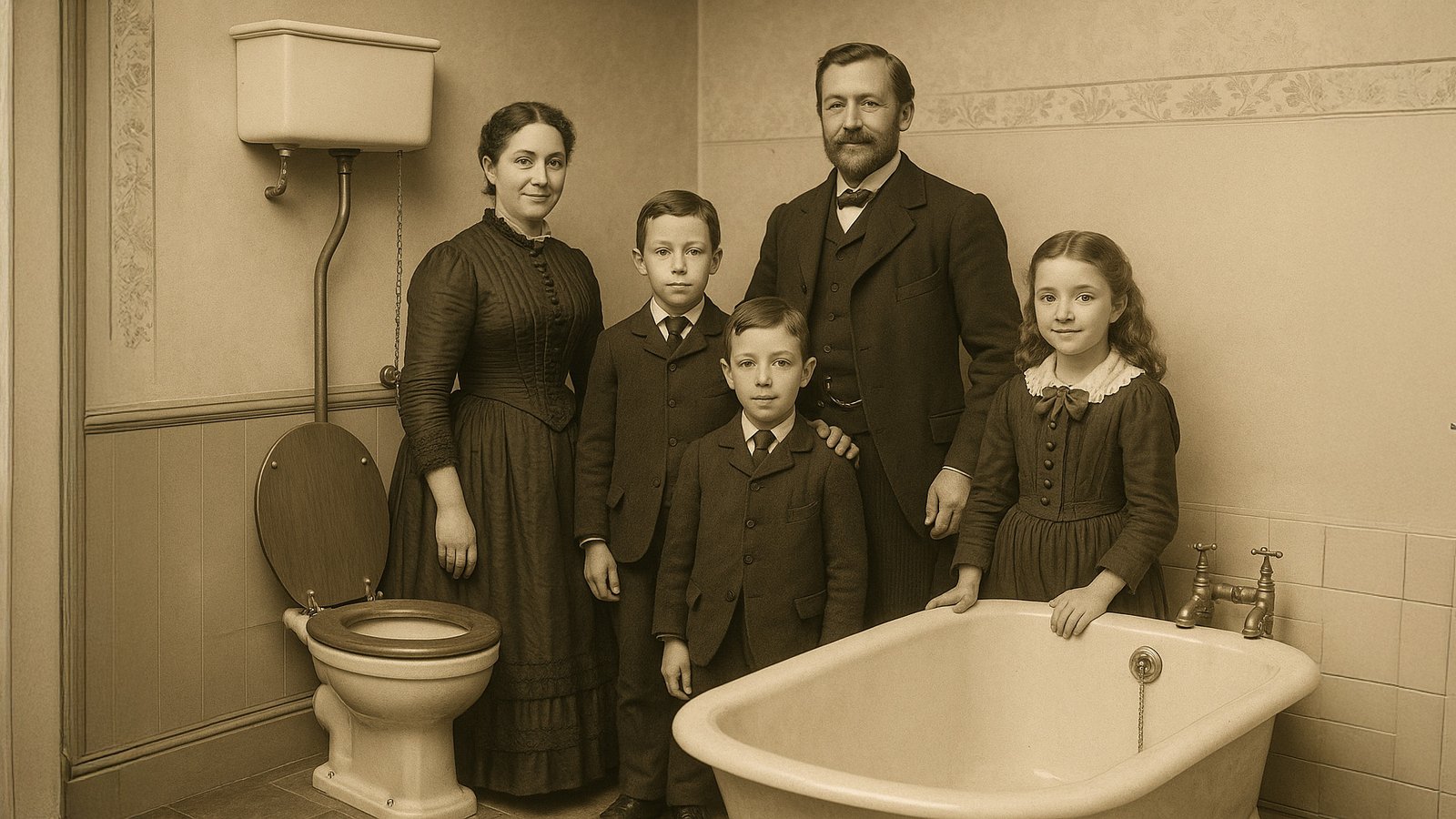
Victorian hygiene took an oddly theatrical path from genteel washstands to full‑blown sewer revolutions. Everyone likes to picture the era as all corsets and candlelight, but most households spent an unsettling amount of time negotiating chamber pots and fetching water in buckets. The results weren’t glamorous, yet they shaped everything we take for granted when turning on a tap or brushing our teeth today. Even the idea that cleanliness signals respectability comes straight from this century of grime, optimism and the occasional epidemic.
City life expanded so quickly that no one planned for the realities of millions of people needing to wash, cook and, more pressingly, get rid of waste. Early on, water often came from a pump on the street rather than a pipe in the kitchen. A proper bath meant dragging a tin tub into the living room, boiling water on the stove and praying no one else wanted to use the same bathwater afterwards. The whole business felt less like self‑care and more like a household relay race.
Soap entered the story as a kind of industrial hero. Before factories learned to make it cheaply, it sat in the same mental category as fine candles or scented pomades. Then production scaled up and soap bars became affordable enough to work their way into most homes. People washed more often, or at least more enthusiastically told their neighbours they did. Households sorted soaps into types: laundry varieties for scrubbing clothes, shaving versions for taming Victorian facial hair and proper washing soaps for the more delicate areas. Hard water in London forced families to use even more of the stuff, which delighted manufacturers and drained Victorian purses with equal energy.
Still, daily full‑body bathing felt rather extravagant. Plenty of families treated bath day as a grand occasion, carried out with the solemnity of a religious ritual. Medical theories didn’t always help. Some doctors insisted frequent bathing could weaken the constitution, which conveniently excused anyone uninterested in dragging another bucket upstairs. Washing one’s hands and face every morning gained traction earlier than the idea of soaking one’s whole self, so many people walked around half freshened but fully perfumed.
Toothbrushes marched in as quiet revolutionaries. Their design became recognisable: bristles, a handle and the promise of minty virtue. Toothpaste arrived in jars or metal tubes, though stomach‑churningly gritty by modern standards. Dentists encouraged regular brushing with missionary zeal, arguing that clean teeth meant moral strength as much as physical health. The middle class embraced the habit because it felt modern, almost daring. Poorer families improvised with bicarbonate of soda, salt or whatever abrasive substance came to hand.
Bathrooms evolved from makeshift corners into proper rooms. Early Victorian homes usually lacked anything resembling what we now call a bathroom. That changed once plumbed‑in basins, taps and cast‑iron pipes became common among families with enough money to upgrade. Running water behind closed doors transformed hygiene from a public chore into a private ritual. Houses built later in the century sometimes included a bathroom from the start, a quiet mark of status that declared the family had joined the modern age.
Indoor plumbing led directly to the glory and chaos of early toilets. The water closet began as a curiosity, then became a symbol of domestic ambition. Families boasted about their new fixtures, although early designs occasionally backfired with impressive enthusiasm. Poorly ventilated pipes carried smells straight back indoors, and unreliable water pressure created unexpected geysers. Yet the promise of a cleaner, more convenient life kept pushing the technology forward.
Outside the home, Britain wrestled its sewage into something resembling order. With cities bursting at the seams and privies leaking into wells, reformers fought to transform sanitation from a private matter into a public duty. The Great Stink of 1858 made the problem impossible to ignore. London roasted under a summer heatwave while tonnes of untreated sewage fermented in the Thames. Politicians fled Westminster in watery‑eyed despair, returning only long enough to approve the construction of a new sewer system.
Joseph Bazalgette stepped in as the unlikely star of the story. His grand network of embankments, pumping stations and underground pipes carried waste far away from drinking water. The scheme worked so well that modern London still relies on its basic layout. Bazalgette allegedly doubled the pipe diameters just in case the population outgrew the estimates. This turned him into an accidental futurist who saved the capital from a century of sewage chaos.
Public Health Acts were the other half of the Victorian hygiene saga. The state finally recognised that leaving sanitation to chance benefited nobody. The first major Act in 1848 created local boards to manage drains, water supplies and nuisances, a delightful term covering everything from overflowing cesspools to suspiciously smelly factories. Later reforms forced new houses to include proper drainage and running water. Builders grumbled, but families appreciated not having to dodge backyard sludge.
The Sanitary Act of 1866 pushed local authorities to intervene when conditions grew dire. Inspectors toured neighbourhoods with clipboards, judging everything from rubbish heaps to stagnant puddles. Their work gradually lifted the worst districts out of danger, even if improvements moved at the pace of bureaucracy rather than urgency. Public expectations shifted as people realised they had a right to clean water and safe surroundings.
Cholera outbreaks haunted the period. Early Victorians clung to the miasma theory, which blamed disease on foul air rather than contaminated water. John Snow’s famous investigation of the Broad Street pump overturned that belief. When he removed the pump handle and cases dropped, the evidence pointed squarely at the water supply. His findings nudged Britain toward modern epidemiology, even if it took years for everyone to accept the idea. Better sewers and cleaner water eventually curbed the outbreaks.
Personal cleanliness gradually evolved into a national virtue. Middle‑class families saw washing as a sign of order and decency. Working‑class communities gained more access to public bathhouses, which offered hot water, privacy and an escape from overcrowded homes. Bath attendants kept everything running smoothly, though they never hesitated to bark instructions at uncertain newcomers. The scene often resembled a peculiarly British mix of discipline and steamy optimism.
Housekeepers wielded soap and scrubbing brushes like weapons. Domestic manuals preached the gospel of spotless floors and shining brass. Clean homes impressed visitors, reassured employers and kept families proudly within the boundaries of social respectability. Many households scrubbed their front steps daily to signal that standards lived within. The ritual took time, yet it offered a small moment of dignity amid the bustle of Victorian life.
Laundry days consumed energy and patience. Without modern machines, washing required boiling water in large copper tubs, stirring clothes with paddles and wringing them out by hand. Soap flakes, soda crystals and elbow grease powered the whole experience. The weekly wash transformed kitchens into temporary factories filled with steam and determination. Freshly laundered garments hung in alleyways and backyards like flags proclaiming survival.
All these changes reshaped where people washed and how they thought about cleanliness. What began as scattered efforts turned into a coordinated cultural shift. Clean water became a cornerstone of modern life. Bathrooms turned from luxuries into necessities. Brushing teeth moved from novelty to habit. Sewers became the unseen machinery keeping cities safe.
Class differences persisted despite the progress. Wealthy families enjoyed bathrooms with decorative tiles, polished brass taps and luxurious soaps. Working‑class households coped with shared pumps and neighbours who queued for the same outside privy. Public reforms narrowed the gap but never erased it. Some districts improved quickly while others waited years for basic upgrades. Yet the overall direction pointed towards a cleaner, healthier society.
Victorian hygiene stood at the crossroads of technology, policy and everyday life. Soap manufacturers rode the wave of industrial innovation. Engineers ventured beneath cities to tame rivers of waste. Lawmakers hammered out rules forcing local authorities to take sanitation seriously. Families adopted new habits because the alternatives felt increasingly unacceptable.
Modern hygiene owes an enormous debt to this era of experimentation. Turning a tap to access clean water, stepping into a bathroom with proper ventilation or trusting a sewage system to remove waste safely all feel mundane. Each convenience began as a Victorian problem solved with equal measures of ingenuity and frustration. Even the idea that hygiene involves both personal habits and public responsibility traces back to these decades of transformation.
Victorian Britain left behind many contradictions. It cherished moral purity yet tolerated slums for far too long. It celebrated domestic refinement while hiding chamber pots behind decorative screens. It embraced engineering brilliance only after disasters pushed it to act. These inconsistencies make the era fascinating, because progress often arrived through conflict rather than vision.
Yet the improvements endured. Plumbing threaded its way into homes. Soap took up permanent residence on sinks. Bathrooms transformed from curiosities into core rooms. Cities learned to value sewage systems as much as boulevards. The slow march toward modern hygiene picked up speed, building momentum that continues today.
Looking back, the Victorian era reads like a sprawling case study of how societies adapt when tradition collides with necessity. People balanced their desire for respectability with the messy realities of crowded urban life. They embraced industrial products that promised convenience while navigating the rules and regulations designed to keep them healthy. Hygiene became a story shared by households, engineers, lawmakers and reformers.
Modern cities still rely on systems born in those decades. Victorian pipes carry water to kitchens and bathrooms. Public health principles forged during cholera outbreaks shape our approach to disease prevention. Even the humble toothbrush carries echoes of those early jars of gritty paste. Every time someone flicks on a bathroom light or flushes a loo, they touch a legacy built by generations who fought to replace filth with function.
Victorian hygiene wasn’t glamorous, but it was transformative. It built the foundations of everyday comfort in a world that previously knew little of it. The era stitched together engineering, cleanliness and public duty into a framework that still defines urban living. To understand how modern life became so frictionless in its routines, one only needs to imagine a day without running water, soap or sewers. Victorians knew that reality all too well, and their struggle to escape it shapes our comfort today.