The Velvet Birth and Breakup of Czechoslovakia
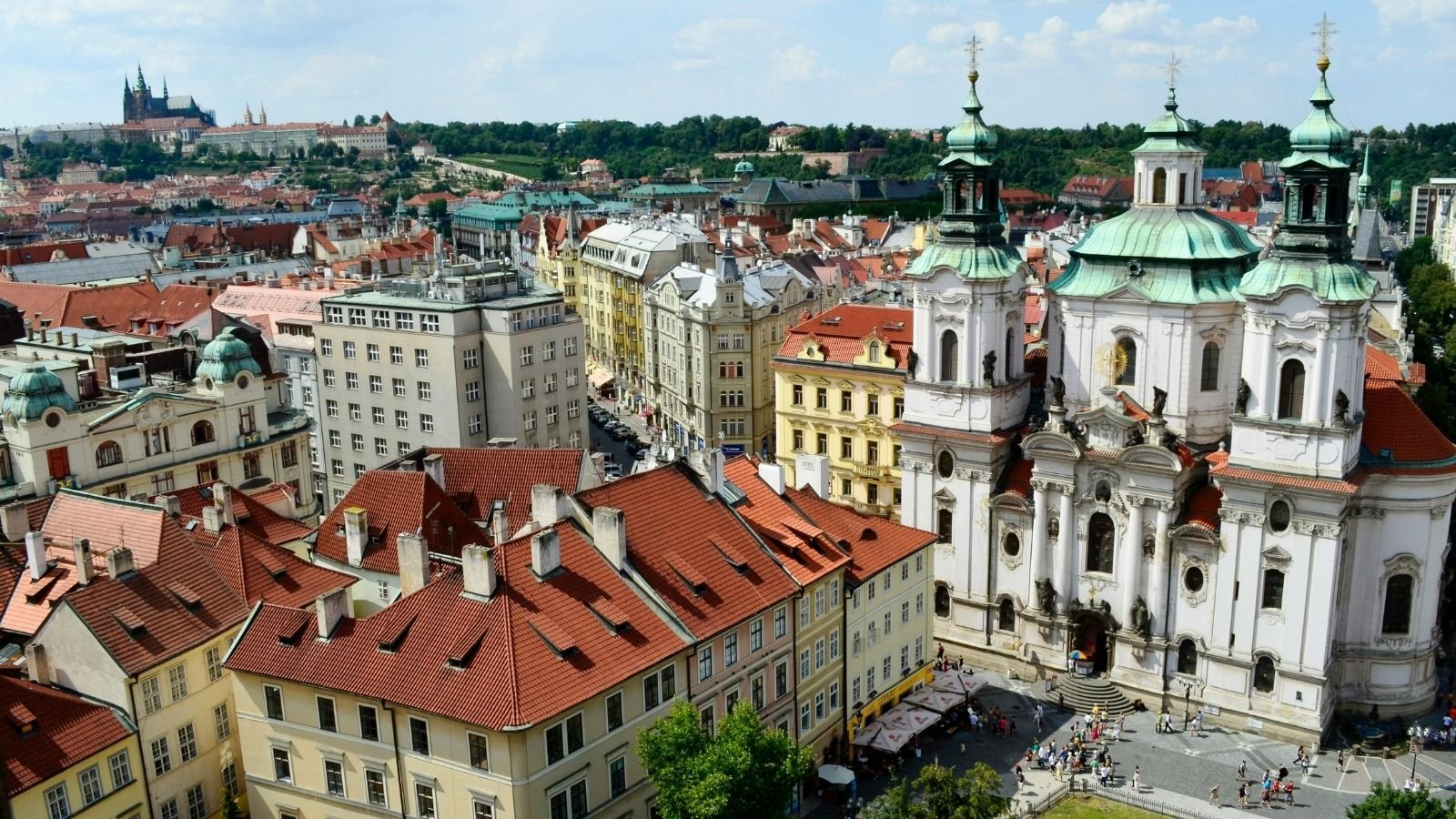
Imagine Europe in 1918. Empires are crumbling like stale pastries, kings are packing up their crowns, and somewhere in the middle of this geopolitical chaos, a brand new country decides to appear on the map. Not by conquest or divine decree, but by sheer idealism. That country was Czechoslovakia, a mash-up of Czech and Slovak hopes, with a dash of Ruthenian territory for flavour.
Tomáš Garrigue Masaryk, the philosopher-president who looked like he was born wearing spectacles, had dreamed of a democratic republic where reason would triumph over tyranny. His right-hand man, Edvard Beneš, handled the diplomacy while Masaryk supplied the moral gravitas. Together, they built a state that became the poster child of interwar democracy in Central Europe. Prague buzzed with avant-garde artists, writers, and jazz musicians, and the architecture sprouted cubist angles as if even buildings were rebelling against monarchy.
But for all its modern flair, Czechoslovakia was a fragile experiment. The Czechs dominated politics and industry, while the Slovaks and other minorities quietly wondered whether this “friendship of equals” was more equal for some than others. Add three million ethnic Germans in the Sudetenland, and you’ve got the ingredients for a crisis soufflé.
When Adolf Hitler came to power in neighbouring Germany, that soufflé began to rise dangerously. The Sudeten Germans started echoing Berlin’s rhetoric about “self-determination”. Britain and France, desperate to avoid another war, pressured Prague to give up the Sudetenland in the infamous 1938 Munich Agreement. The phrase “Munich Betrayal” still lingers like a bad taste in Czech memory. Within a year, Germany swallowed what remained of Bohemia and Moravia, Slovakia was turned into a puppet state, and Czechoslovakia vanished from the map almost as quickly as it had appeared.
During the war, the Czechoslovak government-in-exile set up shop in London, while the homeland suffered under Nazi occupation. The Lidice massacre, the destruction of villages, and the assassination of Reinhard Heydrich left deep scars. When the war ended, the state was reassembled, minus Ruthenia, which went to the Soviet Union. But victory carried its own moral debris. Around three million ethnic Germans were expelled in a brutal act of postwar vengeance, and democracy soon found itself under siege from another direction.
In February 1948, the Communist Party, backed by Moscow, staged a coup. Beneš resigned again, broken-hearted, and Czechoslovakia became a socialist republic whether it liked it or not. Suddenly, portraits of Lenin replaced saints on school walls, and workers’ councils discussed five-year plans over watery coffee. For four decades, political dissent meant a visit from the secret police and a future in a grey office pushing paper for the state.
And yet, even under totalitarianism, the Czechs managed to cultivate a peculiar sense of irony. Satire became survival. When the writer Milan Kundera later called Central Europe a culture that remembered everything but learned nothing, he might as well have been describing Prague’s pubs in the 1970s.
Then came 1968 — the year of hope with a short expiry date. Alexander Dubček, a reform-minded communist with a soft smile, promised “socialism with a human face”. Censorship was relaxed, students cheered, rock bands tuned their guitars, and people thought maybe, just maybe, the future could be bright without being red. It lasted six months. The Soviet tanks rolled into Prague that August, crushing dreams under steel treads. Dubček was dragged away, and the country sank into the drabness of “normalisation” — the political equivalent of a wet blanket.
For the next two decades, people learned to say as little as possible. The Party took care of everything, which meant no one trusted anyone. Factories produced things no one wanted, and television broadcast things no one believed. Yet beneath the monotony, underground movements grew — samizdat publications, secret concerts, and whispered philosophical debates in smoky kitchens.
Then, in November 1989, everything changed again. It began with students marching in Prague to commemorate the death of a fellow student killed by the Nazis fifty years earlier. The police beat them brutally, but instead of fear, they sparked fury. Within days, hundreds of thousands flooded Wenceslas Square, jingling keys as a symbol of unlocking the future. At the helm stood a playwright with a raspy voice and moral backbone: Václav Havel. His words, laced with wit and decency, did what guns never could. The communist regime collapsed in weeks. It was the Velvet Revolution — soft to the touch, but firm in consequence.
Once again, the Czechoslovak phoenix rose, this time in democratic feathers. The atmosphere was giddy. People queued to vote, to buy Western jeans, to read books that had been banned. But amid the euphoria, old questions resurfaced. The Slovaks felt overshadowed yet again; the Czechs, with a stronger economy, looked westward. The marriage that had started in optimism now faced the dull reality of differing ambitions.
So in 1993, they parted ways. No shouting, no tanks, no tears on camera — just a tidy bureaucratic split nicknamed the Velvet Divorce. Czechoslovakia ceased to exist, replaced by two new republics that still share a lot more than they admit. Prague kept its swagger, Bratislava found its own voice, and both got to keep the flag’s colours, like exes dividing the record collection.
Looking back, Czechoslovakia’s life span was short by historical standards — seventy-five years if you skip the Nazi and Soviet interruptions. Yet its impact was enormous. It gave the world Kafkaesque absurdity, the word “robot”, and an enduring lesson in how nations can be both idealistic and pragmatic, brilliant and self-destructive. Its story is a reminder that identity is fluid, borders are temporary, and history has a dark sense of humour.
Today, when you walk through Prague’s Old Town or the quiet streets of Bratislava, you can still sense the ghost of that joint experiment. It whispers through cobblestones and museum exhibits, humming between languages and flags. A country that existed, then didn’t, then existed again, then politely excused itself from history. It was, in every sense, the most Central European thing imaginable.
And maybe that’s the true legacy of Czechoslovakia — proof that a nation can be born from ideas, broken by force, revived by conscience, and ultimately end not in tragedy, but in an amicable shrug.