The Statins Scare: What the Evidence Actually Shows
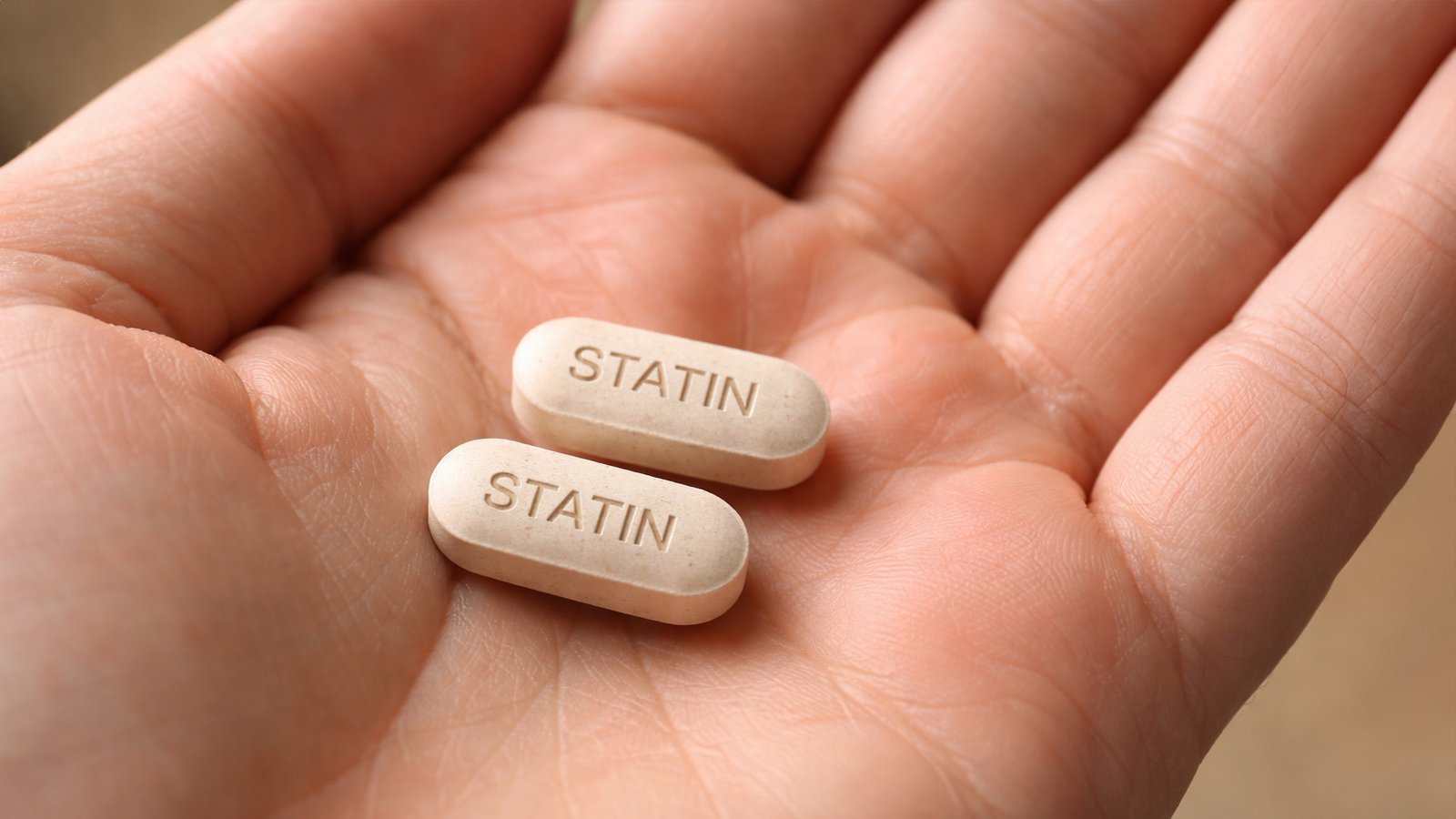
Statins have become some of the most emotionally charged pills in modern medicine. They are tiny, colourless, and people usually take them at night, yet they provoke arguments at dinner tables, online forums, and GP appointments with surprising intensity. For a drug class designed to quietly lower cholesterol, statins have acquired a reputation that feels anything but quiet.
Much of the drama starts with the leaflet. Unfold one of those densely printed sheets and you see a catalogue of possible miseries. Muscle pain appears early. Fatigue follows close behind. Memory loss, sexual dysfunction, depression, sleep disturbance, and digestive chaos soon join the parade. As a result, the list reads less like a probability table and more like a threat. Hardly anyone should feel shocked that many people swallow their first dose with a sense of foreboding.
Recently, however, that long list hit an uncomfortable problem. Evidence. As reported by The Guardian in early February 2026, a major new analysis challenged the way statin side effects are commonly understood. Instead of anecdotes and assumptions, researchers returned to the hard arithmetic of randomised trials.
In early February 2026, researchers re‑examined decades of randomised trial data on statins and compared it with the side effects that appear in official drug labels, a finding also covered by Reuters and the Financial Times. The results landed with quiet force. Warnings list dozens of side effects, yet only a handful show solid evidence that the drugs cause them. Most of the rest occurred just as often in people taking a placebo.
In other words, a large proportion of what we blame on statins seems to have been happening anyway. This does not mean statins are magically free of downsides. It does mean the story we tell about them has drifted a long way from what the best data actually show.
The analysis focused on long‑term, placebo‑controlled trials, according to reporting by Reuters, drawing heavily on large datasets assembled by researchers at the University of Oxford. This matters because randomised trials remain the most reliable way to separate coincidence from causation in medicine. If a symptom appears just as often in the placebo group, the drug is unlikely to be the culprit, however convincing the timing may feel.
Researchers reviewed 66 separate side effects that appear in statin labelling. These ranged from muscle complaints to cognitive symptoms to mood changes. When researchers compared rates between statin users and placebo users, the differences usually barely moved. People reported aches, tiredness, and odd sensations regardless of whether the pill contained an active drug or not.
Only four effects showed a consistent, statistically meaningful increase in people taking statins, as Reuters summarised when covering the study. Even then, the absolute risk increase was small. One involved changes in liver blood tests. Another related to fluid retention and swelling. A third concerned minor changes in urine chemistry. The fourth sat in the same general liver‑related category and is often grouped with enzyme changes rather than treated as a distinct clinical problem.
This picture clashes sharply with the popular image of statins as chemical saboteurs attacking muscles, memories, and moods in equal measure. To understand how that image took hold, it helps to talk about expectations.
The nocebo effect rarely gets the cultural airtime enjoyed by its more optimistic cousin, the placebo effect. Yet it is just as powerful. Medical researchers writing in major clinical journals, frequently cited in Reuters and Health.com, explain that expectation alone can generate real, measurable symptoms. When people anticipate harm, they become more alert to bodily sensations and more likely to interpret them negatively.
Statins attract this effect because the symptoms people most often blame on them are extremely common in middle‑aged and older adults. Muscle stiffness creeps in with age. Fatigue becomes familiar. Sleep grows lighter and more fragmented. Digestive quirks and memory lapses arrive without invitation. When a statin enters the picture, it provides a neat explanation.
Timing also plays tricks on the brain. If a symptom appears after starting a drug, the mind draws a straight line between the two. Consequently, coincidence starts to look like causation, even when the data refuse to cooperate.
Muscle pain deserves special attention because it dominates public discussion. Many people feel certain that statins attack muscles as a matter of routine. In everyday clinical practice, muscle complaints are indeed one of the most common reasons people stop taking them.
Yet placebo‑controlled trials tell a subtler story, a point emphasised repeatedly in Reuters’ reporting on statin intolerance. People frequently report mild muscle aches, although placebo groups show them at similar rates. This pattern suggests that most routine muscle discomfort is not driven by the drug’s pharmacology.
That said, serious muscle injury is not imaginary. True statin‑induced myopathy exists, and clinicians take it seriously. The key issue is frequency. Severe muscle damage is rare, usually emerging within the first year of treatment. It also tends to show up with higher doses, interacting medications, or underlying conditions such as untreated hypothyroidism.
For most people, muscle pain during statin use reflects the same background aches they would have noticed anyway. The difference lies in attribution rather than physiology.
Blood sugar is another area where nuance matters. As noted by Reuters and echoed by UK clinical guidance, statins can slightly raise blood glucose levels in some people. In a minority of cases, this shift contributes to a diagnosis of type 2 diabetes.
Context, however, is essential. People who take statins already face elevated cardiovascular risk, and clinicians usually prescribe them for exactly that reason. In that group, preventing heart attacks and strokes usually outweighs the small increase in diabetes risk. Framed differently, the trade‑off often involves a modest metabolic nudge in exchange for a substantial reduction in life‑threatening events.
Liver concerns also loom large in popular imagination. The idea of a drug quietly damaging the liver feels unsettling. Coverage by the Financial Times and The Guardian both stress that mild liver enzyme changes can occur, which is why clinicians sometimes monitor blood tests. However, serious liver injury does not increase in trial data.
Lab numbers may wobble, yet the evidence does not show feared cascades into liver failure. This gap between fear and fact has fuelled much of the anxiety surrounding statins.
Then there is the grab‑bag of symptoms statins are frequently accused of causing, despite a lack of convincing evidence. Memory loss sits near the top of that list. Depression, sleep disturbance, erectile dysfunction, weight gain, and digestive problems also feature heavily. According to the trial data reviewed in 2026, these experiences occur at similar rates in placebo groups.
These symptoms are undeniably real to the people who report them. What the evidence suggests, however, is that they are not reliably caused by statins themselves. Once again, background prevalence explains more than drug toxicity.
Belief shapes behaviour. Fear of side effects pushes many people to stop statins prematurely or to refuse them altogether. From a public‑health perspective, this matters. Cardiovascular disease remains one of the leading causes of death, and statins remain among the most effective tools for reducing risk.
The irony is difficult to ignore. A medicine designed to prevent future harm often gets abandoned because of symptoms it likely did not cause.
Clinical guidelines in the UK have gradually adapted to this reality over time. NICE guidance and NHS prescribing pathways, which professional summaries cite more than headlines do, now encourage structured assessment. If symptoms appear, these pathways tell clinicians to check for other causes, review drug interactions, adjust doses, or switch statins. Often, symptoms settle without abandoning cholesterol‑lowering therapy altogether.
This reflects a broader shift towards probabilistic thinking in medicine. Instead of asking whether a drug can cause a symptom, clinicians increasingly ask how often it does, compared with doing nothing.
Drug labels have not fully caught up with this mindset in practice. Patient information leaflets often list side effects that rest on weaker evidence, including observational reports. While these methods can flag potential problems, they struggle to establish causation. As a result, the warnings sometimes overwhelm the probabilities.
The February 2026 analysis reignited debate about whether statin labelling overstates risks and actively undermines treatment. Regulators face a delicate balance. Patients deserve clear, proportionate information. At the same time, flooding them with improbable warnings may do more harm than good.
None of this suggests people should ignore troubling symptoms. Severe muscle weakness, dark urine, or signs of a serious allergic reaction still require prompt medical attention. The message is not complacency, but proportion.
Statins are neither miracle pills nor villains. They are blunt, effective tools with a small number of genuine risks and a much larger cloud of misunderstood ones. Perhaps the most useful shift is psychological rather than pharmacological.
If people start statins expecting catastrophe, they are more likely to find it. If they understand the actual risk landscape, they may be better equipped to judge what their bodies are doing. Medicine does not happen in a vacuum. It happens in minds full of expectations, fears, and stories.
For statins, the story has long been louder than the evidence. The latest data suggest it is time for the volume to come down. In the end, the most surprising thing about statins may not be what they do to the body, but what we project onto them.
A small pill has become a symbol of medical overreach, ageing, and loss of control. Stripped of that symbolism, what remains is far less dramatic. It is a medication that mostly does what it says on the tin, causes a few genuine side effects, and gets blamed for a great many things it never touched.
This situation does not amount to a scandal. It is simply how human perception collides with probability.