The Secret Obsession of Enrico Caruso
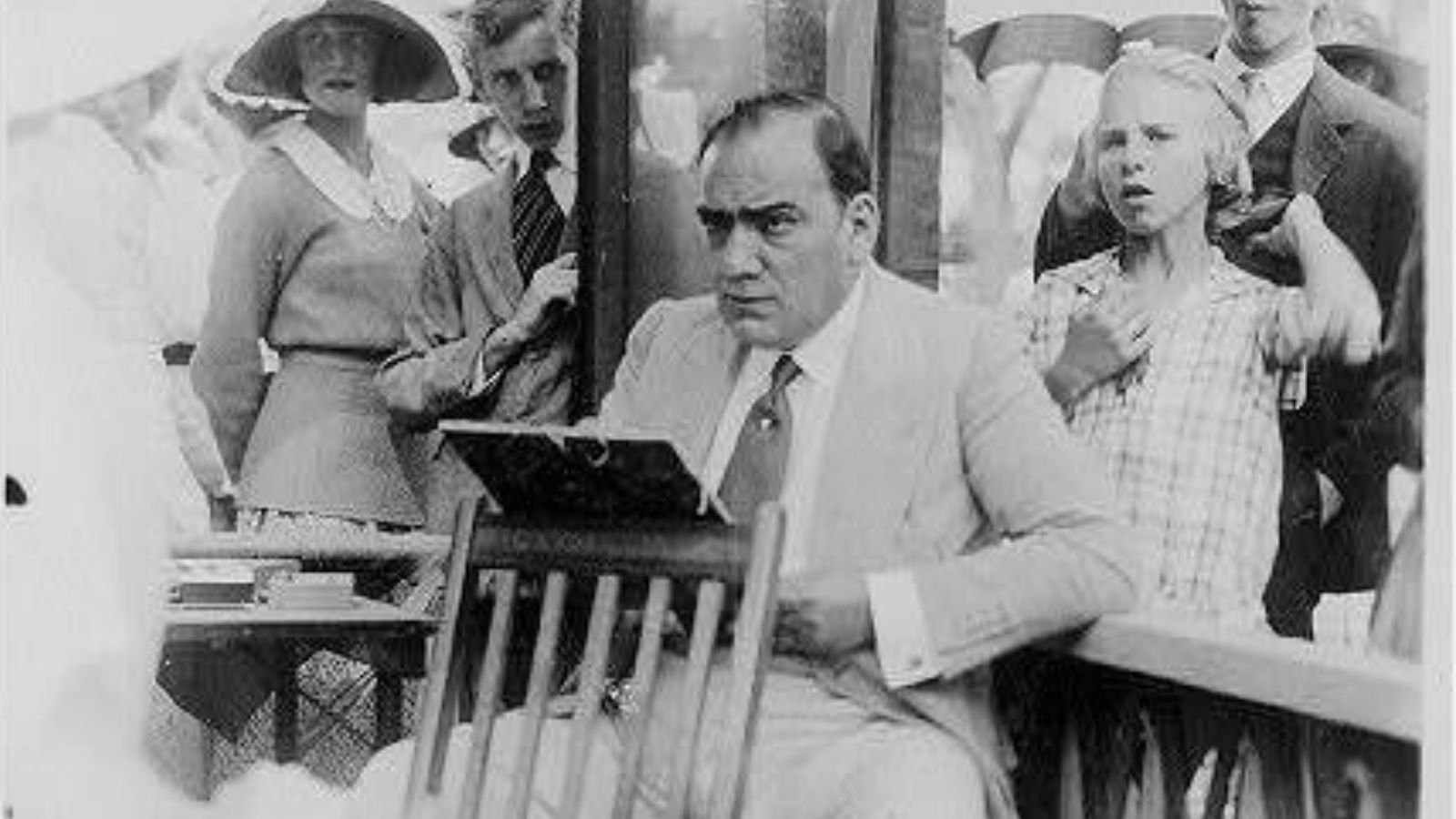
Enrico Caruso could stop a room with a single note. Audiences leaned forward before he even opened his mouth. Yet backstage, between costume changes and curtain calls, the most famous tenor on earth bent over scraps of paper and drew absurd noses. He sketched inflated chins, startled eyes, and moustaches with ambitions of their own. Meanwhile, stagehands hammered scenery into place and divas negotiated about flowers.
The image feels almost comic. The voice that shook the Metropolitan now concentrates on a pencil line. However, that contrast explains everything. Caruso did not doodle out of boredom. Instead, he drew because opera life demanded a counterweight.
He grew up in Naples in a modest household where creativity fought for space. Money ran short, but imagination did not. As a boy he sang in church choirs and copied faces from the street. Italy surrounds children with art, so even the poor absorb it through churches and posters. Consequently, Caruso learned early that expression does not belong to one medium.
When success finally arrived, it arrived with theatrical force. In 1903 he stepped onto the stage of the Metropolitan Opera in New York and conquered it. Reviews raved, and audiences returned night after night. Soon his recordings for the Victor Talking Machine Company travelled across oceans. Therefore, Caruso became one of the first truly global media stars.
Fame in the early twentieth century lacked filters. Newspapers printed rumours freely, and critics wrote with flourish and malice. At the same time, opera houses functioned like gilded pressure cookers. Sopranos guarded top billing fiercely, while conductors defended tempos like heirlooms. As a result, tension never disappeared.
After rehearsals, singers retreated to dressing rooms where mirrors reflected more than powder and greasepaint. Caruso often sat at a small table, still half in costume, and began to draw. Instead of rehearsing grievances, he exaggerated them on paper. Thus, irritation turned into humour.
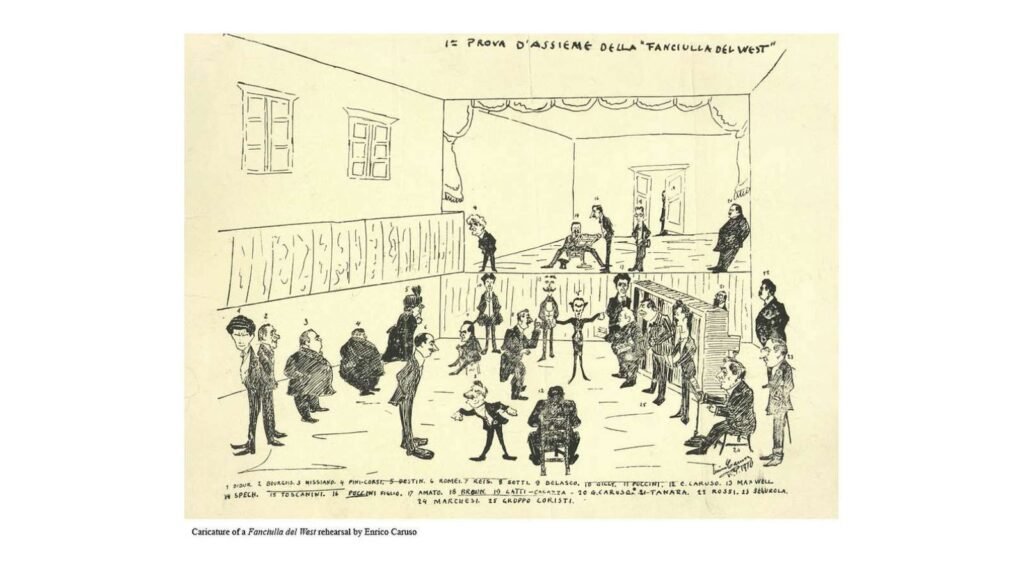
Caricature works through distortion. You enlarge what matters and shrink what pretends to matter. A vain baritone gains a chin like a marble balcony. A fussy conductor acquires eyebrows that conduct on their own. Nevertheless, the trick lies in affection.
Without warmth, caricature turns cruel. Caruso rarely crossed that line. Colleagues remembered his speed and precision. Moreover, he often handed the finished sketch to the very person he had just lampooned. Laughter usually followed.
Opera thrives on excess. Heroes die for love, and villains plot with operatic commitment. However, backstage life includes late meals and arguments about billing order. Caruso saw both worlds clearly. Therefore, he used caricature to bridge them.
On stage he embodied tragic intensity. Off stage he punctured it. He famously drew himself with an oversized head on a tiny body. The eyes looked proud and slightly bewildered. In that gesture, he quietly dismantled his own legend.
Self-caricature carries risk. You expose your insecurities before anyone else can. Yet that act also grants power. By mocking his own fame, Caruso controlled the joke. Instead of waiting for critics, he struck first with humour.
The early recording industry amplified everything. Audiences who never entered an opera house now knew his voice. Consequently, expectation swelled beyond the theatre walls. A missed note travelled further than ever before. For that reason, pressure intensified.
Drawing offered a different rhythm. A pencil obeys quietly, and paper does not cough at the wrong moment. While the voice depends on health and nerves, the hand answers directly to will. In contrast to performance, sketching felt contained. Thus, caricature restored balance.
Backstage culture at the Metropolitan pulsed with hierarchy. Principal singers enjoyed spacious rooms, whereas chorus members shared tighter quarters. Stage managers ruled with whistles and schedules. Nevertheless, gossip flattened everyone. A witty sketch pinned to a mirror could level a diva faster than a review.
Caruso understood theatre as social choreography. He sensed when tension thickened in corridors. Whenever pride swelled dangerously, he reached for a pencil. Therefore, humour acted as ventilation. Soon a drawing circulated, and resentment dissolved into chuckles.
Some sketches found their way into newspapers. Editors loved the novelty of a star who could draw. In fact, his visual talent softened his public image. Audiences saw not only a golden voice but a playful observer. Even so, he never chased a second spotlight.
He did not need another stage. Rather, he needed a side door. Through that door he stepped away from ovations and contracts. Meanwhile, the opera machine continued to grind and glitter. In that quiet space, he reclaimed proportion.
Opera demanded relentless travel. Tours carried singers across the Atlantic and back again. Hotels blurred together, and applause echoed in different languages. Consequently, identity risked dissolving into roles and reviews. Caricature anchored him to tangible faces.
When he sketched a colleague, he captured quirks no libretto mentioned. Instead of playing Radamès or Canio, he observed Giovanni with the twitchy eyebrow. Rather than worshipping divas, he noticed the imperious tilt of a head. Thus, drawing grounded him in reality.
The 1906 scandal at the Central Park Zoo complicated his American fame. Police arrested him briefly after an accusation of impropriety. Charges collapsed, yet headlines lingered. Nevertheless, he returned to the stage and triumphed vocally. That episode must have sharpened his instinct for control.
Public narratives can swell grotesquely, not unlike caricatures. However, when Caruso drew, he chose the exaggeration himself. In doing so, he reclaimed authorship of his image. Therefore, humour became quiet resistance.
Italian theatrical tradition shaped that instinct as well. Commedia dell’arte relies on masks and archetypes pushed to extremes. Characters exaggerate traits for comic effect. Consequently, caricature felt culturally natural. Caruso simply replaced masks with graphite.
Friends described his generosity with sketches. He often gifted them as tokens of affection. A soprano might receive a drawing tucked into flowers. A conductor might find his formidable profile transformed into something endearing. As a result, relationships softened.
He also drew society patrons and politicians. The habit suggests constant attentiveness. While others rested between acts, he scanned the room for shapes and stories. In that sense, he never stopped performing observation.
Singing projects emotion outward with force. A tenor must fill a hall without amplification. Breath expands, chest opens, and feeling radiates. Consequently, such projection drains energy. Drawing reversed the flow.
Sketching demands quiet concentration. The body relaxes and the breath steadies. Instead of conquering space, the artist studies detail. Therefore, the act likely restored equilibrium after performance. Balance replaced bravado.
Opera can take itself alarmingly seriously. Critics debate phrasing as if drafting treaties. Patrons defend tradition like borders. Meanwhile, a quick sketch reminds everyone that art also entertains. Humour trimmed excess without destroying it.
His lines often curve warmly. He exaggerates but rarely humiliates. Even when he teases, dignity remains intact. That nuance reflects empathy. After all, a singer who interprets fragile emotions understands vulnerability.
Caruso’s death in 1921 at forty-eight stunned the music world. Obituaries mourned the voice with reverence. Recordings preserved sound, though imperfectly. However, the sketches preserved perspective. They reveal wit rather than bitterness.
Look closely and you sense curiosity instead of contempt. The man who commanded ovations also watched quietly from the wings. Therefore, his caricatures resemble diary entries in disguise. They whisper rather than proclaim.
He lived at the dawn of celebrity culture. Photographs circulated widely, and newspapers chronicled his habits. Audiences treated him as a phenomenon. Yet phenomena rarely enjoy privacy. Caricature carved out a private corner within public life.
Modern performers manage brands with advisers and strategies. Caruso had instinct and pencil. Instead of issuing statements, he drew. Rather than rehearsing grievances aloud, he reshaped them visually. Consequently, humour functioned as strategy.
Opera houses still hum with ego and ambition today. Nevertheless, few stars sketch their colleagues between acts. Digital distraction replaced paper in many corridors. Even so, the need for balance remains constant.
Caruso’s obsession with caricature reveals a simple truth. Great performers contain multitudes. They oscillate between grandeur and doubt. While audiences applaud visible achievement, the artist negotiates invisible cost.
Through funny faces and oversized noses, he negotiated that cost. He laughed at power structures and teased fame. By shrinking himself before it could swell, he preserved proportion. Thus, the tenor who could shatter hearts with a high note guarded his own with graphite.
In the end, the sketches complement the voice. One medium filled vast theatres, whereas the other filled spare moments. Together they portray a man who refused a single register. He sang like a titan, yet he drew like a mischievous friend. Somewhere between those gestures, Enrico Caruso remained entirely human.