The Mediterranean Diet: A Miracle or Just a Really Tasty Myth?

The Mediterranean Diet has a rare talent. It manages to sound like a marketing slogan, a lifestyle aspiration and a medical recommendation all at once. Doctors praise it, magazines romanticise it, and anyone holding a bottle of olive oil feels vaguely virtuous by association. Somewhere between a Greek island sunset and a peer‑reviewed journal, it picked up a reputation as the closest thing nutrition has to a miracle.
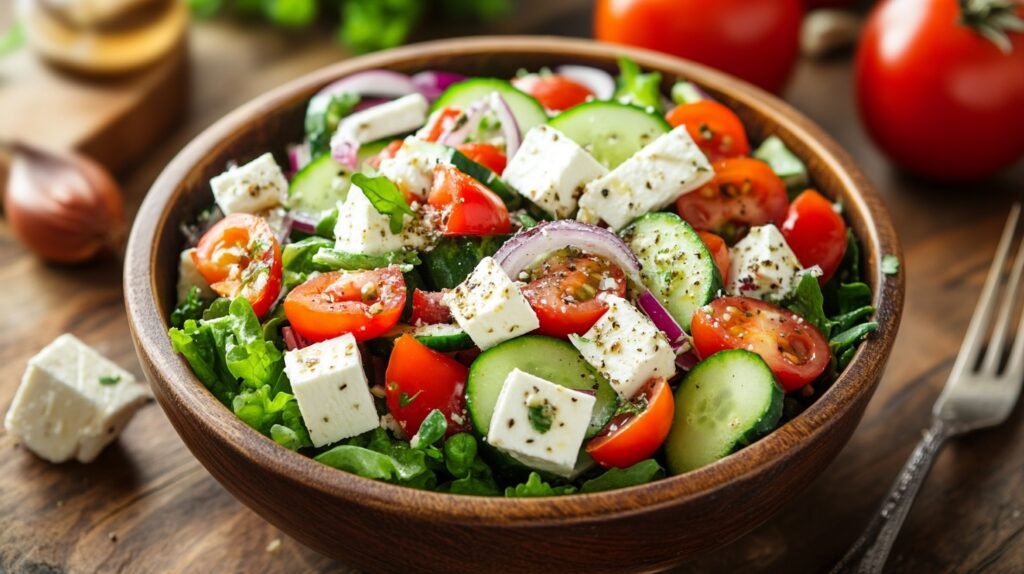
The story usually begins after the Second World War, when American researchers noticed something awkward. People in parts of southern Europe were eating what looked like a lot of fat, drinking wine with lunch, rarely counting calories, and yet heart disease rates stayed stubbornly low. This observation led to decades of research and eventually to what we now call the Mediterranean Diet. Not a strict plan, not a list of forbidden foods, but a pattern built around vegetables, fruit, legumes, whole grains, fish, olive oil, modest amounts of dairy, little red meat, and food eaten slowly, often socially.
From a scientific point of view, this eating pattern has become one of the most studied in the world. Large population studies repeatedly show that people who stick closest to it tend to live longer and develop fewer chronic diseases. In long‑running cohorts, high adherence links to roughly ten to twenty‑three percent lower risk of dying from any cause. Cardiovascular disease, the great modern killer, drops by a similar margin. That kind of consistency keeps epidemiologists coming back for more.
One reason the Mediterranean Diet performs so well lies in what it quietly avoids. Ultra‑processed foods barely feature. Added sugars stay low. Industrial trans fats simply do not appear. Instead, calories arrive wrapped in fibre, antioxidants and micronutrients. Olive oil provides monounsaturated fats that improve cholesterol profiles. Fish brings omega‑3 fatty acids. Beans and lentils slow digestion and stabilise blood sugar. It is not glamorous biochemistry, just a long list of small advantages stacked neatly on top of one another.
The famous PREDIMED trial added extra credibility by moving beyond observation. Participants at high cardiovascular risk were assigned to Mediterranean‑style diets supplemented with either extra‑virgin olive oil or nuts. Compared with a low‑fat control diet, the Mediterranean groups experienced around a thirty percent reduction in major cardiovascular events. For nutrition science, which often struggles to show clear cause and effect, this result landed like a mic drop.
Longevity aside, metabolic health plays a starring role. People following Mediterranean patterns tend to develop type 2 diabetes less often, and those who already have it usually see better glycaemic control. When combined with modest calorie reduction and physical activity, diabetes risk reductions of around thirty percent appear in some studies. This happens without the misery of banning entire food groups or living in fear of bread.
Then there is the brain. Cognitive decline and dementia resist simple dietary fixes, yet Mediterranean eating keeps producing intriguing signals. Higher adherence associates with slower cognitive ageing, lower risk of mild cognitive impairment, and substantially reduced Alzheimer’s risk in some populations. No one claims it makes neurons immortal, but the combination of anti‑inflammatory foods, healthy fats and vascular protection seems to create a friendlier environment for ageing brains.
So far, the miracle narrative looks surprisingly solid. That is where the myths sneak in. One of the most persistent misunderstandings is the idea that the Mediterranean Diet is low‑fat. It is not. In fact, it can be relatively high in fat by percentage of calories. The difference lies in the source. Olive oil, nuts and fish behave very differently in the body compared with butter, refined seed oils or processed meats. Reducing the story to fat avoidance misses the entire point.
Another myth paints the diet as an endless procession of pasta, pizza and red wine. Traditional Mediterranean eating uses pasta sparingly, often as a side dish rather than a centrepiece, and pairs it with vegetables or legumes. Pizza, at least in its modern global form, barely qualifies. Wine appears in moderation, usually with meals, and remains optional rather than compulsory. No study suggests teetotal Mediterraneans lose their health benefits.
Geography also gets blamed. Some critics argue the diet only works if consumed within sight of the Mediterranean Sea. This ignores a mountain of data showing similar benefits in Northern Europe, North America and Australia. What matters is the pattern, not the postcode. Lentils eaten in Leeds behave much like lentils eaten in Liguria.
Where things become more complicated is when enthusiasm runs ahead of nuance. Not every study shows dramatic effects across every disease. Cancer outcomes, for example, remain mixed. Some cancers appear less common among high adherents, while others show no significant difference. Nutrition rarely offers universal protection, and pretending otherwise weakens credibility.
Another area of debate involves study quality. Many Mediterranean Diet findings come from observational research. These studies reveal associations, not guarantees. People who follow Mediterranean patterns often exercise more, smoke less, and enjoy stronger social networks. Researchers adjust for these factors, but no statistical method fully untangles lifestyle from diet. Randomised trials help, yet long‑term controlled feeding remains logistically and ethically difficult.
Cost and accessibility add a quieter controversy. Fresh vegetables, fish, nuts and quality olive oil can stretch budgets, particularly in urban food deserts or lower‑income households. When Mediterranean eating gets packaged as a premium lifestyle rather than a flexible framework, it risks becoming exclusionary. Ironically, many traditional Mediterranean communities developed these patterns out of necessity, not affluence.
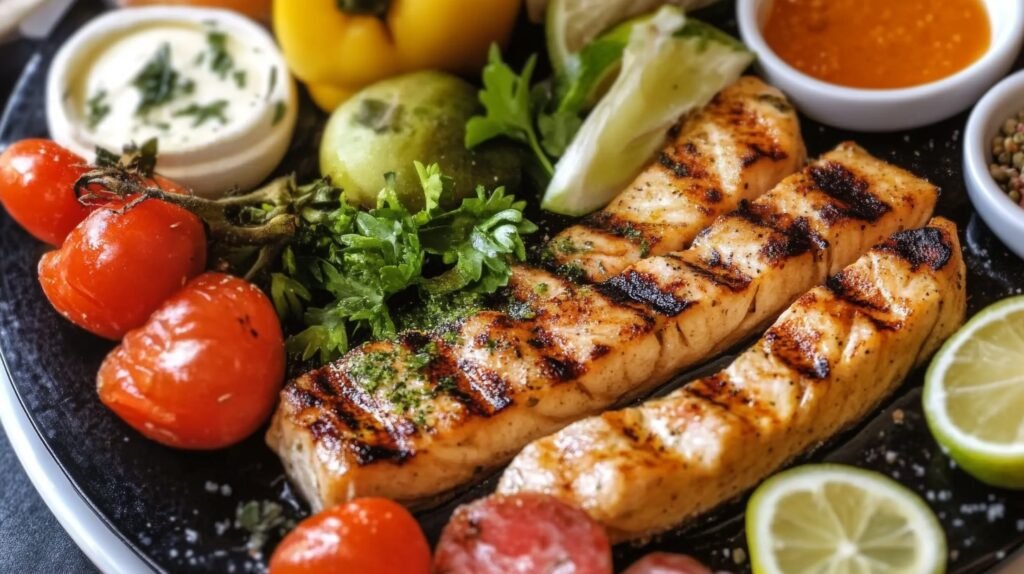
There is also the olive oil paradox. Headlines occasionally warn that olive oil causes weight gain because fat is calorie dense. This is technically true and practically misleading. Weight gain depends on overall energy balance, not a single ingredient. In real‑world Mediterranean diets, olive oil often replaces less healthy fats and ultra‑processed foods, producing neutral or even beneficial effects on body weight.
Environmental arguments complicate the picture further. Compared with meat‑heavy Western diets, Mediterranean patterns generally score well on sustainability metrics. More plants, fewer livestock emissions, and seasonal eating all help. Yet increased global demand for olive oil, almonds and certain fish species raises its own ecological questions. No dietary model escapes trade‑offs entirely.
What often gets lost amid statistics is the social architecture of Mediterranean eating. Meals tend to be shared, unhurried and culturally valued. Snacking rarely replaces proper meals. Food exists as pleasure and ritual, not just fuel. These habits may contribute as much to health outcomes as nutrient ratios do. Try measuring that in a spreadsheet.
Modern adaptations sometimes strip away this context. Mediterranean Diet cookbooks appear promising effortless weight loss, while packaged foods shout Mediterranean‑inspired from supermarket shelves. At that point the diet becomes a brand rather than a tradition, and health benefits blur accordingly.
Viewed realistically, the Mediterranean Diet does not perform miracles. It does something arguably more impressive. It delivers steady, reproducible improvements in health across large populations without demanding suffering, obsession or extreme restriction. And it allows bread, encourages fat, tolerates wine, and still manages to reduce heart disease and extend life expectancy.
Calling it a myth misses the evidence. Calling it a miracle misses the mechanism. It works not because of one magic ingredient, but because many sensible choices align in the same direction, day after day. Vegetables crowd the plate. Plants lead, animals support. Processing stays minimal. Pleasure remains intact.
Perhaps the most radical aspect of the Mediterranean Diet is how boringly reasonable it is. No detoxes. No superfoods with unpronounceable names. Just food that humans have eaten for centuries, arranged with moderation and common sense. In an age obsessed with nutritional shortcuts, that may be its greatest controversy of all.