The Blue Zones Myth: What Actually Makes People Live Longer
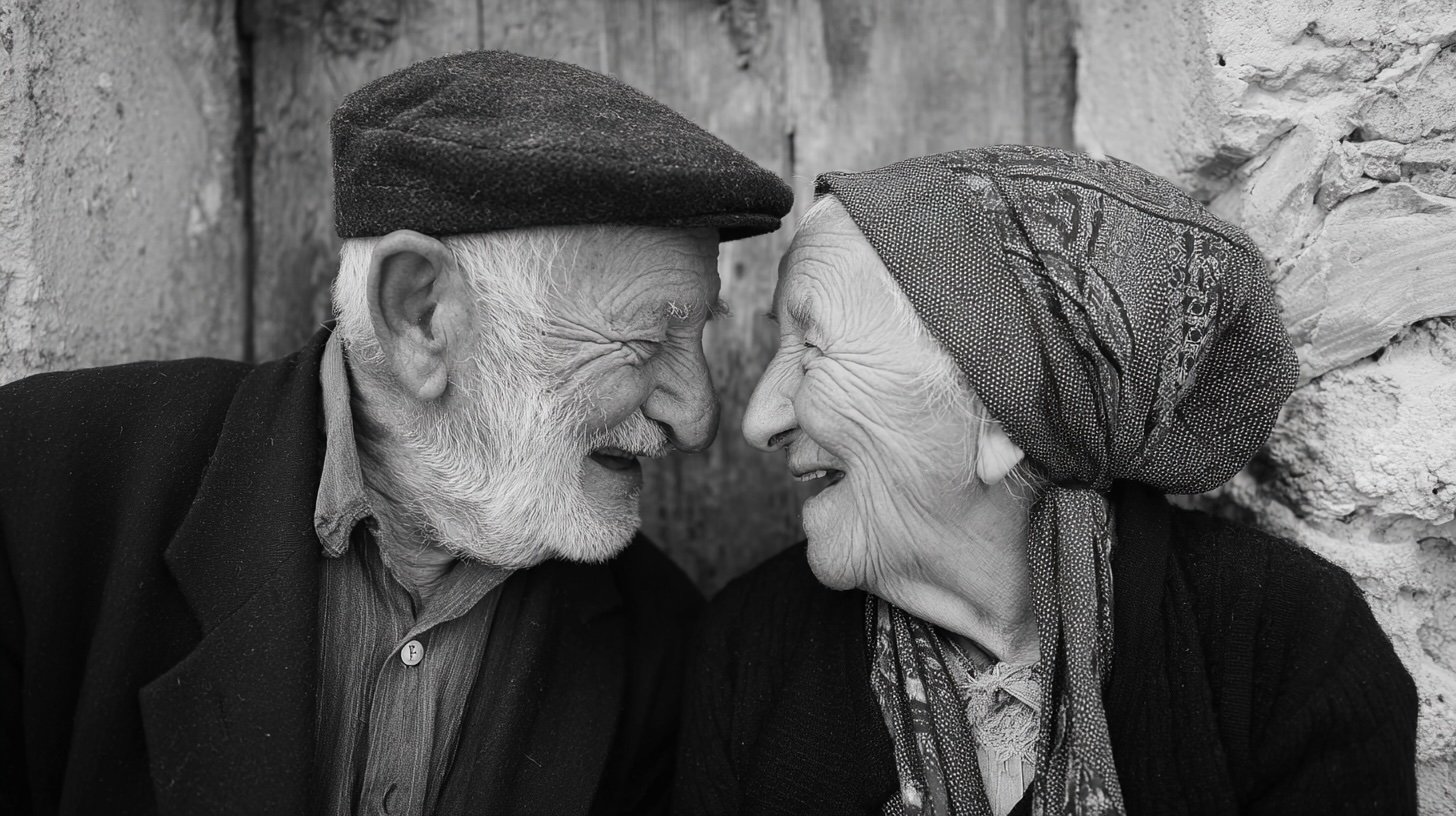
Blue zones sound like a travel brochure that accidentally wandered into a medical journal. Sunlit villages, slow meals, old men strolling uphill with enviable posture, grandmothers who seem immune to time. At first glance, the promise feels seductive: somewhere on the planet, people have cracked the code of long life, and all we need to do is copy their habits. Preferably starting Monday.
The term itself emerged from demographic research rather than lifestyle marketing. Over time, researchers noticed clusters of unusually long-lived people and marked them on maps with blue circles. Those circles stuck. From there, a rush followed to explain longevity through food lists, daily rituals, and neat frameworks that travel well on podcasts and in airport bookshops. The trouble begins when complex, deeply rooted ways of living get boiled down into slogans.
Take Okinawa, Sardinia, Ikaria, or Loma Linda and line them up side by side. On the surface, they share a few headlines: low rates of heart disease, strong community ties, modest diets, and a lot of people celebrating ninetieth birthdays without much fuss. Look closer, however, and the similarities grow fuzzier. Diets differ. Religious traditions vary. Climate changes everything. Even attitudes to ageing differ. What unites them is less a checklist and more an absence of modern excess.
In daily life, movement rarely arrives in the form of planned exercise. Instead, it sneaks in through necessity. People walk because destinations sit close together. Others climb because villages sit on hills. Many still garden because food does not magically appear wrapped in plastic. As a result, movement spreads across the day rather than being compressed into a heroic hour. Bodies stay busy without being punished.
Food stories attract the most attention and also suffer the most distortion. Blue-zone diets often get marketed as if they were secret recipes. In reality, they look almost boring. Vegetables, beans, grains, and a rotation of familiar dishes dominate the table. Meat appears occasionally, not ceremonially. Portions remain modest because habits formed in leaner decades never disappeared. Nobody counts macros. Protein timing rarely comes up.
The idea of superfoods barely fits these places. Sweet potatoes in Okinawa or chickpeas in Sardinia gain mythical status abroad while remaining everyday staples at home. Longevity does not come from exotic ingredients but from repetition. Put simply, the same foods, prepared simply, eaten slowly, and shared often do most of the work.
Social life may be the least photogenic but most powerful factor. In these regions, older people do not vanish from daily life. They argue loudly, give unsolicited advice, help with childcare, and remain slightly annoying in the way that only family can be. Crucially, their presence reinforces identity and usefulness. Ageing happens in public, not behind closed doors.
Purpose weaves through this social fabric. Rarely does it appear as an abstract search for meaning. Instead, it shows up as responsibility. Someone needs you to open the shop. Elsewhere, someone expects you for lunch. Quite often, another person relies on you to pass down a recipe or a story. Over time, that expectation shapes routines and anchors people to life well beyond retirement age.
Stress exists, but it follows a different tempo. Life brings hardship, illness, and economic uncertainty, yet the day rarely fractures into endless urgent tasks. Pauses sit naturally between activities. Meals stretch. Conversations wander. Silence does not trigger panic. Consequently, the nervous system spends less time on high alert.
Where the story turns slippery is when these observations become prescriptive. Blue zones get framed as deliberate lifestyle choices when many habits emerged from geography and history. Sardinian shepherds walked long distances because grazing demanded it. Okinawan diets stayed plant-heavy because meat was scarce. Ikaria’s relaxed pace grew partly from isolation rather than intention. Longevity arrived as a side effect, not a goal.
Genetics complicate the picture further. Longevity often clusters in families, particularly in isolated regions. Outsiders rarely enjoy the same outcomes after adopting surface-level habits. This does not invalidate the patterns, but it does puncture the fantasy of easy transfer.
Alcohol illustrates the problem neatly. Red wine headlines travel fast, yet context travels poorly. Drinking happens with meals, in small amounts, embedded in social rituals. Remove those constraints and the benefit evaporates. The same applies to herbal teas or local cheeses that suddenly appear on health blogs with claims far grander than the evidence allows.
Modern interpretations often strip habits from their social setting. Eating beans alone at a desk while checking emails does not mirror a shared midday meal that anchors the day. Likewise, a supplement cannot replace a neighbour who notices when you fail to show up.
So what actually travels well? Not recipes, not geography, and not nostalgia. Instead, principles travel. Daily low-intensity movement proves remarkably robust across cultures. Walking more, sitting less, and staying physically useful age after age makes sense whether you live on a Greek island or in a British suburb.
Eating slightly less than you could, most days, also translates well. Alongside that, cooking more often, relying on familiar foods, and removing constant novelty from the diet all help. Consistency beats optimisation.
Social connection, however, demands deliberate effort in modern settings. Communities no longer enforce togetherness by default. Building regular shared meals, group activities, or multi-generational routines requires intention. Even so, the returns tend to be disproportionate.
Purpose may be the most misunderstood lesson. It does not require spiritual frameworks or productivity hacks. Instead, it grows from being needed, expected, and occasionally depended upon. Volunteering, caring, mentoring, and showing up repeatedly all count.
Perhaps the most uncomfortable takeaway is that blue zones do not offer upgrades. Rather, they offer subtraction. Less food excess. Reduced isolation. A slower pace. Quieter days. Less self-surveillance. The modern world sells longevity as an optimisation project. By contrast, blue zones quietly suggest it works better as a side effect of a steady, connected life.
This is where hype and habit finally part ways. The hype promises control and quick wins. Meanwhile, the habits ask for patience, repetition, and tolerance for boredom. They reward those willing to trade novelty for rhythm and intensity for continuity.
Ultimately, blue zones do not reveal a secret formula hidden from the rest of the world. They reflect what happens when lives unfold without constant acceleration. Long life follows not because people chase it, but because nothing keeps pulling them away from it.