That slow blink of a cat
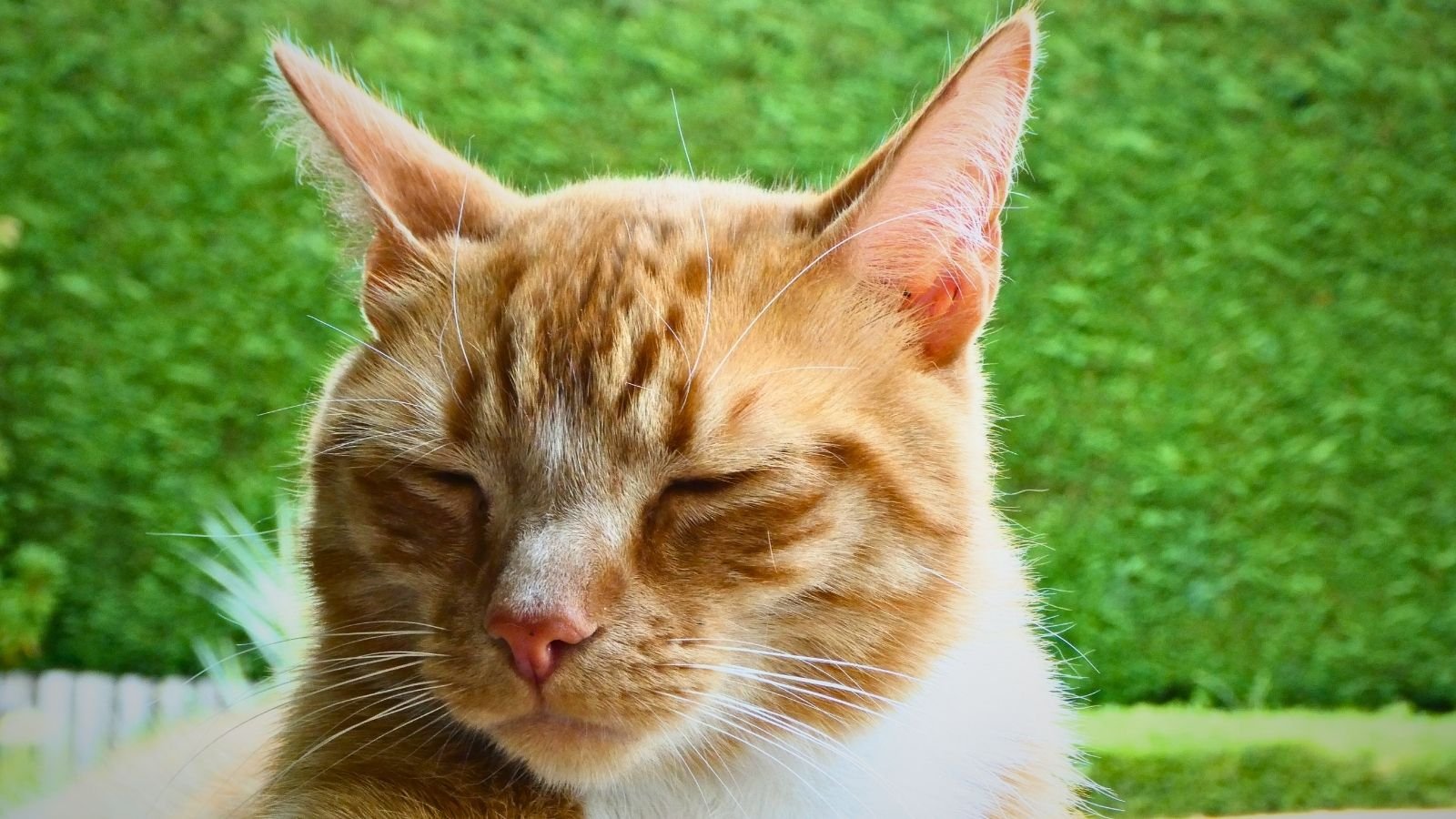
The slow blink of a cat captures a level of subtle drama that few creatures can match. A dog will fling its entire body into a greeting, tail thundering on the furniture, tongue ready to redecorate your face. A cat, meanwhile, can melt you with a moment no longer than a heartbeat: that languid, gentle slow blink. People often call it a feline kiss. It feels flattering, like being chosen by a creature who treats affection as a limited‑edition product. Yet this tiny gesture carries layers, shaped by instinct, evolution and a cat’s quiet flair for emotional minimalism.
The first thing worth noting is that cats rarely close their eyes around someone they distrust. In the wild, blinking can cost a hunter crucial awareness. A predator who looks away for even a second risks missing movement or revealing vulnerability. Domestic cats still keep this logic stored somewhere between their whiskers and their pride. When one decides to soften its gaze at you, there’s no confusion about the message. That cat feels safe enough to let the world blur. Safety for a feline doesn’t come lightly. It arrives slowly, paid for with patience, tone of voice and the occasional sacrifice of personal space on the sofa.
People often think the slow blink behaves like an invitation, and in many cases that’s exactly what it is. Cats sometimes use it as a polite greeting. When your cat sits across the room, tail wrapped neatly around its paws and eyes like half‑drawn curtains, the blink can feel like a quiet nod. You might feel tempted to approach and scoop up the furry diplomat for a cuddle. Your cat will decide for itself whether that enthusiasm aligns with its agenda.
Researchers have taken the slow blink far more seriously than one might expect. Behaviourists at the University of Sussex and the University of Portsmouth discovered that when humans slow‑blink at cats first, cats tend to approach more readily. The gesture works as a cross‑species peace offering. People soften their gaze. Cats relax. The experiment becomes a tiny bridge between two very different evolutionary histories. Something so small helps dissolve the communication gap that otherwise requires a lifetime of guessing.
The study also revealed that cats who lived with humans interpret the blink as particularly friendly. These cats frequently responded with their own version: eyelids drifting down, face soft, whiskers relaxed. Anyone who has lived with a feline knows that trust doesn’t always arrive with fireworks. Sometimes it’s a quietly given nod that says you’ve earned a tiny share of their confidence.
A slow blink rarely travels alone. A contented cat combines it with other signs of calm. Ears sit forward or drift sideways like little sails catching a gentle breeze. Shoulders loosen. Whiskers fall softly rather than pointing like tiny antennae. A tail may stay still or curve into a lazy question mark. Everything about the body language whispers comfort. When the blink pairs with a purr, kneading paws or a gentle head bump, you’re witnessing the full suite of feline friendliness.
Humans can learn to speak this language with surprising ease. A gentle look. Eyelids drifting down. A slow, smooth closure. A soft reopening. The moment feels a bit theatrical at first, but cats respond to it with startling consistency. They often mirror the gesture or glance away in that wonderfully self‑assured way that suggests you’ve behaved correctly. It’s one of life’s few moments where behaving like a relaxed lizard works.
One thing often overlooked is that cats use the slow blink with one another too. In multi‑cat households where peace reigns most of the time, the blink acts as a neutralising gesture. A cat strolling through the room can send a slow blink to another who lounges on the windowsill. It says, very simply, that today is not the day for rivalry. Cats cherish stability when they can get it. These brief exchanges help maintain a civilised household, at least until someone decides to sit on someone else’s favourite cushion.
The evolutionary logic behind the blink deserves a moment. Felines rely heavily on their eyes to hunt. They also use them to communicate dominance, tension and intent. A direct stare becomes a challenge. In the wild, two cats locked in a hard gaze negotiate everything from territory to hierarchy. Neither wants to look away first. Softening that intensity makes all the difference. A slow blink removes the threat. It peels away the sharp edges of the stare. Domestic cats apply this wild instinct to living rooms, kitchens and anywhere humans wander around thinking they are in charge.
Still, not every slow blink carries a coded message. Context matters. A cat basking in the sun often blinks lazily because warm rays make sleep irresistible. A tired cat winding down after a busy patrol of the hallway might blink as it drifts toward a nap. A cat with irritated eyes will blink frequently for an entirely different reason. The challenge lies in reading the whole picture rather than relying on the blink alone. Pair the gesture with body language, environment and mood, and everything becomes clearer.
Some people misinterpret fast blinking or repeated squinting as affection. That usually tells a different story. Irritation, allergies or stress can push a cat into rapid blinking. In those moments, affection plays no role. The cat simply wants relief or space. The calm, slow blink delivers a different tempo entirely. It floats rather than flutters. It looks deliberate rather than frantic.
There’s also the matter of personality. Not every cat hands out slow blinks like sweets. Some breeds lean more reserved. Some individuals cultivate an air of mystery purely for style points. Others adopt a more expressive face that seems to blink along with the rhythm of the room. A cat who rarely slow‑blinks might still feel deeply attached; it just prefers other methods. The blink is just one instrument in a very eclectic orchestra.
Humans often turn the slow blink into a sort of relationship test. It works surprisingly well, provided the timing is right. A cat perched on a bookshelf may give a slow blink from a respectable distance. Blink back. Keep your posture relaxed. Watch what happens next. Sometimes the cat returns to its business without another glance. Sometimes it hops down and decides your lap offers the perfect combination of warmth and stability. The moment can feel like winning a contest you didn’t realise you had entered.
Cats also reveal something about how they see their humans through the slow blink. Many felines view the people in their lives as giant, slightly clumsy companions who provide food, safety and heated surfaces. They watch us stumble through their world with an affectionate sort of patience. A soft blink from them feels like they’re grading our performance and awarding us a quiet compliment.
Shelters rely on the gesture so consistently that volunteers learn to use it when meeting nervous cats. A slow blink helps reduce tension and signals friendliness in a way cats instinctively understand. Volunteers who practise the gesture report that anxious cats accept treats more readily and relax more quickly. Such an approach cannot transform a frightened cat instantly, yet it helps create a gentler environment where trust grows.
Even experienced cat owners occasionally underestimate the emotional intelligence tucked inside that furry exterior. Cats read human facial expressions, respond to tone, and recognise habits with unnerving accuracy. A slow blink fits perfectly into this world of micro‑signals. It helps maintain a shared understanding shaped by repetition and affection.
There’s another piece to this puzzle. Cats rarely force social interactions. They prefer to initiate, withdraw, return and repeat on their own terms. A slow blink respects that pattern. The gesture doesn’t corner them or demand attention. It offers an invitation that a cat can accept or ignore without drama. That freedom makes the blink disarming. Cats appreciate choices. They always have.
Humans sometimes try the blink on unfamiliar neighbourhood cats. Results vary. Confident outdoor cats may blink back, approach and rub against your legs as if they already planned to adopt you. More cautious cats keep a respectful distance but acknowledge the attempt. Some cats simply study you like a suspiciously well‑dressed pigeon. The blink doesn’t guarantee friendship. It merely sets a positive tone.
The gesture even plays a part in how cats navigate shared spaces with humans who don’t particularly like animals. A cat who senses neutrality from a visitor might give a blink to show peaceful intent, then wander off without insisting on attention. The cat keeps the environment calm without complicating the social dynamics. Cats quietly excel at managing tension, even if they sometimes look as though they’re plotting something dramatic.
There’s also the amusing fact that cats occasionally blink at inanimate objects. A lamp. A houseplant. A wall. These moments usually reflect the cat’s internal monologue rather than a desire to communicate. A contented feline sometimes sits in its favourite spot, blinks slowly and allows its mind to drift. It’s a peaceful behaviour rather than a message directed at anyone in particular.
Watching a cat slow‑blink never loses its charm. The movement feels almost artistic. Lids drift in a way that makes time feel pleasantly syrupy. The face softens into an expression that looks half serenity, half smug satisfaction. People often project their own emotions into the gesture. The moment becomes whatever you want it to be.
Whatever meaning you choose, the blink represents something simple yet profound. It symbolises coexistence between two species that once regarded each other with mutual suspicion. Humans needed pest control. Cats needed shelter. Over thousands of years the relationship shifted from convenience to companionship. Now a creature descended from solitary hunters closes its eyes at you with effortless confidence.
A slow blink sits at the intersection of instinct and affection. It leans on old behaviours shaped by wilderness survival, yet it adapts beautifully to modern households filled with cushions, radiators and people who buy cat toys shaped like sushi. In this small gesture, evolution meets comfort. Wild logic meets domestic ease. A cat communicates with elegance, and a human responds by blinking like someone halfway through an afternoon nap.
The beauty of the slow blink lies in its simplicity. No performance. No noise. Just a shared breath between species. It reminds you that trust doesn’t always require grand gestures. Sometimes it hides inside eyelids drifting shut, whiskers relaxing and a soft exhale that warms the air between you. Wherever the moment lands in a cat’s complicated emotional landscape, it creates a thread of connection that feels genuine.
People may never fully unlock the mystery of feline behaviour. Cats enjoy keeping part of their emotional world tucked behind a curtain. The slow blink, though, offers a glimpse. It reveals a softness often hidden behind a carefully maintained air of independence. It reminds you that trust from a cat arrives not through force or expectation but through shared moments repeated over time.
Next time your cat offers a slow blink, return it. Enjoy it. Hold the moment without rushing. You’re witnessing a form of communication crafted by evolution and polished by companionship. A brief closing of eyes becomes a surprisingly eloquent sentence in a language that doesn’t need words at all.
Photo by Gregory Piskov