Sobriety as a Travel Choice in Retreats, Ashrams, and Wellness Towns
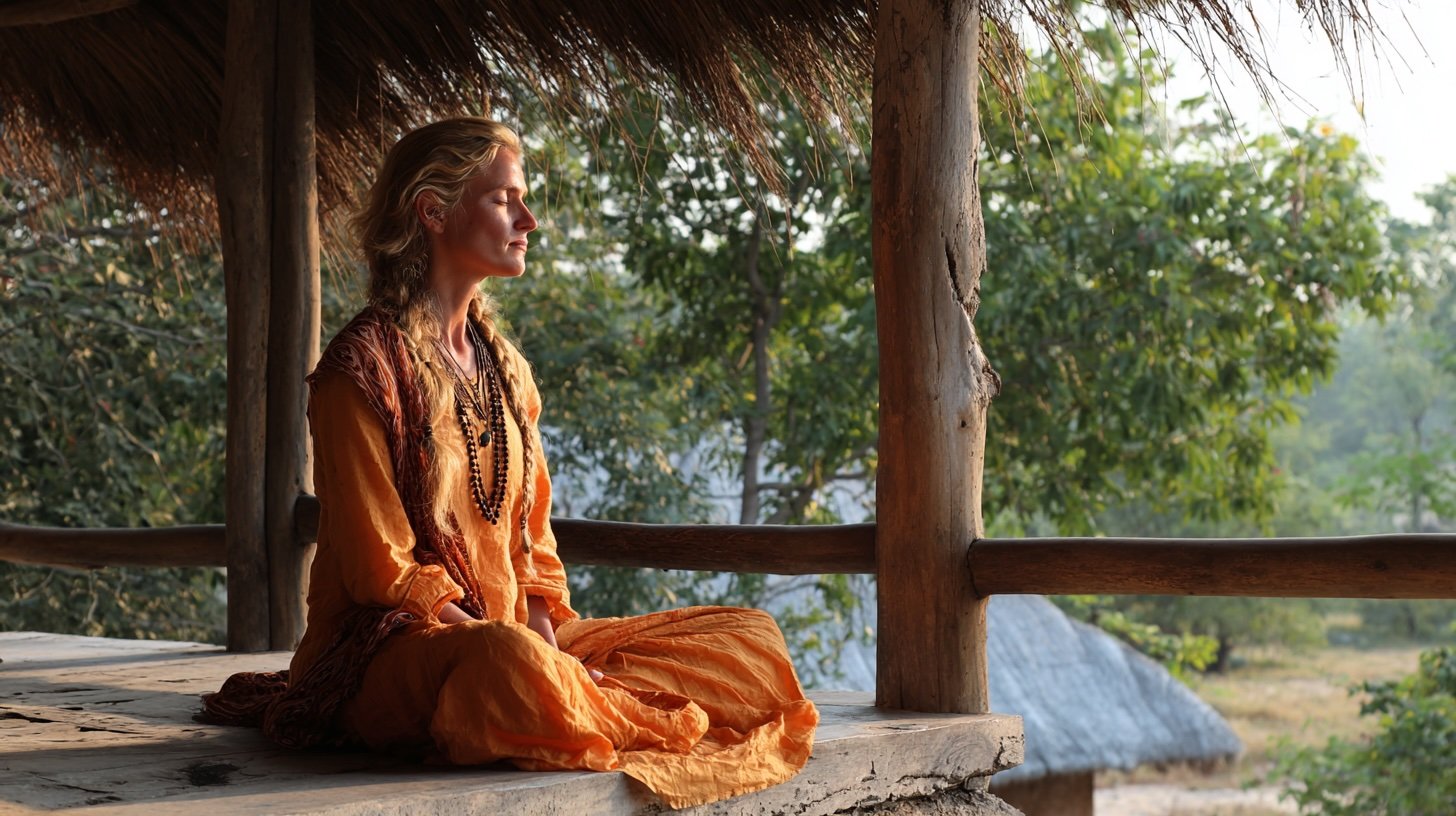
Sobriety as a travel choice often sounds, at first glance, like a correction. Like something undertaken after excess, regret, or a doctor’s raised eyebrow. Yet that framing misses what is actually happening on the road right now. Increasingly, travellers choose alcohol-free journeys not because they want to stop drinking, but because they want to feel more awake while they are away. Rather than escaping temptation, they are redesigning the experience.
For decades, travel sold itself through intoxication. Wine routes, cocktail bars, duty-free spirits, rooftop aperitivos, beach buckets with names that sounded like dares. Alcohol acted as shorthand for relaxation, sociability, and even cultural literacy. You drank to belong. You drank to signal you were on holiday. Quite simply, everyone drank because that was the script.
Gradually, something shifted. Quietly and unevenly, but unmistakably. More people now plan trips where alcohol plays no role at all, and they do so without drama. There are no vows, no declarations, and no backstories required. Instead, travellers choose retreats where the bar becomes a tea table. They gravitate towards towns where cafés close early and mornings begin with movement. Sacred or slow spaces appeal precisely because clarity matters more than stimulation.
This change is not about purity. Rather, it centres on attention. Alcohol-free retreats sit at the centre of this movement, and they rarely advertise themselves as abstinent zones. Instead, they promise energy, rhythm, rest, and focus. Sleep quality, digestion, creativity, and mental space dominate the conversation. Alcohol disappears from the picture not as a rule, but as a logical omission. When the goal is clarity, introducing fog makes little sense.
Spend a week at one of these retreats and the difference registers quickly. Mornings arrive intact. Waking up no longer involves bargaining with your body. Yoga sessions stop feeling like punishment. Breakfast tastes sharper. Conversations begin earlier and last longer. Reading time stretches without rereading the same paragraph. Meanwhile, walks unfold without calculating how much effort you can manage. Even boredom feels cleaner and more honest.
What surprises many first-time visitors is how social these spaces remain. The absence of alcohol does not drain the atmosphere. Instead, it alters the texture. People talk more slowly. Others listen longer. Jokes land without being shouted. Laughter appears without bravado. Connection forms without the accelerant of intoxication, and while it may take longer, it often holds.
Ashrams and spiritual centres operate on similar principles, although their roots run far deeper. Long before wellness culture adopted sobriety as a design feature, these spaces treated alcohol as incompatible with their purpose. The aim was never restriction for its own sake. Instead, coherence guided the rules. Quieting the mind proves difficult while stimulating it. Cultivating attention also fails when sensation is dulled.
For travellers arriving from cultures where alcohol frames leisure, the adjustment can feel disorienting at first. In some cases, it even feels threatening. What will evenings look like without drinks? Where does the social energy go? After a few days, however, the question dissolves. Evenings fill themselves with chanting, walking, writing, conversation, or silence. Early nights begin to feel like relief rather than failure. Mornings no longer require recovery.
The appeal here is not religious, even when the setting is. Instead, it is experiential. People arrive curious rather than converted. They want to see what happens to time when it stops dissolving into alcohol-shaped holes. At the same time, they want to understand how the nervous system behaves when it no longer oscillates between stimulation and sedation.
Entire towns now reflect this same logic. Wellness destinations exist where alcohol may appear, yet no longer dominates. Surf communities replace hangovers with sunrise sessions. Mountain villages elevate herbal infusions to social anchors. In these places, cafés stay busy late into the evening without turning into bars. Social life revolves around shared activities rather than shared intoxication.
Such towns attract a particular type of traveller. Often urban. Often tired. And often successful in ways that leave little room for recovery. They are not anti-pleasure. Instead, they are anti-exhaustion. Returning home feeling expanded, rather than depleted, becomes the goal.
What makes these places work is not prohibition. It is alternative abundance. Something else is always happening. A class, a hike, a communal meal, a lecture, a ritual, or a swim appears on offer. Alcohol fades because it no longer feels necessary. Gradually, it becomes optional rather than central. Once that shift happens, many people realise how much effort drinking required all along.
Clarity is the word that surfaces again and again in conversations with sober travellers. Not sobriety as an identity, but clarity as a state. Clear mornings, clear memories, clear conversations, clear sense of place. Travellers remember routes, names, and details. Weather patterns stand out. Hunger and satisfaction register distinctly. Relaxation no longer needs outsourcing to a glass.
This clarity does not make travel solemn. On the contrary, it often makes it lighter. Without hangovers, days stretch. Without alcohol-fuelled nights, sleep deepens. Mental space opens once the background calculation of drinking disappears.
Many travellers describe a subtle recalibration after alcohol-free trips. Returning home, alcohol often appears not as enjoyment but as punctuation. End of workday. Start of weekend. Marker of social ease. On the road, those markers dissolve. Time reorganises itself around the body rather than the bottle.
Importantly, most people embracing sober travel do not frame it as a permanent decision. They are not renouncing alcohol forever. Instead, a different operating system runs for a limited time. Just as some trips prioritise food, art, or nature, these journeys prioritise presence.
This flexibility matters. It prevents the movement from hardening into dogma. Sober travel works precisely because it does not demand allegiance. Rather, it invites experimentation. Try a week. Try a place. Observe what changes.
What often changes is the quality of memory. Alcohol compresses time. Days blur. Moments lose edges. Without it, memories arrive in higher resolution. Travellers recall colours, textures, and fragments of conversation. They remember how places felt, not just where they went.
There is also a subtle shift in self-perception. Without the escape hatch of intoxication, emotions surface unfiltered. At first, that can feel uncomfortable. Yet many find it grounding. Travel becomes not just distraction, but reflection. You meet yourself in unfamiliar settings without armour.
Critics sometimes dismiss this trend as joyless or performative. Others label it wellness posturing for the privileged. Yet such critiques miss the practical reality. Alcohol-free travel does not demand luxury. Many of these spaces remain simple, even spartan. Their appeal lies in what they remove rather than what they add.
Privilege undeniably shapes travel. Still, the desire for clarity cuts across income and culture. From religious pilgrimages to secular retreats, from community centres to remote villages, alcohol-free spaces exist wherever attention matters.
There is also a generational undercurrent. Younger travellers increasingly separate fun from intoxication. They value control, consent, and memory. Opting out no longer requires explanation. For them, sober travel does not feel rebellious. It feels normal.
What ultimately links retreats, ashrams, and wellness towns is not ideology, but intentionality. These places ask a simple question. What if travel were designed around how people want to feel, rather than how they want to forget?
Answering that question leads naturally to fewer substances and more structure. Routines begin to support rather than sabotage the body. Social rituals emerge without chemical shortcuts. Evenings wind down instead of spiralling outward.
None of this requires rejecting alcohol entirely. Instead, it requires decentring it. Alcohol moves from the main act to the margins. Other experiences take responsibility for pleasure, connection, and rest.
When travellers describe these trips afterwards, their language shifts. They talk less about escape and more about return. Return to rhythm, return to attention, return to a version of themselves that feels intact.
Sobriety, in this context, stops being a moral stance. It becomes a design tool. One option among many for shaping experience. A way to tune the volume of the world rather than mute it.
Perhaps that is why sober travel resonates now. Life already feels loud, accelerated, and over-stimulated. Holidays that replicate that intensity rarely restore. More often, they exhaust.
Choosing clarity over intoxication is not a sacrifice. Instead, it is a recalibration. It is a decision to travel with senses switched on, mornings intact, and memories unblurred. Not because alcohol is bad, but because presence is better.
Once travellers experience that difference, many quietly seek it again. Not as a rule. Not as an identity. Simply as a better way to be away.