Snow Alters Your Physiology. Or Does It?
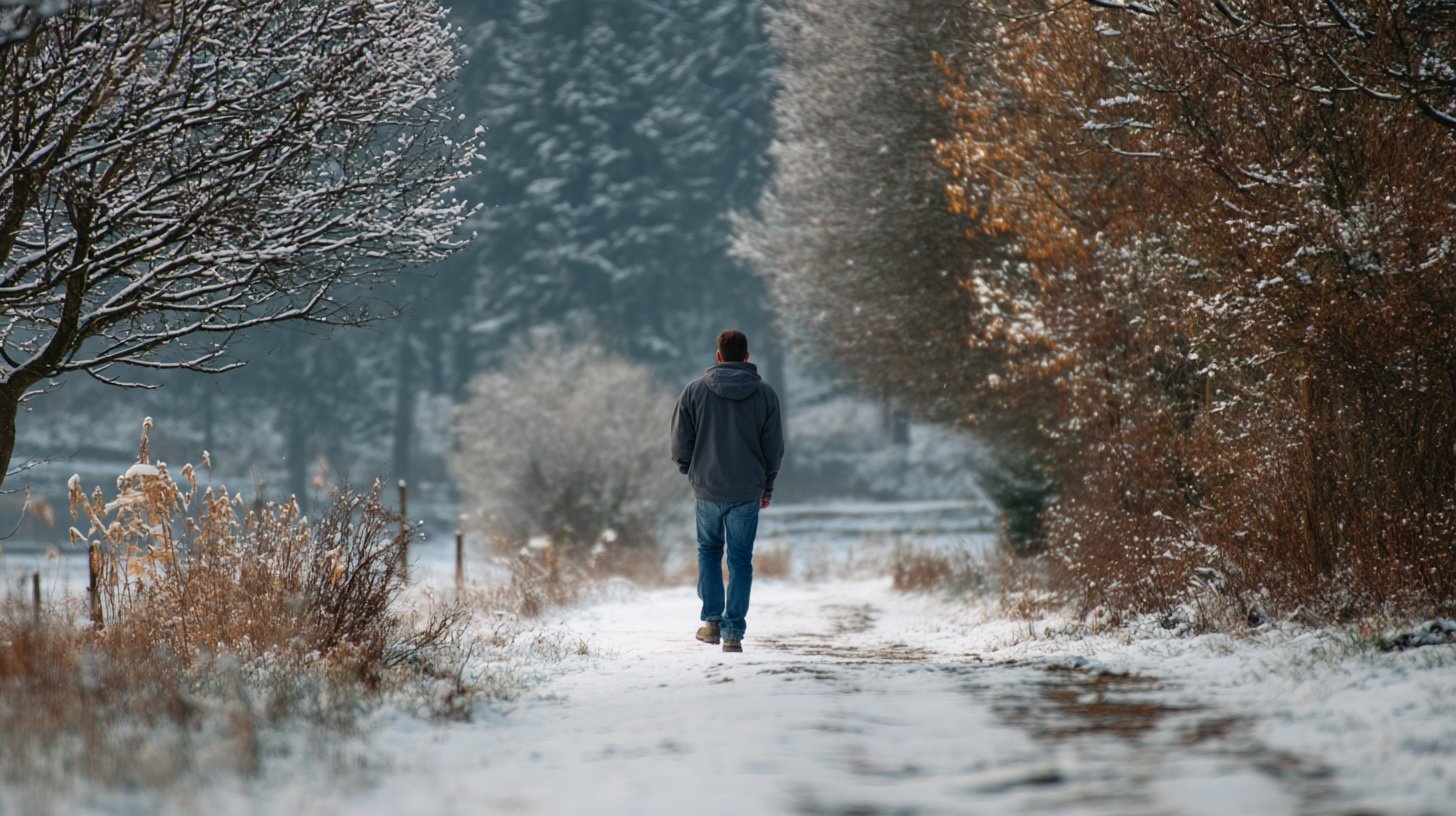
Snow arrives with the confidence of something that knows it will change your day, your mood and — though you may not realise it — your body. The moment it settles, snow alters your physiology in ways both subtle and mischievous. You step outside expecting a postcard moment and discover that your senses, breathing, balance and even your thoughts have quietly switched to winter mode. You adapt without noticing, yet the changes run deeper than cold cheeks and frosty eyelashes.
Fresh snow’s silence is always the first surprise. A soft blanket absorbs sound with a generosity few natural surfaces can match. Billions of tiny ice crystals trap air and swallow echoes, creating the auditory equivalent of a soft-close drawer. Even a normally loud street behaves as if someone turned down the volume. Cars sigh instead of growl. Footsteps land with exaggerated politeness. People chat in half-whispers, not because the cold demands it, but because snow alters your physiology enough to encourage calmer breathing and slower heartbeats. The nervous system interprets the hush as permission to relax. Shoulders drop. Stress unknots itself. You feel unusually present.
Silence shifts the body into a less reactive state, and snow’s brightness pushes it right back into alertness. Snow reflects light in every direction with almost comic enthusiasm. On a bright day the world glows like a giant reflector board; on a cloudy day the whiteness softens edges and wraps everything in diffused luminance. Your eyes respond immediately. Pupils tighten. Vision sharpens. The brain works harder to judge contrast and distance, and that extra processing changes your perception of space. Some people feel energised by the clarity. Others feel off-balance. Snow alters your physiology here too: your visual system recalibrates to a landscape that has lost many of its usual depth cues.
The effect on mood rides along with the light. Snow often counteracts the sluggishness of December afternoons by giving the world an unexpected brightness boost. It feels cleansing, almost theatrical. Yet stare at it too long and your eyes protest. The same reflection that perks you up can tire you out. Winter landscapes like to keep you negotiating between stimulation and strain.
Breathing is where snow becomes unmistakably bossy. Cold, dry air steals moisture from your airways the moment you inhale. To defend themselves, the muscles around the bronchial tubes tighten, creating that familiar sensation of resistance. You instinctively breathe through a scarf, sounding like a Victorian character on the verge of a dramatic monologue. For most people this is a mild inconvenience. For those with sensitive lungs or asthma, cold air can trigger sharper responses. Snow alters your physiology by prompting protective constriction and faster shifts in breathing rhythm.
Yet that same cold air feels invigorating. Plenty of people insist their thoughts sharpen in snowy weather, and they’re not wrong. Cooler temperatures cause blood vessels to narrow, briefly boosting alertness. It’s your body’s way of saying, “Wake up, you’re outdoors, act like it.” Every inhale carries a sting that nudges the brain into clarity. Snow doesn’t simply decorate the landscape; it tweaks your internal settings.
Circulation becomes its own winter performance. As temperatures fall, your body tries to protect its core. Blood vessels in the extremities constrict, hands and feet cool, and blood flow shifts towards vital organs. Heart rate increases slightly, blood pressure climbs a little and the cardiovascular system adopts a more defensive posture. Snow alters your physiology the moment you step into it — you become a compact, mobile heat-preserving machine.
Snowy ground adds yet another layer of adaptation. Walking on snow looks peaceful, but your body treats it as concealed resistance training. Muscles work harder for grip. Joints compensate for slippage. Your centre of gravity changes with each step, and every instinct for balance becomes sharper. Even the easiest journey asks more of the body. Lift a heavy bag or push a buggy over slush and your heart rate spikes sooner than expected. Nothing about this feels dramatic, but the effort builds quickly.
Hard-packed snow changes sound behaviour as well. Once the surface freezes and flattens, it reflects sound differently. Your footsteps echo in new ways, your breathing sounds louder and you become hyper-aware of movements you usually ignore. It’s as if the snow edited your sensory script without asking.
A mostly white environment also plays tricks on spatial perception. Depth cues disappear. Distances shrink. People often walk faster in the snow because their brains misjudge how far away things are. Snow alters your physiology not only through cold and effort, but by giving your visual cortex incomplete information. You accelerate without intending to, only realising it once you arrive far earlier than planned.
Emotions respond to this altered sensory landscape. Snow evokes a strange combination of nostalgia, caution and delight. The softened soundscape heightens awareness. Small sensations take centre stage — the crunch underfoot, flakes melting on your coat, the sting of cold on your cheeks. The nervous system, already tuned to quietness and brightness, becomes more receptive. For many, this heightened state feels grounding; for others, slightly surreal.
Life rarely gives people time to savour these sensations. Most rush across icy pavements like they’re racing the weather. Yet slowing down reveals how constantly snow alters your physiology. Each breath forms a tiny cloud, a visible reminder of the temperature difference between you and the world. Your posture shifts to navigate slippery ground. Muscles tighten. Vision adapts. Balance recalibrates. Winter turns your body into a clever improviser.
Researchers who work in Arctic environments often describe a peculiar intimacy with snow. It demands awareness, and the body obliges with adjustments you barely notice: heat conservation, micro-corrections in gait, changes in breathing rhythm, shifts in circulation. Snow rewrites the rules of movement and sensation.
This sensory quietness encourages introspection. Many people report clearer thinking after a snowy walk, as though the world subdued its distractions. With reduced noise and heightened brightness, the nervous system finds a calmer pace. Breathing deepens. Heart rate steadies. Posture becomes more centred. Snow alters your physiology in a way that makes contemplation feel effortless.
But winter always keeps its edge. Snow may soothe, but the cold eventually pushes back. Extremities numb. Muscles slow. Breathing becomes shallow. The body reminds you that adaptation has limits and that warmth remains an essential companion.
Still, there’s something compelling about how completely snow collaborates with the body. Streets soften, trees glow, sound fades and you shift into a mode that exists only in winter. You become more attentive. More deliberate. More aware of your physical self moving through a changed world. Snow alters your physiology not with drama, but with quiet authority, teaching you that the body is far more adaptable — and far more intriguing — than you usually remember.
Next time snow falls, pay attention. Notice the sharper breath, the steadier steps, the brief clarity of thought. Snow doesn’t simply surround you; it works with you, reshaping your senses and responses until you feel, quite literally, like a different version of yourself.