Pickleball Fever: How a Quirky Sport Became a Global Obsession
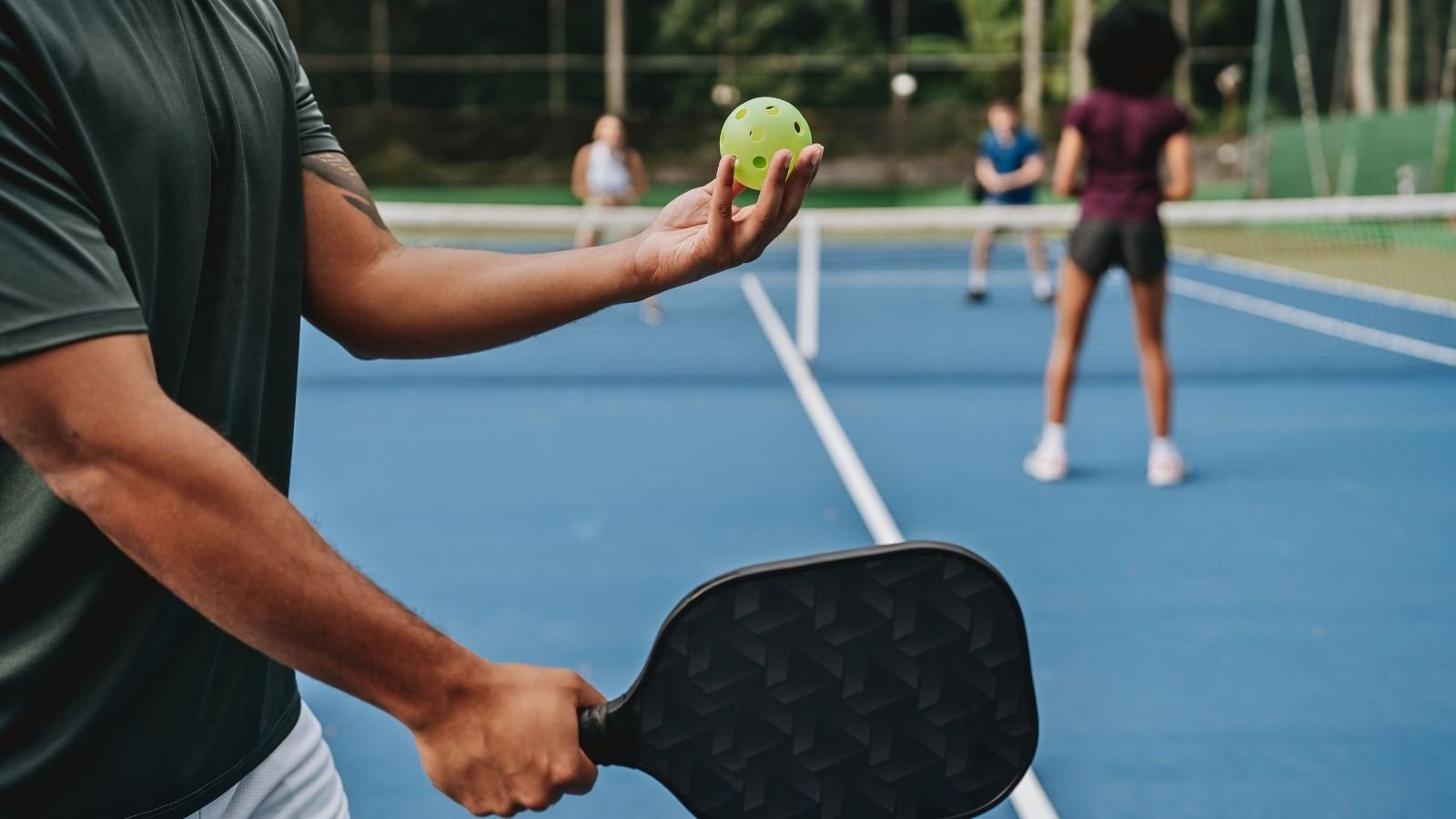
Pickleball wandered into the world as if someone had scribbled the rules of tennis, borrowed the mood of a friendly pub quiz, and squeezed both onto a court that looks as though it was designed for people who enjoy movement but don’t necessarily wish to sprint as if their lives depend on it. The sport began as a quirky American pastime in the 1960s, invented on Bainbridge Island by three dads trying to entertain bored children. They improvised with what was lying around: a badminton court, a perforated plastic ball, and paddles that resembled something you might use to flip pancakes rather than play sport. The result, against all odds, became one of the fastest growing activities on the planet.
It crept across the United States at first, showing up in retirement communities and suburban leisure centres where people discovered that this simple mix of tennis, badminton and table tennis was surprisingly addictive. Then the pace escalated. Millions joined in. Courts appeared everywhere, often painted on top of unused tennis surfaces. Eventually the noise reached Europe, where Brits, always fond of a sport that provides gentle exercise without demanding superhuman effort, picked it up with gusto.
What makes pickleball so irresistible? The first charm lies in its simplicity. A few minutes of explanation, a couple of rallies, and even the most sceptical newcomer starts feeling competent. The paddle is solid and forgiving. The ball, full of holes, obliges you with a slower bounce. The serve, blessedly, is underarm, which spares everyone from the humiliation of repeatedly launching balls into neighbouring postcodes. You can learn the basics before your tea goes cold.
Then there is the court. It is noticeably smaller than a tennis court, roughly the size of a doubles badminton court. This brings the players closer together, creating fast exchanges without forcing anyone to run a half marathon. Because the court is compact, people chat between points, laugh at their mistakes, and tease each other without raising their voices. It feels sociable in a way that larger court sports don’t always manage. Couples play together, grandparents play with their grandchildren, and total strangers become temporary teammates.
The famous non-volley zone, known affectionately as the kitchen, adds its own spicy twist. You cannot simply charge the net and smash the ball into oblivion. You must stay out of this sacred strip unless the ball bounces inside it. This quirk levels the playing field, rewarding strategy, touch, and a bit of tactical mischief rather than pure strength. Every rally becomes a dance of patience and well-timed flicks, which is far more enjoyable than being steamrolled by someone with a blistering serve.
As the sport gained traction, the culture around it blossomed. Social media brimmed with clips of rallies that looked both achievable and impressive. Local clubs organised friendly leagues. Gyms discovered that a pickleball court could fit into spaces where nothing else particularly exciting could. People who never considered themselves sporty began joining lunchtime sessions, partly because the sport felt welcoming and partly because it didn’t demand a week of recovery afterwards.
Health experts warmed to it as well. They pointed out that it offers an appealing blend of aerobic movement, balance training and hand-eye coordination without the punishing impact of some other activities. For older adults, it became a way to stay active without feeling as though they were courting disaster with every lunge. For younger players, it turned into the perfect social sport that keeps you moving without the gloom of a treadmill.
In Britain, the rise has been particularly striking. Leisure centres began marking courts on their floors. Schools introduced it as an accessible racket sport. Holiday parks added it to their lists of activities. Even cricket-loving pockets of the countryside discovered that a bit of pickleball provides a cheerful diversion on a cloudy afternoon. Because the equipment is inexpensive and the rules straightforward, communities embraced it without fuss.
There is also the irresistible factor of trend momentum. Once a sport appears everywhere, from influencers’ posts to community newsletters, the snowball effect begins. A friend mentions they tried it. Another insists you must join them for a session. Before long you find yourself ordering a paddle online, comparing ball colours, and wondering how you have reached a stage in life where discussing the bounce characteristics of a wiffle ball feels perfectly normal.
Businesses spotted the opportunity too. Clubs started offering memberships tailored to the sport. Retailers expanded their paddle and ball selections. Entrepreneurs pitched ideas for coaching programmes and local leagues. Developers converted neglected spaces into bright courts where people could book sessions with an app. Restaurants near popular pickleball centres began serving post-match snacks to cheerful players who looked as if they had discovered a new form of group therapy.
Part of the magic lies in how little intimidation the sport projects. Traditional tennis can feel daunting, with its long list of unspoken etiquette rules and its legacy of producing champions who seem born to sprint and sweat magnificently. Pickleball, by contrast, looks like the sport for everyone else — those who enjoy some activity, a good laugh, and the comfortable knowledge that nobody is judging their footwork. It feels grounded, friendly and a touch mischievous.
The soundscape adds its own charm. The high-pitched clack of paddle meeting plastic ball gives the game a distinctive rhythm. It is both oddly satisfying and occasionally startling. Critics may debate whether the noise disturbs nearby residents, but players insist it is part of the sport’s personality. The sound becomes a kind of musical accompaniment to the laughter, the commentary, and the mild competitiveness that keeps everyone fired up.
One might wonder whether the craze will fade. That seems unlikely for now. The infrastructure continues to grow, which encourages more players, which in turn convinces more facilities to add courts. As long as each generation finds the sport enjoyable, the wave will continue. The inclusive nature makes it adaptable to trends. Competitive leagues appeal to those with a keen streak. Social evenings pull in people who want a relaxed bit of activity followed by a drink. Families bond over mixed games. Office teams organise post-work matches.
The sport also thrives on accessibility. Many people appreciate that it does not require expensive shoes, high-tech gear or an encyclopaedic knowledge of technique. A paddle, some balls and a court booking are enough to start. That simplicity fuels a sense of freedom. You focus on the moment, the rally, the movement, and the company rather than worrying about perfecting a forehand worthy of Wimbledon.
Another perk is the sport’s adaptability to British weather. Outdoor courts host lively matches in spring and early summer, but indoor courts ensure play continues through winter drizzle and autumn storms. No season entirely defeats pickleball. That reliability allows novices and veterans to establish a routine, which strengthens the sport’s role as a lifestyle component rather than an occasional hobby.
Communities have embraced the way pickleball blends social energy with physical activity. You arrive for a match and find yourself drawn into conversation with people from varied backgrounds and age groups. The sport has a democratic impulse: everyone belongs on the same court, learning, laughing, improving. This quality has become especially meaningful after years when many sought new forms of connection and fresh ways to spend time with others without pressure.
Coaches admit that the sport’s friendliness masks a surprising depth. As players become more skilled, they discover strategies, angles and deceptive touches that elevate their game. The rallies grow longer and more tactical. Matches become miniature dramas of patience and precision. That sense of progress keeps people hooked, regardless of age or experience.
The wider impact reaches into urban planning. Town councils consider how to adapt existing public courts. Sports facilities recognise the potential for increased footfall. Parks departments redesign layouts to accommodate multi-purpose pickleball spaces. These changes reinforce the sport’s presence and support further growth.
There is something comforting about a sport that doesn’t take itself too seriously. Pickleball invites enthusiasm rather than solemnity. Players celebrate each other’s good shots. Mistakes lead to laughter instead of embarrassment. The game feels less like competition and more like a group outing disguised as a sport. That spirit resonates widely at a time when many seek light-hearted outlets for energy and stress.
Ultimately, pickleball’s popularity comes from its ability to make people feel part of something easy-going yet surprisingly engaging. It captures the joy of movement without the intimidation of skill barriers. It offers just enough challenge to keep the mind and body alert, but not so much that it discourages newcomers. And, it fosters community, encourages laughter, and provides a perfect excuse to spend an hour away from screens.
The sport’s future looks bright as more people discover that pickleball slots perfectly into modern life. It fits into busy schedules, welcomes all ages, and supplies just enough friendly rivalry to keep players coming back. Whether you join for the exercise, the social element or the simple fun of batting a perforated ball across a small court, you find yourself drawn into a warm circle of people who genuinely enjoy the experience.
Pickleball didn’t set out to conquer the world, but here it is, winning hearts with a paddle, a ball full of holes, and a spirit of uncomplicated joy. It reminds you that sport can be playful, welcoming and filled with moments that make you smile long after the match ends.