Nuclear Power and the Climate Clock
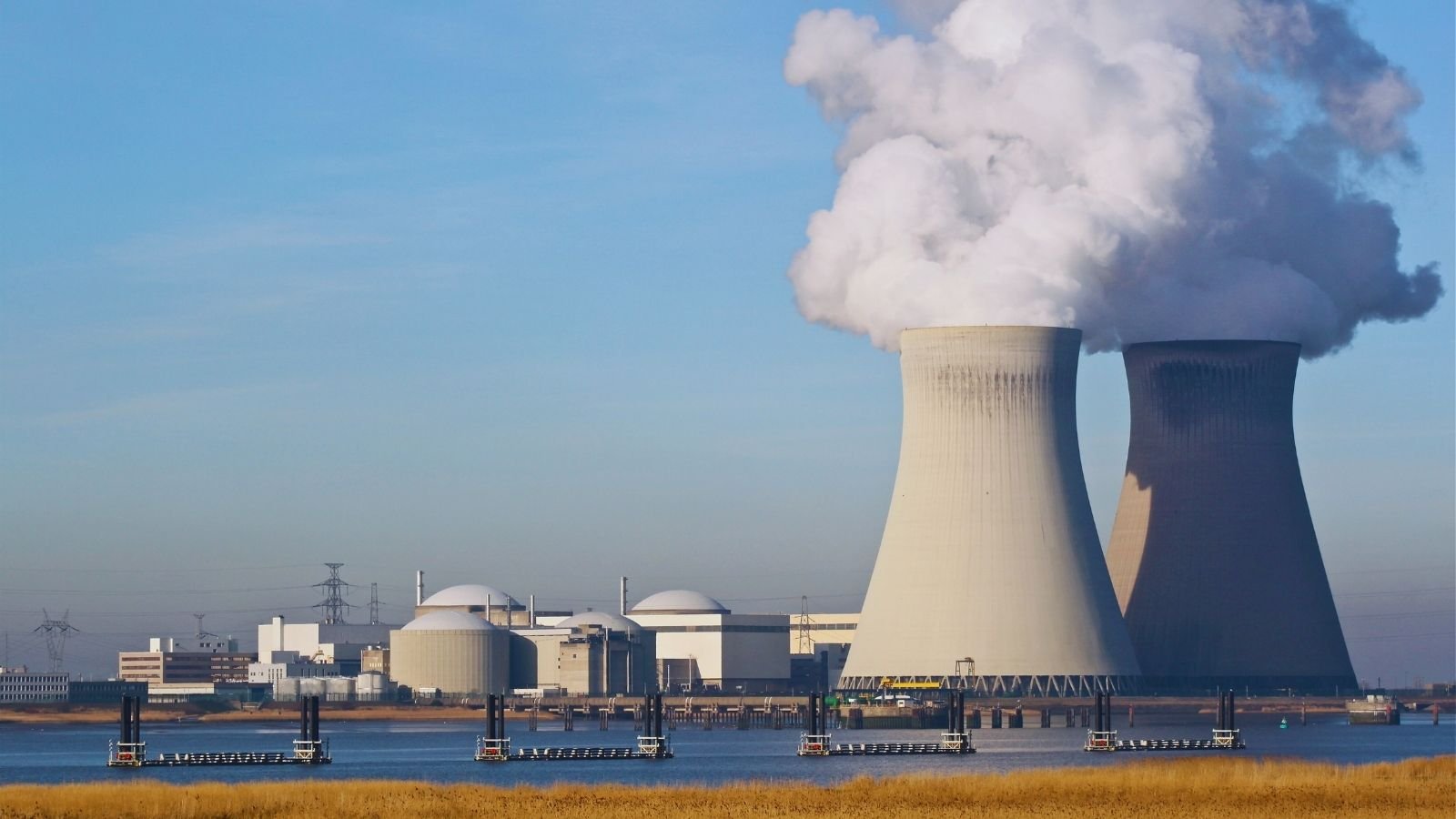
Nuclear power has an odd talent for vanishing and reappearing. One decade it sits behind a moral cordon, associated with mushroom clouds, concrete sarcophagi, and men in hazmat suits. Then, quietly, it slips back into respectable conversation, wearing a new badge that reads “low‑carbon”. Climate urgency has given it fresh credentials, although the old discomfort never fully leaves the room.
For a long time, nuclear energy occupied a strange limbo. It was not exactly banned, yet it felt socially radioactive. Governments avoided it unless absolutely necessary. Protest movements treated it as a shorthand for everything technocratic and dangerous. Meanwhile, coal and gas carried on burning politely in the background, poisoning the air in ways that felt familiar and therefore tolerable. Carbon accounting has since rearranged those moral priorities.
From a purely mathematical perspective, nuclear looks remarkably clean. Reactors do not emit carbon dioxide while generating electricity. Over their full lifecycle, including construction and fuel processing, emissions remain low compared with fossil fuels. On spreadsheets, nuclear often sits shoulder to shoulder with wind. For policymakers facing hard targets, that comparison matters.
Yet the word green has always carried more baggage than a carbon column in a report. It hints at harmony with nature, minimal harm, and limited consequences beyond the present generation. Nuclear satisfies the climate line item, but it struggles with the rest. As a result, the argument never truly settles, it only pauses.
Waste sits at the centre of the discomfort. Nuclear reactors produce relatively small quantities of waste, which supporters rightly stress. The problem, however, is not volume but intensity. Some materials remain dangerous for thousands of years. Consequently, energy policy drifts into philosophical territory. Democracies struggle to plan for the next election cycle, let alone the next millennium. Designing storage systems that must remain secure across geological time demands unusual faith in institutional continuity.
Defenders of nuclear often reply that fossil fuels also create waste, only in a more chaotic form. Carbon dioxide spreads freely through the atmosphere, altering climate systems, acidifying oceans, and reshaping ecosystems. Nobody monitors it barrel by barrel. By contrast, nuclear waste sits in containers, labelled and guarded. This comparison carries weight. Still, it does not dissolve the ethical question of deliberately creating materials that outlast civilisations.
Safety debates follow a similar rhythm. Modern reactors are vastly safer than earlier designs. Passive cooling systems, redundant controls, and stricter oversight have reduced the probability of catastrophic failure to extremely low levels. Engineers frequently note that nuclear power has caused fewer deaths per unit of energy produced than coal, oil, or even hydropower. Statistically, it performs well.
Public memory, however, does not run on statistics. Nuclear accidents imprint themselves deeply. They combine invisibility, fear, and a sense of institutional betrayal. When things go wrong, the damage feels permanent, even when cleanup progresses. For this reason, psychology matters as much as engineering. Energy systems rely not only on physics, but also on consent.
Time adds another complication. Nuclear plants take a long time to build. Planning, licensing, financing, construction, and grid connection stretch over many years. In an era defined by urgency, that timeline feels uncomfortable. Wind farms and solar parks appear far more quickly. Meanwhile, storage technologies and grid upgrades promise flexibility. Against this backdrop, nuclear risks looking like a solution that arrives just as the party moves elsewhere.
Supporters counter that speed is only part of the equation. Electricity systems also need stability. Weather does not always cooperate. Sunlight fades, wind stalls, demand peaks. Nuclear provides steady output, day and night, winter and summer. For engineers responsible for system reliability, this quality remains persuasive.
Politics quietly shapes these preferences. Nuclear energy fits the instincts of centralised states. It involves large projects, national oversight, and long‑term planning. It suits ministries, regulators, and incumbent utilities. Renewable energy, by contrast, tends to fragment power, both literally and figuratively. Rooftop solar reduces dependence on central grids. Community wind projects complicate control. From an institutional perspective, nuclear feels reassuringly familiar.
This does not mean nuclear support is cynical by default. Climate pressure genuinely forces difficult trade‑offs. Even so, convenience still matters. When faced with imperfect options, decision‑makers often choose those aligned with existing structures. Nuclear’s revival reflects environmental calculation alongside bureaucratic comfort.
France frequently appears as evidence that nuclear can deliver low‑carbon electricity at scale. Its grid has remained relatively clean for decades. That success, though, rests on specific historical conditions. Post‑war consensus, strong state ownership, and public trust in technocratic authority all played roles. Replicating that model elsewhere has proved difficult. Context matters more than blueprints.
Cost complicates the picture further. Nuclear plants are expensive. Construction budgets often swell. Delays accumulate. Financial risk concentrates heavily at the beginning of projects. In liberalised energy markets, these traits deter private investment. Governments then step in, offering guarantees, subsidies, or direct ownership. Critics argue that the same funds might achieve faster emissions cuts if directed toward renewables, efficiency, or storage.
Proponents respond that such comparisons often ignore system‑level costs. Intermittent renewables require backup, storage, and grid reinforcement. Those expenses rarely appear on the same balance sheets. Nuclear’s price tag looks daunting upfront, yet its output remains stable for decades. Over longer horizons, calculations blur.
Intergenerational responsibility remains the quiet undertow of the debate. Nuclear power asks the present to make binding commitments on behalf of the future. Waste management, decommissioning, and monitoring extend far beyond the lifespan of political systems. Some view this as irresponsible. Others see it as unavoidable. Climate change itself imposes long‑term consequences. Refusing nuclear does not spare future generations from inherited problems, it simply changes their shape.
This framing shifts the moral question. Rather than asking whether nuclear creates risk, a more relevant issue becomes which risks society prefers. Unchecked climate change threatens food systems, coastlines, and political stability. Nuclear waste threatens containment failure centuries hence. Both involve uncertainty. Neither offers moral purity.
Public opinion reflects these ambivalences. Support for nuclear has risen in many countries, often quietly. Climate concern softens resistance. Energy price volatility encourages pragmatism. Still, enthusiasm remains cautious. Few people greet new reactors with genuine excitement. Acceptance feels conditional and provisional.
Language plays a role in this shift. Calling nuclear low‑carbon reframes the discussion. It moves the technology from a moral category into a technical one. Emissions become the metric. Other concerns slide into footnotes. This rhetorical narrowing helps nuclear regain legitimacy without resolving deeper unease.
The danger lies in oversimplification. Treating nuclear as unquestionably green flattens legitimate concerns. Dismissing it as merely politically convenient ignores the physics. Both extremes reduce a complex trade‑off into a slogan.
Energy transitions rarely follow clean narratives. They involve compromise, path dependence, and imperfect choices. Nuclear’s return reflects a world running out of easy options. Renewables continue to expand rapidly, yet they struggle to meet rising demand under tight timelines. Storage improves, but not fast enough. In this context, nuclear occupies an awkward middle ground.
It is neither a silver bullet nor an anachronism. It solves one problem well while introducing others that stretch moral imagination. For that reason, debates keep resurfacing rather than concluding.
A more honest assessment recognises nuclear power as environmentally useful, politically compatible with certain systems, ethically demanding, and operationally slow. It reduces carbon effectively. At the same time, it concentrates responsibility heavily. It trades visible pollution for invisible stewardship.
Whether that trade feels acceptable depends less on engineering than on values. Societies comfortable with long‑term institutional obligation may embrace nuclear. Others may prefer distributed solutions, even if they carry different vulnerabilities. Neither path offers innocence.
The question, then, is not whether nuclear deserves a green label, but whether the urgency of climate change justifies embracing a technology that asks so much of the future. That judgement rests on trust, continuity, and beliefs about the durability of the institutions meant to keep today’s promises alive.
Nuclear power has returned because the climate clock keeps ticking. It remains controversial because it refuses to fit neatly into comforting categories. That tension may define its role in the decades ahead.