Natural Cold Remedies Your Grandmother Would Approve
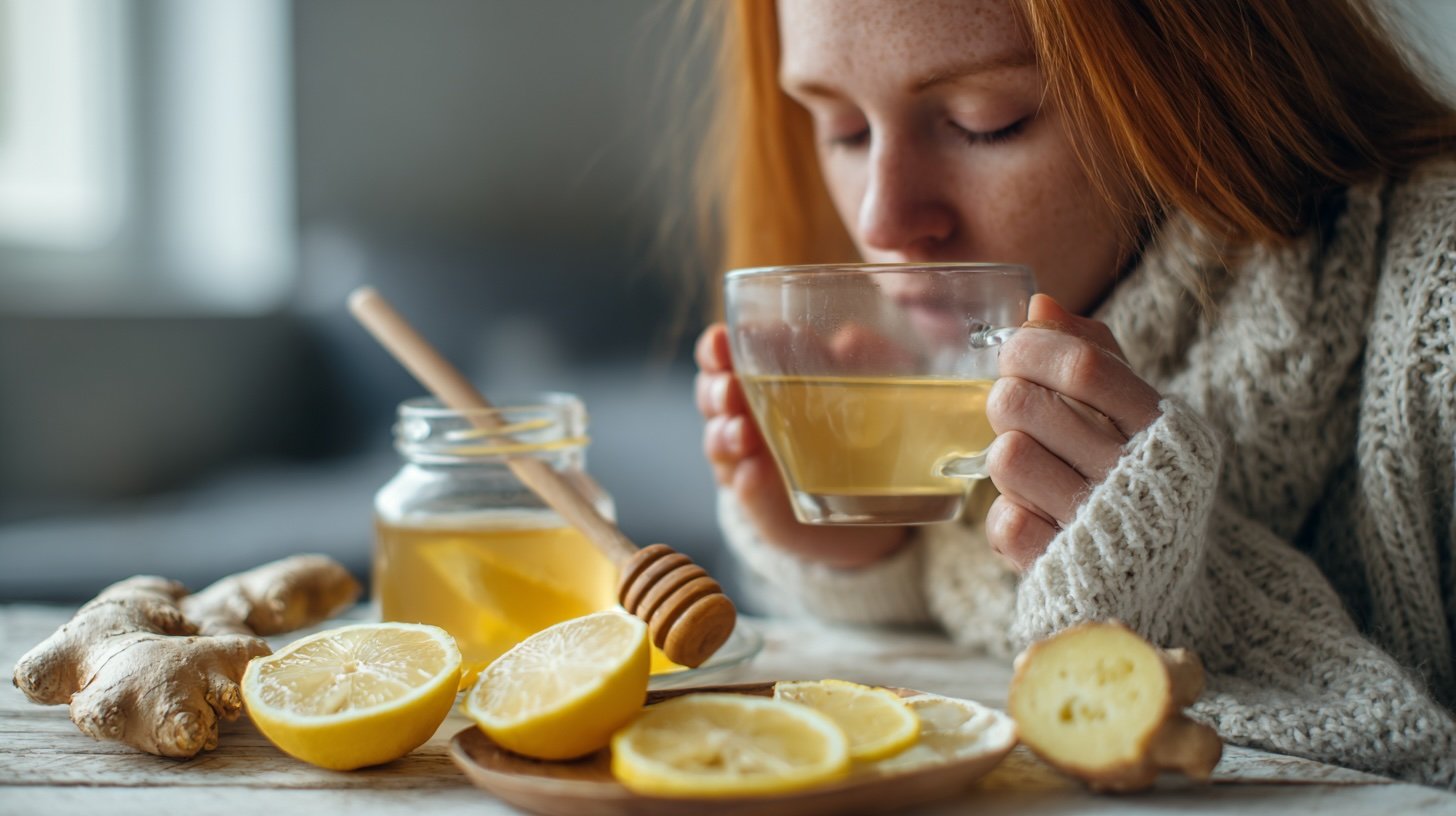
Natural cold remedies sound like the sort of cosy folklore your grandmother might have passed down while wrapping you in a blanket that smelt faintly of lavender. Yet many of these comforting concoctions sit on the right side of science too, offering real relief when your head feels stuffed with cotton wool and your nose has entered Niagara‑mode. A cold never arrives at a convenient time. It shows up before a big meeting, a long‑planned trip or the one weekend you promised yourself you’d finally relax. So people reach for whatever helps them feel vaguely operational, ideally without rattling from half a pharmacy’s worth of pills.
Natural cold remedies occupy this sweet spot between comfort and practicality. They don’t claim to perform miracles. They simply make the symptoms more bearable while your immune system organises itself and does the actual heavy lifting. With a bit of luck they’ll help you feel like a person again rather than a damp sofa cushion. This piece takes a friendly wander through the most reliable options, celebrating the humble ingredients that have soothed generations.
Everyone has a favourite cure-all. Someone will swear ginger tea works wonders, while another insists garlic can conquer half of life’s problems. What makes these options appealing isn’t just tradition. It’s the fact that many contain compounds known to play a role in easing congestion, supporting the immune system or reducing inflammation. Even the psychological comfort of a warm cup or fragrant steam matters more than people admit. Feeling cared for—by yourself, a partner or that friend who insists on checking in every hour—helps you get through the worst of a cold.
The remedy that wins the popularity contest hands-down is honey with lemon. This classic mixture feels like a warm hug served in a mug. Honey coats a scratchy throat in a way that no over-the-counter syrup quite manages, and its natural antimicrobial qualities give it a mild medicinal charm. Lemon, meanwhile, adds tanginess and vitamin C. Whether vitamin C actually shortens a cold has caused more debate than it probably deserves, but the ritual of holding a warm cup while breathing in the citrusy steam already makes life easier.
Ginger steps into the picture with a bit more attitude. Fresh ginger root has a way of waking up your senses when you’re sinking into lethargy. It contains compounds such as gingerol that support anti-inflammatory processes. People grate it into tea, add it to soups or chew on thin slices when they feel particularly congested. Even if it doesn’t speed up recovery dramatically, its warmth and spice create the illusion of having more energy than you actually do, and sometimes that’s good enough.
Steam inhalation deserves an honourable mention. It’s spectacularly unglamorous: a bowl, hot water, a towel over your head, and a posture that screams, “I’m not taking visitors right now.” But few things work so quickly at loosening stubborn mucus. The warm vapour reaches deep into the nasal passages, helping everything shift. Some people add eucalyptus or peppermint oil, which makes the whole experience smell like a spa designed by someone with a cold. The steam itself usually does most of the work.
Then there’s garlic, the polarising hero of many kitchens. Raw garlic contains allicin, known for antimicrobial and immune-supporting qualities. Chewing a clove straight up is not for the faint-hearted, and those who try it often regret their life choices about three seconds later. Fortunately, adding freshly crushed garlic to broths, sauces or stir-fries provides a kinder alternative. The subtle heat of cooked garlic still offers comfort without forcing anyone to stand three metres away from you.
Saltwater gargles have an undeniable charm, albeit one rooted in practicality rather than pleasure. Gargling warm salty water helps reduce throat swelling and dislodge irritants. It’s the sort of thing you do knowing it works, not because it appears in glamorous wellness rituals. You lean over the sink, do your dignified thirty seconds of gargling, and feel quietly satisfied afterwards.
Broths occupy a category of their own. A decent chicken or vegetable broth combines hydration, warmth and minerals. You inhale steam while sipping something easy on the stomach. It’s no surprise so many cultures swear by their version of a restorative soup. Whether it’s chicken noodle, miso-based or a deeply savoury vegetable stock, a bowl of broth feels like reassurance in liquid form.
Warm herbal teas deserve attention too. Chamomile helps with relaxation, peppermint eases congestion, and elderflower has long held a place in traditional cold care. Even the act of sitting still with a steaming cup provides a moment of calm in an otherwise miserable day. When you can barely taste anything anyway, warmth becomes the main attraction.
Natural cold remedies aren’t limited to foods and drinks. Rest remains one of the most effective tools available. The body works overtime during an infection, and pushing through exhaustion only prolongs the drama. People often underestimate the misery-reducing power of a long nap, thick socks and not pretending to be productive. Rest doesn’t sound like a remedy, but it works more reliably than almost anything else.
Hydration matters for obvious reasons, though it’s incredible how quickly people forget to drink water when they’re ill. Hot drinks help, but plain water or diluted juice also keeps things moving. When mucus becomes less sticky, everything feels easier. It’s a small detail that has a surprisingly large impact on comfort.
Spices such as turmeric and black pepper occasionally appear in cold remedy conversations. Turmeric’s curcumin has anti-inflammatory properties, and black pepper helps absorption. A warm turmeric latte or “golden milk” has crossed from traditional Indian remedies into mainstream wellness culture. People drink it for the soothing warmth as much as the potential health benefits.
Fresh fruit plays a supporting role. While no fruit magically eradicates a cold, oranges, berries, kiwis and similar vitamin-rich options support overall immune health. They also break the monotony of bland meals when your sense of taste turns uncooperative.
Echinacea sits at the edge of natural remedies, with research offering mixed results. Some people insist it shortens colds, others claim it does nothing at all. It fits comfortably into the category of “might help, unlikely to hurt.” Tea or tincture lovers keep it in their cupboards for that early tickle in the throat.
Elderberry syrup enjoys a better reputation. Studies show potential antiviral effects, though nothing that qualifies as a magic bullet. It tastes pleasantly tart, works nicely in warm water or tea, and offers a nostalgic charm reminiscent of old apothecary recipes.
Even mild movement helps. Gentle stretching or a short walk loosens tension and clears the head. Nobody expects to run a marathon with a cold, but a bit of circulation can prevent that feeling of sinking into the sofa permanently. As long as you avoid overexertion, movement supports recovery.
Natural cold remedies always come with the caveat that they don’t replace proper medical advice. When symptoms escalate or last too long, seeking help makes sense. But for the everyday annoyance of a normal cold, these remedies provide affordable, accessible comfort. They work best in combination, depending on what your body seems to crave.
The charm of natural remedies lies partly in their simplicity. A cold often forces life to slow down. People become gentler with themselves. They make warm drinks, light candles, wear slightly ridiculous but very comfortable socks and accept that productivity will have to wait. Natural cold remedies fit this mood perfectly. They don’t fight the cold aggressively. They support you while you wait it out.
In the end, the phrase natural cold remedies captures a broad mix of time-tested rituals, common-sense hydration and everyday ingredients. They aren’t heroic cures. They’re practical comforts. Warm cups, fragrant steam, healing soups and a bit of rest. When your nose refuses to cooperate and your throat aches, these small moments of care make all the difference.