Loch Lomond: Scotland Moodiest Lake
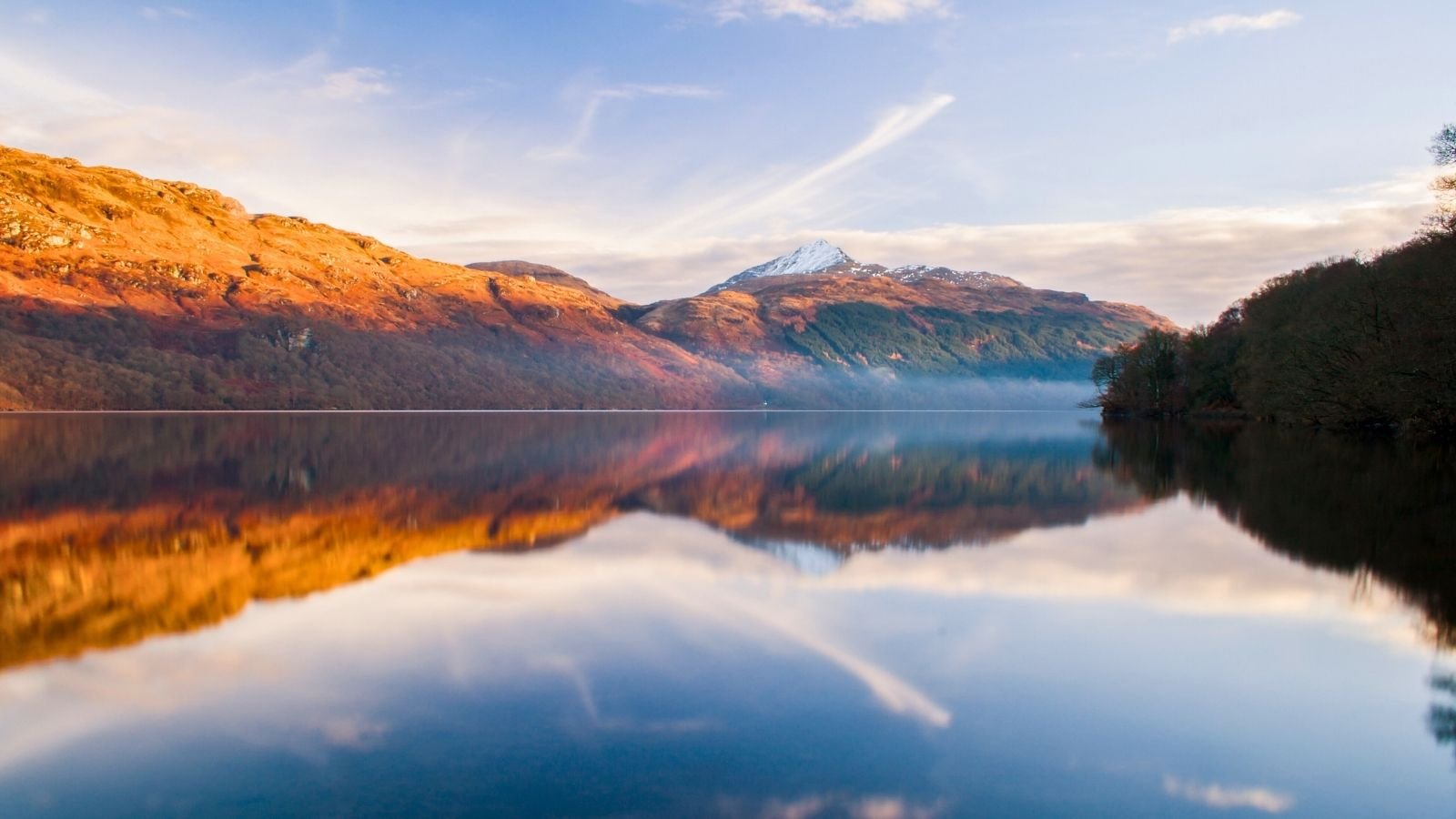
Loch Lomond greets you like an old friend who somehow knows all your moods. One minute you get Highland drama with mist rolling over mountains, the next you’re in a sunlit postcard of gentle shores and bobbing boats. The place has the kind of versatility that would make a Swiss army knife jealous. It’s outrageous, really. All this wilderness sits barely half an hour from Glasgow, yet it somehow feels worlds away, as though the Highlands staged an early takeover bid and never bothered to hand the property deeds back.
The lake itself always steals the opening scene. Britain’s largest body of fresh water by surface area stretches out with that confident, unbothered demeanour only a very large, very cold Scottish loch can pull off. It sprawls for almost forty kilometres, wide and generous in the south, river‑like and dramatic in the north. If you didn’t know better, you’d assume it had been deliberately designed to offer a bit of everything: islands, sheltered bays, wide views, mountain backdrops, beaches, woodland and the occasional goose that believes it owns the place.
People adore Loch Lomond because it makes adventure feel effortless. You don’t need crampons or survival instincts worthy of a nature documentary narrator. You just show up, breathe in the pine‑scented air and let the landscape do the heavy lifting. The national park wraps around the loch like a gigantic natural playground. Walk a few minutes and there’s a footpath. Paddle out a bit and an island appears. Glance sideways at the hills and suddenly you’re contemplating a hike you absolutely didn’t plan for but now inexplicably feel committed to.
The southern shoreline eases you in gently. This is where the loch behaves politely, posing for photos and giving everyone time to admire its neat arc of villages. Balloch is the big gateway, offering boat trips, cafés and that friendly bustle of people who haven’t yet realised their phones will soon be useless for actual thinking. Loch Lomond Shores sits here too, a place that blends waterside promenades with shopping and a rather enthusiastic SEA LIFE centre. Kids love it. Adults like it once the coffee kicks in.
From Balloch, most people discover Luss sooner or later, usually because someone in the car says, “Let’s stop somewhere cute,” and Luss is unapologetically cute. It has stone cottages, tidy gardens, narrow lanes and a beach with views that stretch forever across the loch. It’s the sort of place where you take a deep breath and tell yourself you could happily move there, even knowing full well you’d last one winter before fleeing back to civilisation and central heating.
The northern stretches offer a more muscular version of the landscape. Mountains loom, the road narrows, and the loch deepens into something brooding and magnificent. Tarbet and Arrochar nestle here, sending visitors off on adventures ranging from gentle rambles to ambitious ascents. Further still, the quiet becomes richer, broken only by the soft lap of water or the occasional roar of a motorcyclist convinced the twisty roads were built exclusively for them.
Then there are the islands. Loch Lomond has more than thirty scattered like someone threw pebbles into the water and they sprouted land. Some are private, some are wild, and one famously hosts a small colony of wallabies because Scotland clearly believes normal wildlife rules don’t apply here. The islands add mystery to the view. You gaze at them and wonder which one hides a secluded bay, which shelters ancient ruins and which might hold the perfect picnic spot you’ll never actually reach because the boat timetable refuses to align with your enthusiasm.
For anyone who loves hiking, the area is pure gold. Conic Hill is the show‑off, a steep but manageable climb from Balmaha that rewards you with a panorama so wide you’ll forget your legs have stopped negotiating. The West Highland Way snakes through nearby, tempting long‑distance walkers to spend a day tracing its edges. Forest trails wind between mossy trees, rivers trickle through quiet glens, and the air somehow carries that artisan blend of pine, heather and impending weather change.
Water adventures thrive here too. Kayaks skim across the surface at sunrise, paddleboarders wobble with admirable optimism, and sailors tack between islands as though starring in their own postcard. Cruises run daily, some short and sweet, others wandering deep into the northern reaches. The old paddle steamer, Maid of the Loch, sits on the shore like a glamorous aunt waiting for her grand refurbishment. She doesn’t move much, but her presence adds a delightful touch of nostalgia.
Wildlife lovers circle the reserve at RSPB Loch Lomond, where birds dart between wetlands and woodlands with the kind of fabricated urgency only birds understand. Deer appear at the edges of forests, otters occasionally glide through quiet shallows, and every now and then someone claims they’ve spotted a rare creature no one else sees. That’s part of the charm. The loch encourages the imagination to wander as freely as the trails.
Travellers inevitably need somewhere to rest their weary limbs, and the area obliges with an impressive range of places to stay. Cameron House is the glamorous option, a grand lochside resort with all the trimmings, perfect for those who believe holidays should come with fluffy robes and cocktails that appear without asking. At the other end of the vibe spectrum, cosy inns like the Oak Tree Inn in Balmaha deliver hearty food, friendly warmth and views that make mornings suspiciously pleasant. Classic hotels like the Loch Lomond Arms and the Inn on Loch Lomond provide that comfortable, ‘you’re in Scotland now’ feeling, while cabin stays and lodges around Balmaha and Balloch offer peaceful hideaways where the soundtrack is mostly birds and the occasional enthusiastic walker.
One of the joys of Loch Lomond is the variety of day trips that orbit it. Head east and the Trossachs unfold, complete with winding drives, more lochs than you can politely list, and forests that feel older than half the history books. Waterfalls appear without announcement, trails cross each other like overexcited scribbles, and viewpoints present you with scenery so photogenic it borders on unreasonable. Even those who claim they aren’t outdoorsy find themselves quietly planning a return visit.
The region’s charm lies in its contradictions. Accessible yet wild, polished yet rugged, popular yet capable of swallowing you into quiet solitude. Stand on the shore at dusk and the place softens into gold, the water turning calm and reflective while the hills settle into shadows. There’s a generosity in the landscape, a sense that Loch Lomond wants to be everything to everyone, and somehow succeeds.
Visitors leave with memories of vast skies, crisp air, muddy shoes, unexpected sunshine, superb seafood, hilltop views and a vague promise to themselves that next time they’ll stay longer. Loch Lomond rewards spontaneity. It welcomes planners and wanderers equally. And it carries that distinctive Scottish magic where even a simple walk feels like a miniature epic.
In the end, what makes Loch Lomond special isn’t a single attraction. It’s the accumulation of small experiences: the first glimpse of water from the road, the taste of a hot drink after a chilly walk, the sound of wind threading through pines, the thrill of spotting an island emerging through mist. The loch nudges you gently into a slower rhythm, reminding you that landscapes like this don’t need to shout.
It’s enough that they exist, stretching out quietly, waiting for you to notice.