Lentils: The Superfood of Ancient World
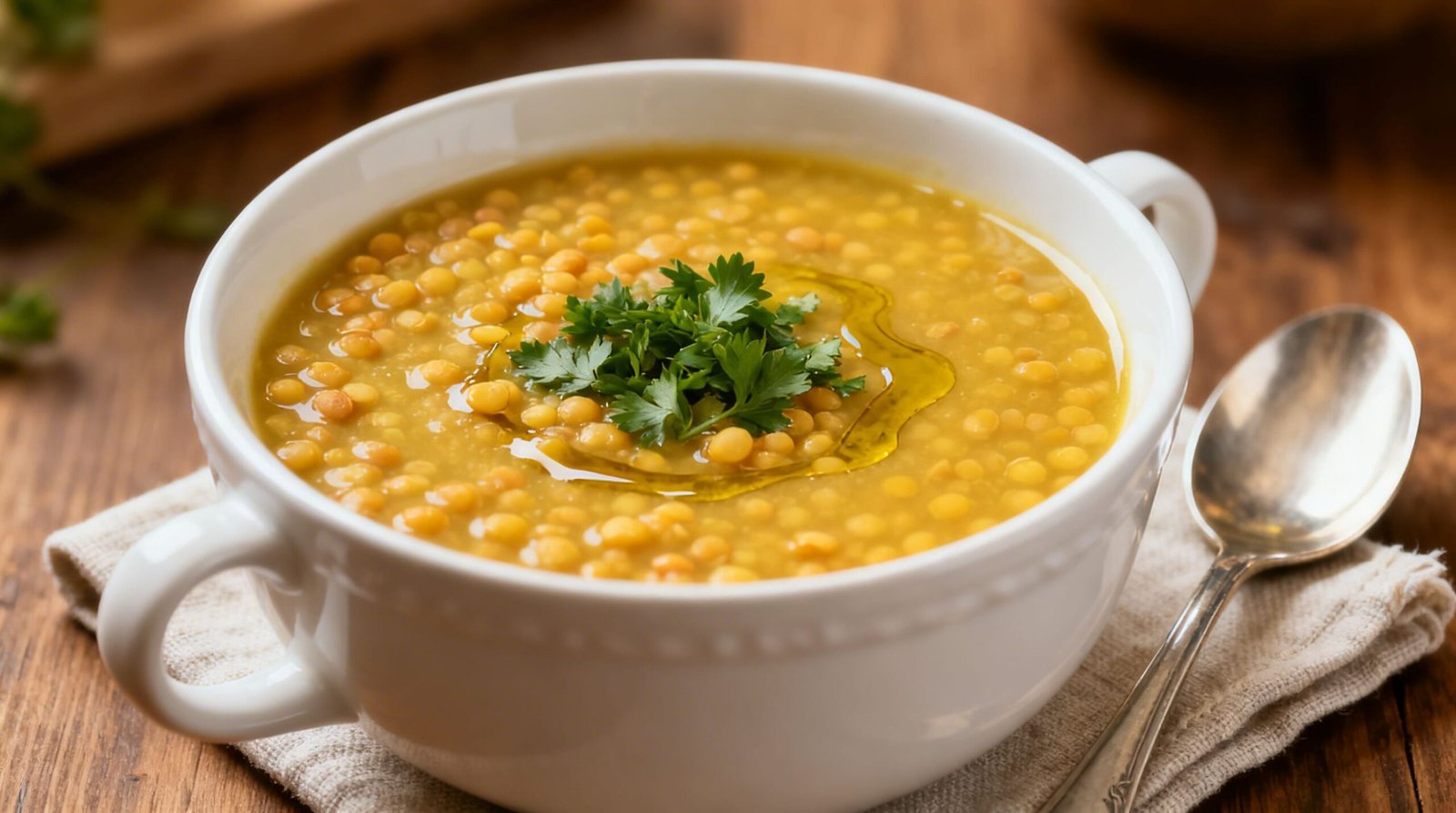
Long before anyone paid extra for chia pudding in a minimalist café, lentils had already built an astonishing career. They fed farmers, priests, traders, soldiers, monks, and grandmothers with serious opinions about proper soup. They sat in clay pots in ancient kitchens while empires rose, argued, taxed, marched, and collapsed. They crossed deserts, slipped into stews, thickened curries, and quietly did the sort of nutritional heavy lifting that modern packaging now tries to dramatise with oversized fonts and leaves printed in ethical green.
That is partly what makes lentils so funny. They do not look like a food that changed history. They look like something you might spill into a drawer and ignore for three months. Yet these small seeds helped power some of the world’s earliest settled societies. In Mesopotamia, where agriculture turned human life into something more structured and far more administratively exhausting, grains and legumes became the dependable base of daily eating. Lentils fitted that world perfectly. They stored well, cooked relatively quickly, and offered precious protein in places where meat did not stroll onto the table every evening like a minor aristocrat.
Their story starts extremely early, which already gives them an unfair advantage over most modern so-called superfoods. Lentils rank among the oldest cultivated foods on earth. People gathered and ate their wild ancestors long before anyone wrote recipes down, and farmers in the Near East domesticated them thousands of years before wellness culture learned to rename ordinary ingredients as lifestyle choices. That mattered because lentils paired beautifully with cereals such as wheat and barley. Together, they formed the sort of practical dietary alliance that built civilisations: filling, durable, transportable, and not ruinously expensive.
Ancient India also took lentils and pulses seriously, though “seriously” hardly captures it. In India, dal became less a niche health item than a daily language of nourishment. It could be humble, celebratory, regional, fiery, buttery, thin, thick, plain, luxurious, or medicinal depending on the household and the moment. That flexibility helps explain why lentils lasted where trendier foods usually fade. They were never one thing. They adapted. They absorbed flavour. They made room for cumin, garlic, tamarind, coriander, onion, tomato, ghee, coconut, black pepper, mustard seed, and family memory. Meanwhile, they remained affordable enough to matter to ordinary people, which is usually how real food history gets written.
Even the ancient Mediterranean knew lentils had range. The Bible gives them one of the greatest publicity moments in food history when Esau trades his birthright for red lentil stew. It is difficult to imagine a stronger endorsement of desirability than someone looking at a bowl and deciding inheritance can wait. Ancient Egyptians ate lentils too, and later societies across Europe, North Africa, and the Middle East kept them close. In other words, lentils did not belong to one civilisation. They belonged to the practical genius of many.
Modern nutrition, for once, mostly agrees with the ancestors. Lentils offer protein, fibre, iron, folate, potassium, and slow-digesting carbohydrates in a package that remains impressively cheap. They fill you up without demanding theatrical preparation. They also support steadier blood sugar than the usual parade of refined starches that dominate rushed modern eating. A cooked cup brings a substantial amount of protein and fibre while barely registering on the saturated-fat scale. So yes, the old societies were onto something. They may not have used phrases like gut microbiome, resistant starch, or nutrient density, but they understood very well that some foods keep people going and some foods merely keep people snacking.
Still, lentils suffer from an image problem because we live in an age that loves nutritional glamour. A berry from a distant hillside can become aspirational in about ten minutes. Lentils, by contrast, remain stubbornly sensible. They do not promise transcendence. They do not arrive in tiny pouches with a spiritual backstory. They sit on the shelf like they have seen entire empires come and go and refuse to join the marketing meeting. That lack of glamour may be exactly why they deserve more respect. A true superfood should not need a rebrand every four years.
Of course, modern food culture rarely leaves a perfectly good ingredient alone, so lentils have attracted a few predictable myths and mini-controversies. Some people worry that they are not a “complete” protein, as though every meal must perform like a bodybuilder with a spreadsheet. In reality, lentils work brilliantly as part of a varied diet, and cultures figured that out long ago by pairing legumes with grains. Others panic over lectins and so-called anti-nutrients, which sounds dramatic until you remember that ordinary soaking and cooking deal with much of the issue. Then there is the ancient and enduring complaint that lentils can cause bloating. Yes, they can, especially if your usual diet consists of very little fibre and heroic quantities of beige convenience food. That is less an argument against lentils than a slightly awkward review of the modern menu.
There is also a larger reason lentils feel unexpectedly contemporary. They speak to a future in which food has to be nutritious, affordable, and less damaging to the planet. Pulses enrich soil through nitrogen fixation and generally come with a far lighter environmental footprint than many animal protein sources. That does not mean everyone must suddenly become a prophet of lentil soup. It simply means this ancient staple looks remarkably well suited to modern pressures. Cheap food that nourishes people and asks less from land, water, and climate is not old-fashioned at all. It is strategic.
What makes lentils especially lovable, though, is their refusal to become a single-culture symbol. They belong in a smoky Turkish soup, an Indian dal, a Levantine salad, an Italian rustic stew, an Ethiopian misir wat, and a last-minute lunch assembled by someone pretending they definitely planned ahead. They can read as peasant food, comfort food, monastic food, clever food, frugal food, or deeply serious winter food. Very few ingredients move so easily between worlds without becoming bland or self-important.
So perhaps lentils deserve a better place in the modern imagination. Not because they are fashionable, but because they were useful long before fashion got involved. They nourished early agricultural societies, travelled through scripture and trade, settled into regional cuisines, and now reappear in every conversation about health, cost, and sustainability as if history is trying not to laugh. While newer superfoods chase headlines, lentils carry on doing what they have done for millennia: feeding people properly.
That may be the real test. The best foods are not always exotic, photogenic, or expensive. Sometimes they are small, earthy, almost absurdly unshowy, and older than most of our civilisational mistakes. Lentils fit that description perfectly. They were a superfood before the word existed, before the industry existed, and certainly before anyone thought to put the term on a packet. Frankly, they earned it.
Post Comment
You must be logged in to post a comment.