Lawrence of Arabia Without the Hollywood Glow
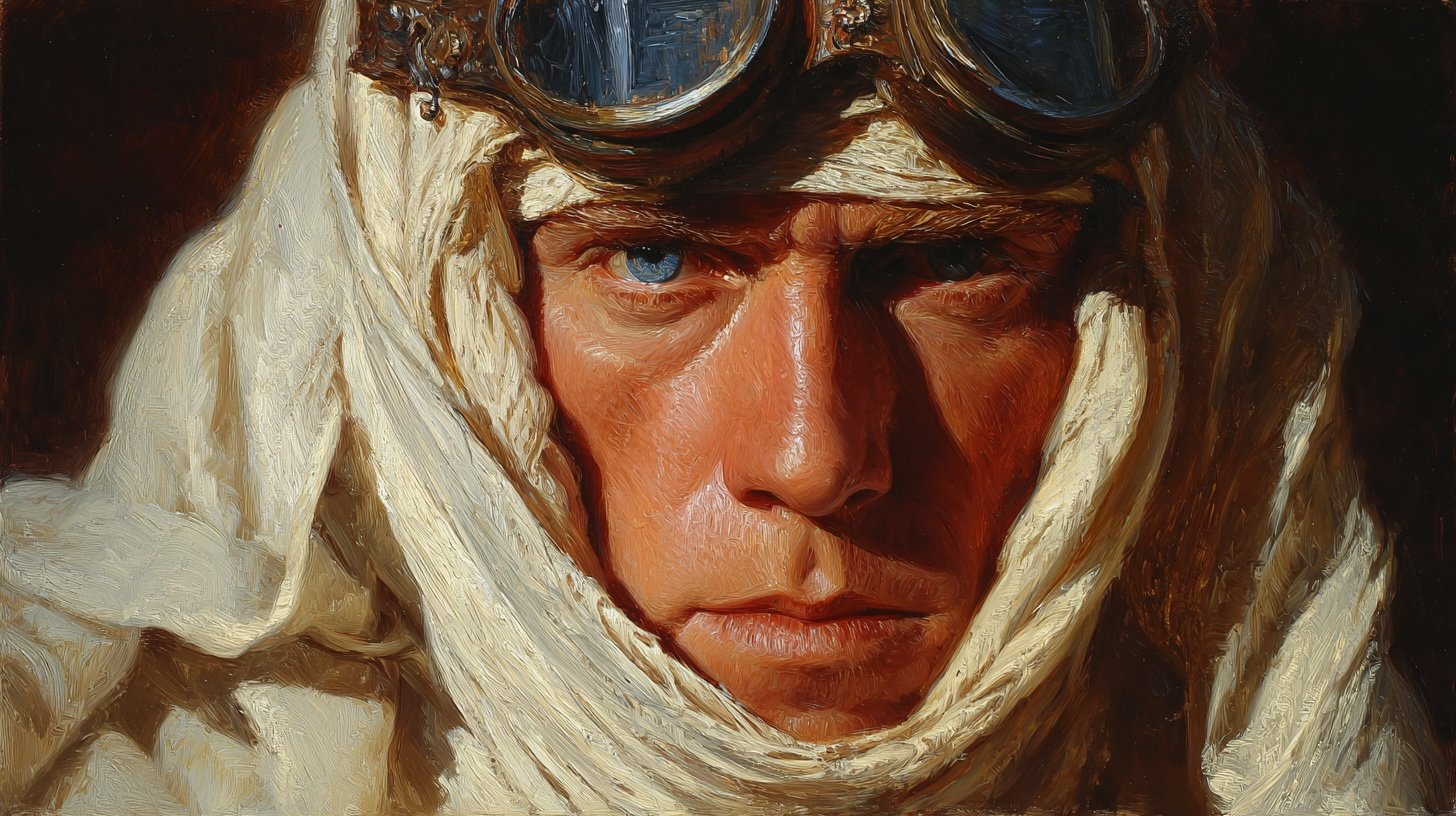
Lawrence of Arabia felt like the sort of character a novelist would dream up after too much sun and too little drinking water, yet he walked through the world in broad daylight, very much real and often painfully aware of it. The problem starts with the legend. Everyone thinks they know the story: a shy scholar turns desert hero, unites tribes, blows up a railway or two, takes Aqaba by storm, then wanders off into the sunset to write a masterpiece. The reality hums with more texture, more contradiction, and far more human awkwardness. Lawrence remained brilliant, flawed, conflicted and constantly torn between idealism and the bureaucratic machinery of an empire that promised one thing to the Arabs and quietly planned another.
The story begins in a Welsh village with the wind rushing across the hills and a small boy who spent more time cycling through churchyards than anyone thought normal. His parents lived under borrowed identities, running from scandal and the judgment of high society. Their sons grew up with a peculiar mixture of affection, secrecy and restless movement. Lawrence carried that restlessness into adulthood. As soon as he could hold a pencil, he went off sketching medieval architecture. As soon as he could travel, he disappeared into Syria, clambering up Crusader castles while studying Arabic and savouring the feeling that the world was larger than anything the textbooks had dared to hint.
Archaeology suited him because it avoided the crowd. He walked through scorching plains alone, measuring ruins and talking to villagers who found the strange Englishman with the sunburn rather amusing. The work gave him something precious: a mental map of the Middle East so detailed he could have drawn it with his eyes shut. When the First World War erupted, that obscure expertise suddenly became useful. The British intelligence services noticed the young man who spoke Arabic dialects, knew the tribes, and genuinely liked the people he met. They pulled him in, and his life veered sharply from dusty pottery shards to geopolitical theatre.
Lawrence entered the Arab Revolt with a mixture of hope, naivety and self-confidence. He believed deeply in the promise of Arab independence. He sympathised with Sharif Hussein’s sons, especially Feisal, whose intelligence and pragmatism impressed him. The trouble was that London’s romantic promises did not match its private agreements. While the Arabs risked their lives for the dream of a sovereign state, Whitehall had already carved up the region on paper with France, planning the boundaries of future mandates like someone arranging furniture.
Lawrence knew about those secret documents. The knowledge chewed at him. Yet he still rode with the Arab fighters, still made alliances, still encouraged the revolt. Critics later wondered whether he should have stepped back once he realised the scale of London’s duplicity. Others argue he stayed because he thought he could influence what happened after the war. Both explanations contain a spark of truth. He seemed forever suspended between loyalty to the people he admired and loyalty to the uniform he wore.
On the battlefield he embraced tactics that unnerved traditional commanders. He loved mobility, surprise and sabotage. A railway line was not a sacred logistical artery to be guarded by thick files of red tape. For him it was a vulnerable thread that could be snapped with enough dynamite and the right timing. He rode with tribesmen who saw him not as a saviour but as a slightly eccentric ally with a knack for blowing up trains. Those raids annoyed Ottoman garrisons, thrilled British newspapers later, and terrified anyone hoping to complete a journey without their carriage being launched into the horizon.
The capture of Aqaba became the defining moment of his wartime career. The port sat facing the sea, heavily defended against naval assault. The Ottomans felt comfortable. Nobody expected attack from the inland desert because everyone assumed only camels, heatstroke and bad decisions lived there. Lawrence and the Arab forces took that assumption, grinned, and walked straight through it. They approached from the back, surprising the defenders sufficiently to send them scrambling. The story gained mythical status, yet the victory belonged to many. Lawrence served as an adviser, a motivator and a strategist, but the tribes and commanders who stormed the hills rarely found their names printed in English-language histories. They deserved more recognition than the legend ever gave them.
The march toward Damascus felt like a crescendo. The revolting tribes reached the city just ahead of British and Australian troops. Flags went up, cheers echoed, and Lawrence sensed a brief glow of triumph. Then he remembered Sykes–Picot and realised the glow masked the approach of a long political winter. The post-war agreements sliced the region into zones of colonial influence. Everything the fighters had sacrificed became rearranged by pens in Paris and London. The guilt that seeped into Lawrence’s bones never really left.
After the war, fame arrived like a thunderclap. British society adored the exotic tale of an Oxford scholar turned desert warrior. Newspapers printed his face, novelists borrowed his silhouette, and politicians tried to pin medals on him. He hated nearly all of it. He refused a knighthood in a gesture that baffled the palace but made perfect sense to a man who felt complicit in broken promises.
To escape the circus, Lawrence disappeared. He enlisted in the Royal Air Force under a fake name, slipped into barracks life and hoped nobody would recognise him after a haircut. They eventually did, of course. He moved to the Tank Corps under yet another name. The man craved anonymity with an almost comical intensity. Fame never matched his temperament. It pressed against him like armour two sizes too large.
His writing complicated matters further. Seven Pillars of Wisdom turned into a literary drama long before a single copy reached the public. According to his version of events, the first manuscript vanished at a train station. The second draft failed to satisfy him, so he destroyed it. The third became the version known today. Whether the lost manuscript tale was true or a convenient myth remains one of the small mysteries orbiting his life. Scholars whisper that he may have enjoyed revising the story of himself as much as the war stories he told.
He polished many moments into something shinier than reality. Take his account of racing from Aqaba to the Suez in a blur of heroic exhaustion. War diaries later revealed a more measured journey with breaks, rests and occasional pauses that the myth politely stepped over. Yet the memoir never feels dishonest. It feels like a man capturing the emotional truth of a time he could barely process.
His private burdens stayed mostly hidden behind the public glare. Two of his brothers died on the Western Front. He never forgot that he survived the Levant while they perished in the mud of France. Historians sense a quiet thread of survivor’s guilt running through his later behaviour. Then there was the episode in Deraa, where he described being detained, beaten and assaulted by Ottoman forces. The event left visible scars across his psyche, though the exact details remain debated among biographers who sift through versions like archaeologists brushing sand from fragmented pottery.
As the years rolled by, the man who once rode through the desert on camelback now tinkered with RAF boat designs, wrote letters about everything from politics to motorbikes, and tried to pretend the world had forgotten him. It had absolutely not. The myth of Lawrence of Arabia grew larger than the man. Friends visiting him in Dorset found a quiet, thoughtful figure who lived with very little luxury, preferred simple food and kept celebrity at arm’s length.
His death arrived suddenly in 1935 after a motorbike accident on a small country road. He had survived guerrilla raids, ambushes, interrogation and political intrigue, only to be undone by a sharp bend and an unexpected encounter with two boys on bicycles. Britain mourned him with a mixture of shock and romantic melancholy. The newspapers printed stories that made him sound half-superhero, half-myth. Those who knew him personally remembered instead a man who felt too much, thought too much and carried both pride and regret as if they weighed the same.
The true story of Lawrence of Arabia lives somewhere between the legend and the dusty footnotes. He walked through the Middle East with genuine affection, fierce intelligence and a sense of loyalty that often collided painfully with imperial reality. He helped shape history, yet struggled with how history shaped him. The contradictions form part of the fascination. He was a hero to some, a controversial figure to others, and an enigma to almost everyone. The sands of his story shift depending on where you stand.
The longer you look at him, the more he resembles a mirror rather than a statue. Nations, storytellers and readers peer into his life and see their own ideals or disappointments staring back. His achievements mattered, but so did his doubts. His adventures dazzled, but so did his remorse. Perhaps that’s why his name still drifts through conversations and bookshelves, decades after his motorbike fell silent. The legend roared across the desert. The man whispered through its shadows, leaving behind a tale that feels remarkably human beneath the sunburnt myths.