Kimchi: Ancient Survival Trick, Modern Flavour Icon
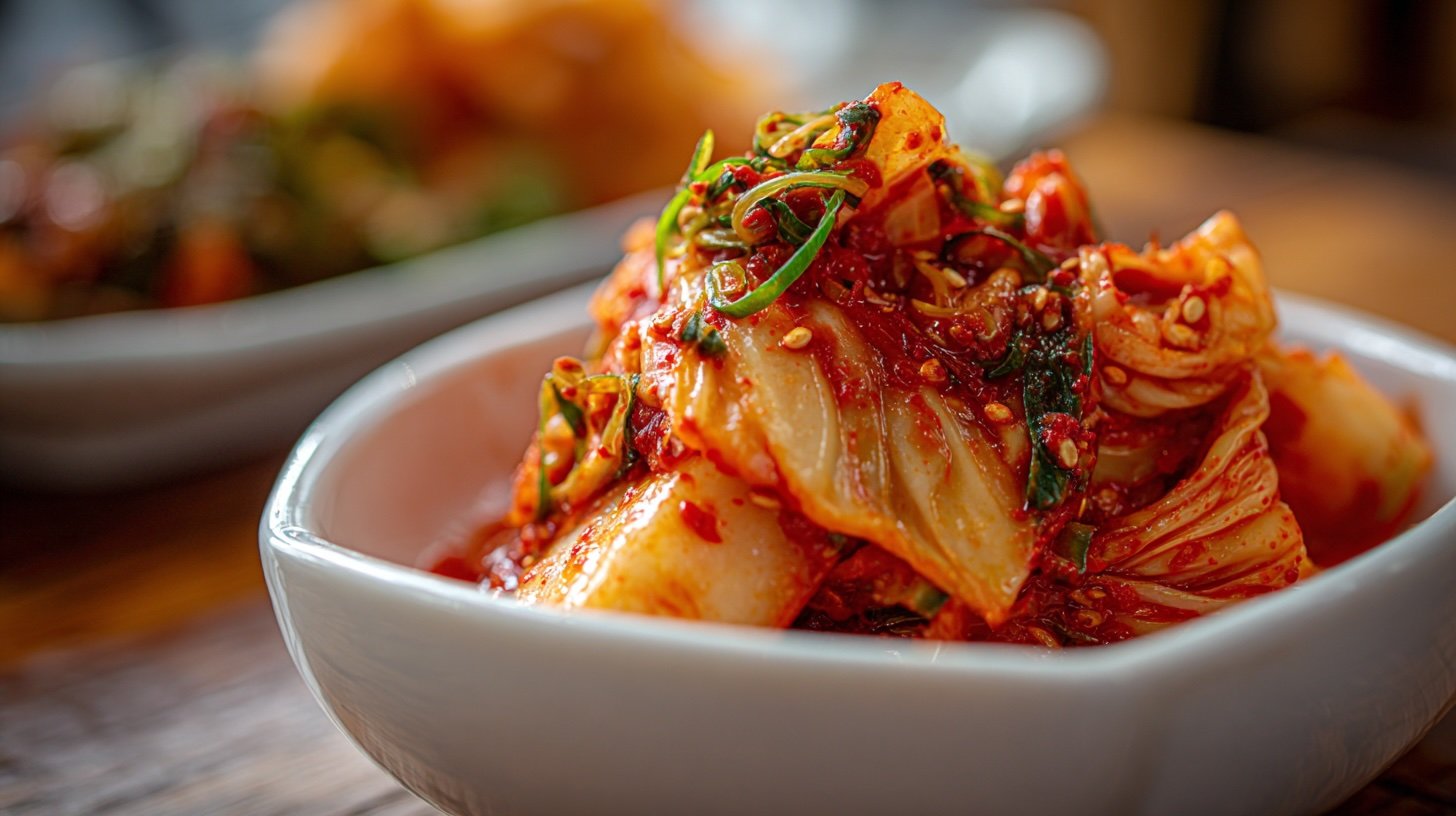
Kimchi likes to pretend it’s just a bowl of spicy cabbage, but anyone who has ever opened a jar knows it behaves more like a guest with opinions. It arrives fizzing with confidence, announcing itself with that unmistakable tang, then settles in as if your fridge was built specifically to host it. Somehow it pulls off being ancient, modern, humble, dramatic and slightly cheeky all at once. The word itself quietly hints at its origins in older Korean terms for salted, preserved vegetables, though kimchi today has stretched far beyond that neat definition. What began as a practical winter survival tactic now struts around the global food scene as if it invented fermentation.
People often treat kimchi as though it were a single, universally agreed recipe, which is sweet but wildly inaccurate. Korea developed so many regional and seasonal variations that the dish resembles a family tree that never stopped branching. You have the classics like baechu kimchi, the one that tends to turn up in London restaurants and politely blows away diners who thought they understood spice. Then there’s the cubed radish version, kkakdugi, which crunches like it’s auditioning for a sound‑effects role. Water kimchi, cool and lightly tangy, enters a room with the refreshing energy of someone who insists on opening windows even in December. Scallion kimchi behaves like the eccentric cousin who contributes unexpected glamour to a dinner table. Each variant tells a small story about climate, local harvests and what families considered essential long before electricity made fridges boringly reliable.
The story winds back thousands of years, before kimchi earned international fame. Early Koreans faced the sort of winters that made long-term vegetable storage less a choice and more a survival requirement. Salting vegetables and sinking them into brine became the clever workaround. These early versions had nothing like the fiery personality kimchi wears now. They were quiet, pale, and probably tasted polite rather than commanding. The chilli transformation arrived only after peppers travelled to Korea in the late sixteenth century. Once chillies joined the party, the dish became recognisable to modern eyes, with that iconic scarlet glow and a flavour that behaves like a friendly handshake turning into an enthusiastic hug.
Kimchi’s evolution wasn’t just culinary. It rooted itself inside cultural rituals. Families prepared vast batches each autumn in a shared activity called kimjang, which functioned as a community bonding exercise disguised as mass vegetable prep. Giant ceramic jars, onggi, stored the results. These jars were often partially buried so winter cold wouldn’t freeze the precious contents. If you ever feel nostalgic for a world powered by teamwork and ambient microbes, kimjang is the tradition you’re looking for.
The funny thing about kimchi today is how confidently it mingles outside its home country. It appears in London supermarkets beside Greek yoghurt and smoked salmon as if that’s perfectly natural. Chefs fold it into everything from toasties to pasta sauces, and no one bats an eyelid. Somewhere in Seoul, an ancestor probably feels vindicated that their winter rations conquered the world without ever hiring a marketing agency.
Health claims swirl around kimchi almost as enthusiastically as its bubbles. Fermentation produces a lively community of lactic acid bacteria that act like cheerleaders for your gut. They support digestion, help maintain microbial balance and generally behave like that friend who reorganises your kitchen and somehow improves your mood. The vegetables themselves bring vitamins A, C and several Bs, plus fibre and minerals including iron and calcium. Garlic, ginger and chilli add their own antioxidant and anti‑inflammatory flourishes. Researchers keep pointing out potential benefits for heart health and metabolic well‑being, which doesn’t surprise anyone who has watched dedicated kimchi-eaters and quietly wondered if this stuff is their secret engine.
Of course, kimchi wears one small flaw: saltiness. Historically, salt kept the vegetables from spoiling, which remains a vital part of the fermentation process. Modern eaters sometimes need to watch their sodium intake, so moderation helps. The good news is that kimchi delivers big flavour in modest quantities, so you rarely need to eat it by the bucket unless you’re performing some sort of culinary dare.
One of the more charming aspects of kimchi is how playful it becomes when people mix it into unexpected dishes. Kimchi fried rice is nearly a default setting in some kitchens because it rescues leftover rice with superhero efficiency. Add a fried egg, and you’ve created breakfast that refuses to apologise for its enthusiasm. Kimchi pancakes crisp up nicely and fill a room with the sort of aroma that makes neighbours wonder if they should upgrade their dinner plans. Even simple things like grilled cheese become shockingly interesting with a spoonful of kimchi tucked in. You suddenly understand fusion cuisine without needing a lecture.
Despite its strong character, kimchi welcomes interpretation. It adapts to vegan diets by skipping fish sauce. It tolerates bravery when people stir it into mashed potatoes. It reinvents itself in tacos and joins hands with fried chicken in ways that briefly silence sceptics. No other preserved vegetable seems so socially agile.
Kimchi also keeps its eccentricities. It ferments merrily on shelves and occasionally hisses when opened, as though greeting you personally. Sometimes it tastes slightly different each day, reminding you that it’s alive in a way supermarket produce rarely is. People name sourdough starters; kimchi deserves similar affection. After all, it performs quiet magic while you sleep.
The history, the rituals and the health benefits explain why kimchi holds such a powerful place in Korean identity. Yet the joy of it lies in how approachable it remains. A jar in the fridge becomes both a link to ancient winters and a handy flavour bomb for weekday lunches. Its spicy, tangy personality struts into dishes and gives them unexpected sparkle. It’s the kind of food that doesn’t need fanfare to feel important.
In the end, kimchi proves that preserving vegetables can create cultural icons. The dish bridges generations, enriches our gut bacteria and remains gloriously unpredictable. Every bite tells a story of adaptation, community and clever fermentation. And every jar, once opened, murmurs a reminder that the past never really stays buried, especially when it comes with garlic and chilli.