How Grimaldi Family Learned to Survive Without Conquering Anything
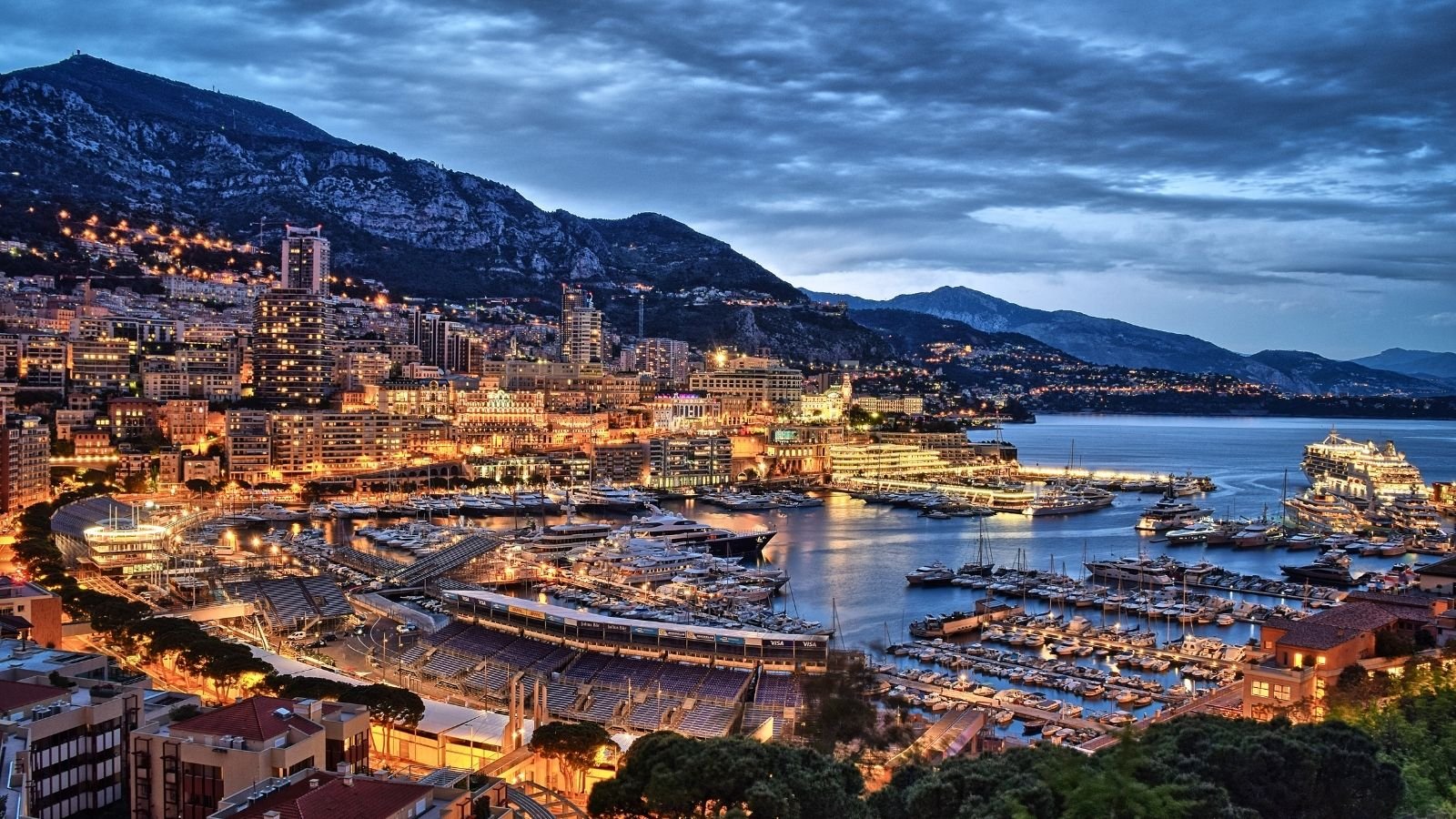
The Grimaldi family did not conquer Europe, did not build an empire, and did not rewrite the map. Instead, they did something far harder. They stayed.
Monaco begins as a rock with delusions of importance. In the late thirteenth century it was a fortified outcrop between Genoa and Provence, useful mainly for irritating larger powers. Ships passed. Armies passed. Dynasties collapsed with enthusiasm. The Grimaldi family arrived not with an army, but with timing, nerve, and a talent for making themselves impossible to remove.
The family came from Genoa, a city that specialised in factional chaos. Guelphs and Ghibellines turned politics into a contact sport, and the Grimaldis backed the papal side. When the wrong faction won, exile followed. Monaco became less a destination than a consolation prize with potential. That potential lay in its harbour, its walls, and the fact that everyone else underestimated it.
The foundational moment arrives in January 1297, when François Grimaldi seized the fortress of Monaco. The story most people know involves a monk’s robe, a plea for shelter, and a gate opened from the inside. Whether the disguise happened exactly as described matters less than the message the family chose to repeat for centuries. This dynasty would win through cleverness rather than brute force. The monk became a brand asset long before branding had a name.
What followed was not a clean victory but a century of frustration. The Grimaldi family lost Monaco repeatedly. Genoa took it back. Rival factions pushed them out. Returns were temporary, precarious, and often humiliating. Modern summaries like to imply a smooth line from 1297 to today, but the reality involved long stretches of absence, negotiations conducted from exile, and alliances that shifted whenever survival demanded it.
This instability shaped the family’s political instincts. Expansion was never realistic. Overreach meant extinction. The Grimaldis learned to think small in a way that proved revolutionary. They focused on holding one place, improving its defences, and making themselves useful to whichever power happened to loom largest at the time.
The real turning point came in 1419. Instead of taking Monaco by force, the Grimaldis bought it. The transaction, conducted with the Crown of Aragon, transformed a disputed stronghold into recognised hereditary property. Romance rarely highlights this moment, but legally owning Monaco mattered more than any daring medieval raid. From that point, eviction became harder to justify.
Ownership did not bring peace. It brought paperwork, treaties, and a permanent balancing act. Monaco sat at the intersection of French, Spanish, and Italian interests. Each saw value in keeping it out of rival hands. The Grimaldi family survived by leaning into this role. Monaco functioned as a buffer, a neutral inconvenience that prevented others from gaining too much advantage.
Over time, titles followed. By the early seventeenth century, the head of the Grimaldi family gained formal recognition as Prince of Monaco. The shift from lords to princes changed perception more than reality. Power still depended on external approval. Independence existed within carefully drawn lines.
Myth-making helped. The family encouraged the idea of an unbroken dynasty stretching back to the monk at the gate. They emphasised loyalty to the land, divine favour, and inevitability. These stories smoothed over awkward facts such as repeated expulsions, foreign protection, and periods when Monaco was little more than a bargaining chip.
Less polished truths sit beneath the surface. Early Grimaldi rule relied on privateering and semi-legal maritime aggression. The line between piracy and defence blurred easily in the medieval Mediterranean. Monaco’s harbour sheltered activities that paid the bills and annoyed neighbours in equal measure.
The population of Monaco played almost no role in these arrangements. Sovereignty belonged to the family, not the people. Decisions reflected dynastic survival rather than civic participation. This would change only much later, under pressure from modern political ideas rather than internal enthusiasm.
France gradually became the dominant external influence. Treaties tied Monaco’s fate to French interests while allowing the Grimaldis to retain their titles. Critics argue that Monaco evolved into a protectorate in all but name. Supporters counter that survival on favourable terms counts as success. Both positions hold uncomfortable truths.
The nineteenth century tested the model again. Territory shrank. Revenue sources collapsed. The family responded not with conquest but reinvention. Monaco pivoted from fortress to destination, from military liability to economic curiosity. This shift laid the groundwork for the casino economy that later defined the principality.
Throughout these changes, one pattern repeats. The Grimaldi family avoided ideological rigidity. They adapted to monarchy, revolution, empire, republic, and modern capitalism without clinging too tightly to any single system. Stability mattered more than purity.
This adaptability fuels controversy. Some see the dynasty as opportunistic, surviving by aligning with power rather than principle. Others view it as pragmatic, preserving continuity in a region famous for upheaval. The truth sits uncomfortably in between.
Modern Monaco trades on glamour, but the family story remains medieval at heart. It revolves around walls, treaties, marriages, and the careful management of stronger neighbours. Luxury arrived late. Survival came first.
What sets the Grimaldi family apart from other medieval dynasties is not conquest or innovation, but restraint. They never tried to become more than they could defend. They accepted dependency without surrender. They treated smallness as a strategy rather than a weakness.
In a Europe obsessed with scale, this was radical. While empires collapsed under their own weight, Monaco endured by refusing to grow. The Grimaldis turned limitation into longevity.
The monk at the gate remains the perfect symbol. Whether historical fact or polished legend, it captures the essence of the dynasty. Entry gained through intelligence, patience, and timing. Once inside, the door closed quietly behind them.
Seven centuries later, the rock still stands. The harbour still matters. The family still rules. Not because history favoured them, but because they learned early how to survive it.