Gozo and the Rise of the Quiet Mediterranean
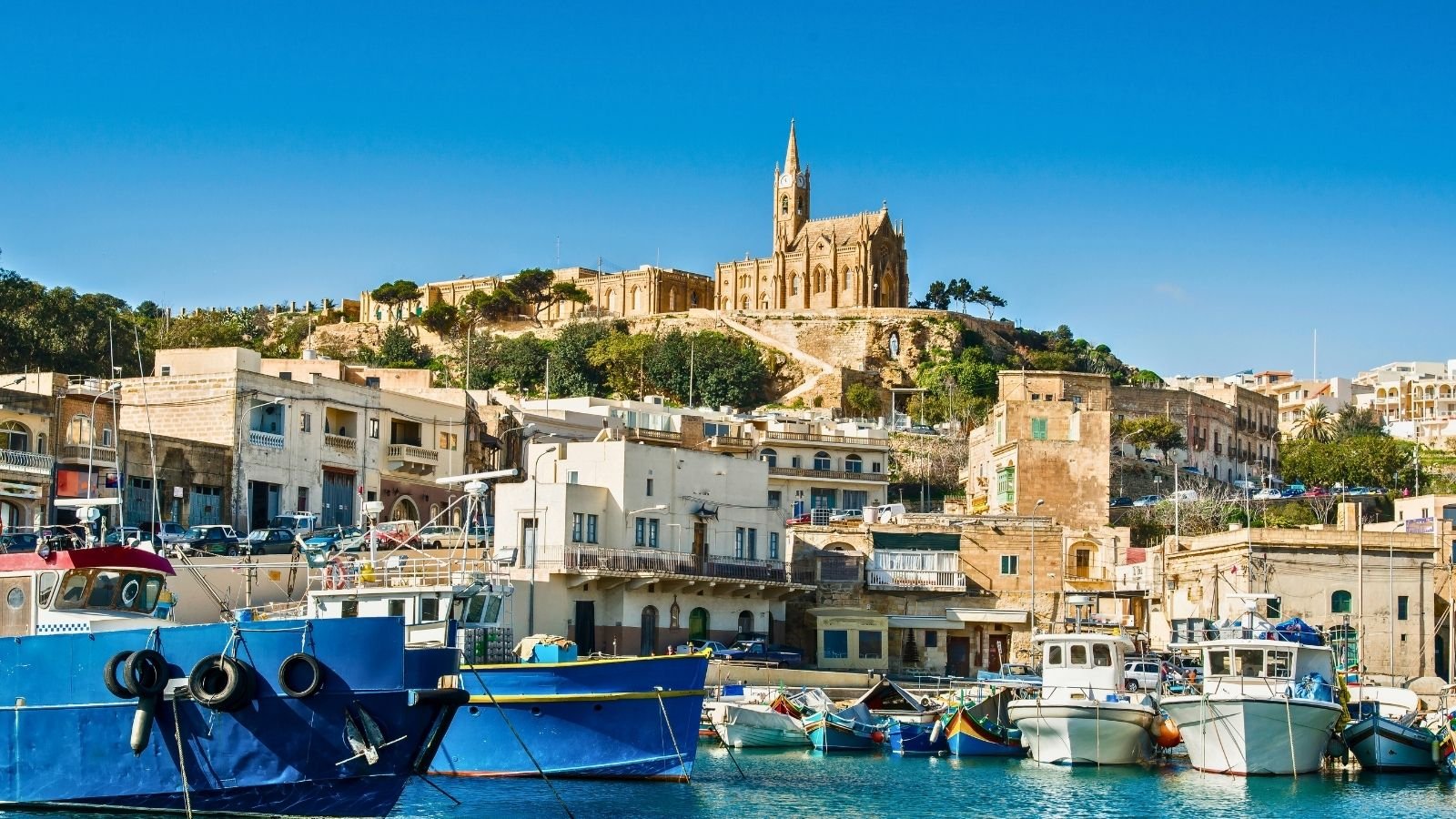
Gozo does not announce itself. It does not flash, queue, or pose. Instead, it sits slightly apart, watching the Mediterranean perform its familiar summer theatre, and carries on regardless. For years, that understatement kept it off itineraries. Recently, however, that same restraint has become the point.
For decades, the Mediterranean perfected visibility. Beaches learned how to perform in thumbnails. Old towns gradually turned into backdrops rather than places. Crowds learned where to stand for the best angle. Somewhere along the way, travel slipped from movement into performance. Gozo arrives as a quiet refusal of that logic.
The island lies just north of Malta, close enough to share history, language, and climate, yet far enough to suggest a different temperament. You do not fly into Gozo. Instead, you arrive by ferry. That short crossing matters. It slows you down before you even start. Cars queue. Foot passengers wait. The island appears gradually, not as an announcement but as a continuation.
For most of its modern life, Gozo played the role of rural sibling. Malta took the attention. Meanwhile, Gozo supplied vegetables, limestone, labour, and space. Young people crossed south for work. Visitors crossed north for a day trip, photographed the Citadel, ate lunch, and left again. Over time, that imbalance shaped expectations on both sides.
Then something shifted. It did not happen all at once. There was no campaign and no rebrand. Instead, people started staying longer. They came back. They told friends who were tired of squeezing into the same Mediterranean frames. Gradually, Gozo moved from footnote to alternative.
Crowded destinations taught travellers a strange lesson. Beauty loses its appeal when it requires stamina. Queues dull wonder. Timed slots drain curiosity. As a result, places that once promised escape now demand logistics. Gozo benefits from that exhaustion without ever mentioning it. Rather than compete, it contrasts.
The island has no interest in scale. Villages remain villages. Roads stay narrow. Buildings rarely rise above church domes. Development exists, but it creeps rather than surges. That friction frustrates investors and reassures visitors. Nothing here feels designed to impress an algorithm.
Life on Gozo still follows a recognisable rhythm. Church bells divide the day. Shops close when they feel like it. Conversations stretch. Even traffic carries a certain patience. Time does not disappear, but it behaves differently. For people arriving from cities ruled by alerts and deadlines, that difference registers almost physically.
Victoria, the island’s main town, refuses to behave like a capital. The Citadel dominates the skyline, yet not as a museum prop. People live beneath it. Children play football in its shadow. Shops cluster around its base without fuss. From almost anywhere on the island, you can see it, a stone reminder that history here remains present rather than packaged.
Beyond Victoria, villages maintain their own centres of gravity. Xagħra, Nadur, Għarb, Żebbuġ. Each has a square, a bar, a church, and a sense of itself. Festa season brings colour and noise. Even then, the spectacle belongs primarily to locals. Visitors watch from the edges, invited but not addressed.
Food tells the same story. Gozo never chased the kind of culinary attention that turns menus into statements. Restaurants remain small. Kitchens stay personal. Dishes arrive without commentary. Local cheeselets, thick bread, rabbit stews, capers, olive oil. What matters is not novelty but continuity. Recipes repeat because they work.
That modesty appeals to travellers who have grown tired of curated authenticity. There is no need to decode Gozo. It does not perform tradition for visitors. Instead, it simply keeps it.
Nature follows suit. Gozo’s coastline resists choreography. Ramla Bay’s red sand surprises without warning. Xlendi curves inward, practical rather than dramatic. Dwejra feels elemental, shaped by wind and water rather than marketing. Even when places grow busy, they empty out again. By evening, space returns to the island.
Walking paths cross farmland and cliffs without ceremony. Dry stone walls divide plots that still matter to someone. Goats graze within sight of the sea. Agriculture remains visible rather than symbolic. Because of this, the landscape feels worked rather than staged. Gozo does not exist only for leisure.
The diving scene attracts its own crowd, yet it has not swallowed the island’s identity. Underwater, Gozo offers caves and clarity. Above water, it returns to quiet. Activities here tend to coexist rather than dominate.
Another reason Gozo resonates now lies beyond scenery. The idea of escape has changed. People no longer want to disappear. Instead, they want to arrive somewhere they can inhabit. Remote work accelerated this shift, but it did not invent it. Consequently, Gozo suits longer stays. Internet connections improved without altering the physical environment. Old farmhouses gained desks. Days stretched.
Visitors increasingly describe their time on Gozo in terms of habits rather than highlights. Morning walks. Regular cafés. Familiar shopkeepers. Swimming at the same spot each evening. This language matters because it suggests attachment rather than consumption.
A particular demographic has noticed. Writers. Solo travellers. People between jobs, relationships, or phases. Gozo offers anonymity without isolation. You can be alone without feeling erased. That balance attracts those seeking pause rather than reinvention.
The island’s rising popularity remains carefully relative. Numbers have grown, but not exploded. Structural limits enforce restraint. Accommodation capacity stays modest. Infrastructure changes slowly. Resistance to large-scale development remains strong. As a result, these limits frustrate some and protect others.
With growth come questions. Property prices rise. Long-term rentals disappear into short stays. Young locals worry about affordability. Seasonal pressure strains waste systems and transport. These tensions surface quietly, discussed over counters and in village meetings rather than headlines.
Gozo recognises the trap it might fall into. Becoming visible enough to lose what made it appealing would be an ironic failure. That awareness shapes debate. The island does not agree on everything, yet it understands what is at stake.
Ultimately, Gozo offers proportion. It reminds visitors that travel does not need to be maximal to be meaningful. You do not need endless choice to feel free. You do not need spectacle to feel moved. Sometimes, familiarity delivers more than novelty.
In a Mediterranean increasingly defined by crowd management and content production, Gozo feels almost out of time. That is not nostalgia. Rather, it is practicality. The island never rebuilt itself around visitors, and now that restraint reads as wisdom.
Gozo’s appeal lies less in what it promises than in what it refuses. It refuses urgency, it refuses reinvention, it refuses to compete. For travellers who suspect that quieter places hold deeper rewards, that refusal feels like an invitation.