From Stipendium to Donatives: Roman Legionary Pay Economics
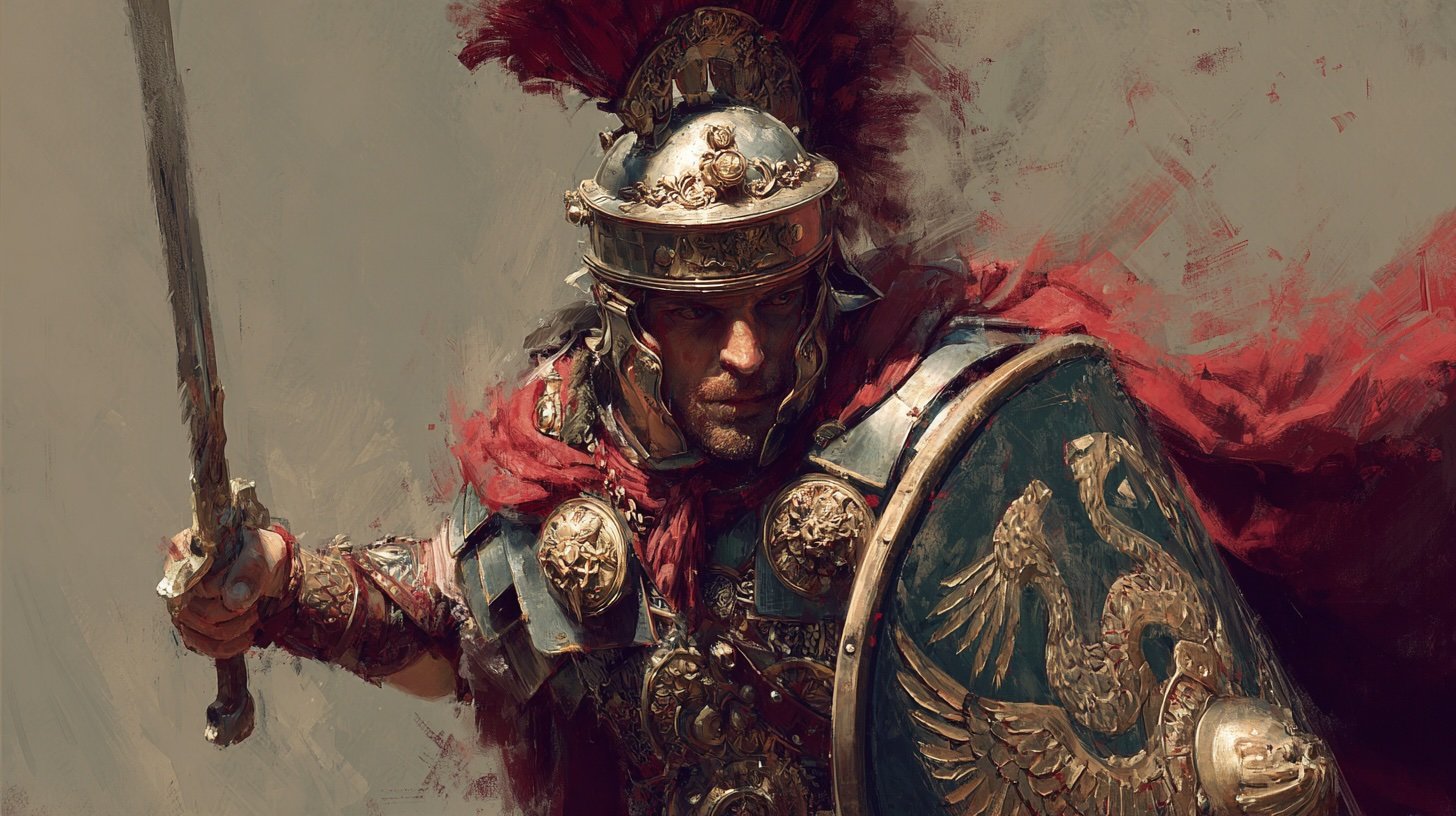
Roman legionary pay shaped not just the life of a single soldier but the rhythm of the entire Empire. A legionary knew the value of discipline, sweat, dust on the road and that familiar centurion’s stare, but he knew even more keenly the value of his wages. Roman legionary pay became the engine behind loyalty, discipline and battlefield endurance. It was the quiet force that built roads, held frontiers and kept soldiers marching long after inspiration faded. The story of Rome’s military success is, in many ways, the story of how cleverly it paid its army.
In the earliest days Romans liked to believe they fought for honour. Patriotism sounded glorious until campaigns stretched into months and then years. Noble ideals do not feed a family. Eventually someone in Rome admitted the obvious: soldiers needed proper pay. Thus emerged the stipendium, the regular payment for military service. It was not spectacular, but it was enough to make a citizen pause before returning to the plough and think, perhaps marching off to war for a season would not be such a terrible idea.
The stipendium grew in small steps, sometimes painfully small, as if the treasury negotiated with itself every year about whether soldiers truly deserved money. But Rome expanded and conflicts became longer, further, costlier. Soldiers who worried about bread at home fought with less enthusiasm than those whose purses felt reasonably weighty. As Roman politics evolved, so did its payroll. The shift from civic militia to a semi-professional, then fully professional army depended on these wages as much as on tactics or equipment.
Then came Julius Caesar. A man who understood very clearly that loyalty could be measured in silver. He doubled his soldiers’ pay and, unsurprisingly, these very soldiers supported his rise to absolute power. Money bought loyalty far more efficiently than speeches about the Republic. But Caesar’s reform was not simple bribery; it marked a decisive shift towards an army that treated warfare as a career. Serving under Caesar became financially appealing, and his legions gained that dangerous confidence which comes from knowing you are the best-funded troops in the field.
The true revolution arrived with Augustus. After years of civil war he needed stability, and stability required a predictable, well-organised military payroll. He created the military treasury and formalised retirement benefits. Suddenly a Roman soldier had something astonishing: a structured career path. Twenty-five years of service, followed by a handsome retirement bonus known as the praemium. It functioned almost like an ancient pension combined with a golden handshake. Soldiers served long careers with the single-minded determination of men who planned to collect something substantial at the end of it.
Of course, Rome being Rome, no system remained untouched for long. Every emperor wanted to be remembered as a friend of the army. Domitian added a fourth annual payment. Soldiers smiled. Septimius Severus raised wages again and made military life more tolerable by acknowledging that soldiers were human beings who occasionally liked to marry and have families. With this, the Roman soldier began to anchor himself to local communities. He bought land, raised children and became something between a warrior and a resident professional. The army grew stronger, more cohesive, more settled.
Yet along with these improvements came a new complication. The better the soldiers were paid, the more powerful they became politically. Emperors increasingly relied on the goodwill of the legions, and pay rises became a convenient tool for ensuring it. Caracalla granted another increase, partly because he wished to keep the troops happy, and partly because emperors were becoming disturbingly replaceable. The legions realised they had ultimate leverage: choose the man on the throne and he would owe them riches.
Thus emerged the donativum – the hefty one-off bonus given by a new emperor. Over time the expectation became unavoidable. Soldiers looked forward to these payments with the same anticipation others reserve for an end-of-year bonus. If an emperor hesitated, the army often reminded him who truly held power. In the third century, the legions effectively became an electoral committee with swords. Ambitious generals were proclaimed emperor in exchange for financial promises, and the treasury bled silver trying to keep up.
This created odd incentives. The Empire’s military focus shifted at times from conquest to cash-flow management. Coins lost value as emperors debased the currency to pay their troops. The soldiers were not pleased, naturally, and demanded compensation in other forms. So the state began paying them partly in kind – grain, equipment, land grants, tax exemptions. A soldier could serve, defend a frontier and run a household plot on the side. The system kept the army functioning, but flexibility came at the cost of mobility. The once highly mobile legions became more rooted to their stations.
Even so, pay never consisted solely of wages. Soldiers could earn bonuses for bravery, for successful campaigns, for long-service milestones. Spoils of war enriched many. Nothing motivated a legionary quite like the rumour of treasure in foreign lands. This financial incentive underpinned Rome’s relentless expansion. A soldier marched knowing the next province might fund his retirement.
Of course, deductions existed too. A careless soldier could lose a chunk of his wages paying for damaged equipment. A strict centurion could reduce a man’s income through fines that looked suspiciously like personal vendettas. Some soldiers joked, not entirely without bitterness, that the centurion’s vine staff hurt less than the monthly deductions.
Rome understood better than most ancient powers that money shaped behaviour. A well-paid army rebelled less, trained harder and endured more. Soldiers marched cheerfully through the rain along the Rhine when they knew the next payment was secure. The payroll became a tool of centralised control. Good behaviour meant bonuses, bad behaviour meant financial pain.
But the late Empire exposed the fragility of the system. The state’s endless civil wars strained the treasury. Inflation gnawed at wages. When pay arrived late, morale plummeted. Soldiers muttered. Commanders worried. Occasionally an emperor discovered the uncomfortable truth that a legion’s patience was only as long as the purse remained full. Delayed wages contributed to mutinies, desertions and political instability. The army that once embodied Roman discipline became increasingly unpredictable.
As monetary values collapsed, military pay shifted further towards goods and local entitlements. Soldiers became part landowner, part tax-exempt minor aristocrat, part protector of the frontier. They held a strange hybrid role that arguably stabilised border regions but eroded the idea of a unified, centrally commanded force.
Yet the overall legacy of Roman military pay is remarkable. The system—messy, improvised, sometimes brilliant, sometimes disastrous—created one of the most effective fighting forces in antiquity. By compensating soldiers fairly, Rome transformed warfare from seasonal duty into a lifelong profession. Pay structured their careers, bound them to commanders and gave them a stake in the survival of the Empire.
The silver that clinked in legionary purses shaped history. It preserved order, built roads, won battles, secured borders and sometimes even toppled emperors. It explains why Roman soldiers maintained such high standards and why their discipline became legendary. A well-paid soldier fights with purpose. Rome understood this. Its emperors never forgot it. And every legionary, polishing his armour before another long march, certainly knew it too.