From Chopsticks to Manners: How Parents Pass Culture to Children
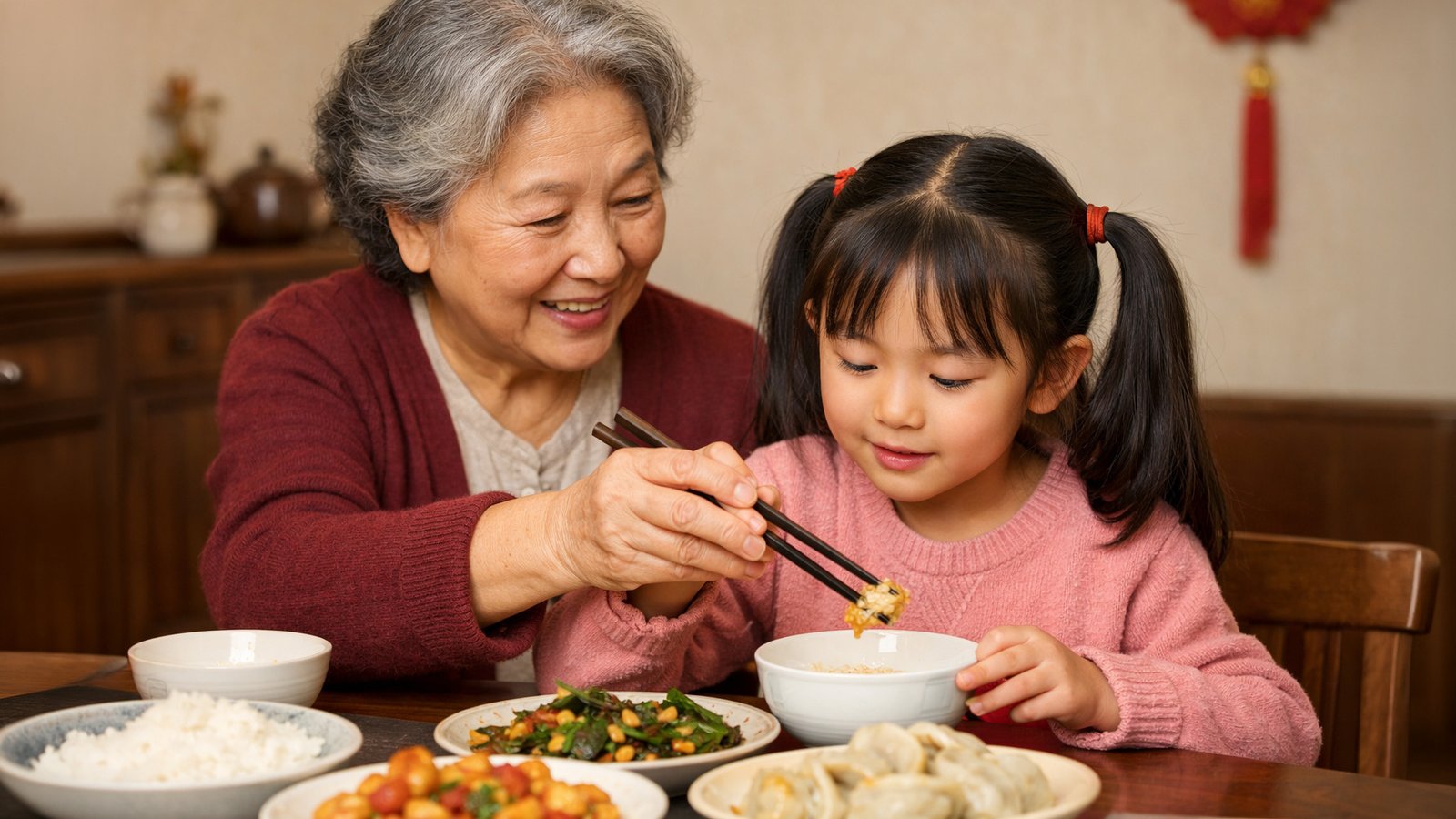
Culture rarely arrives with a speech. Instead, it turns up wearing slippers, holding a bowl, and asking whether everyone’s washed their hands. Parents transmit it not through declarations but through repetition. Consequently, they pass it on in kitchens, hallways, car seats, and dining rooms, using habits so ordinary they barely register as teaching at all.
Consider the moment a child first receives chopsticks. There is no ceremony involved. Nor is there any explanation of philosophy or history. A parent simply places two sticks into small, uncertain hands and expects something sensible to happen. Predictably, it does not. Food falls. Rice escapes. Noodles slide away like they have opinions. So the parent sighs, adjusts fingers, and tries again. This small ritual repeats over weeks, months, sometimes years. Gradually, almost imperceptibly, something larger than dexterity begins to take shape.
Chopsticks reward patience. At the same time, they punish rushing. Shovelling is impossible. Stabbing achieves nothing. Instead, movement must slow and attention sharpen. Through that process, the child learns a way of moving through shared space. Meals turn into cooperative events rather than individual refuelling stops. Because of this, eating teaches restraint long before anyone bothers to name it. That is how culture prefers to travel. Quietly. Casually. Without labelling itself as such.
The family table, meanwhile, functions as a daily rehearsal for social life. It is one of the first places where children encounter rules that are not about safety but about meaning. Don’t start before others. Avoid waving utensils around. Keep food away from pointing fingers. Such rules are rarely justified in detail. Nevertheless, justification is unnecessary. Authority comes from repetition and correction, not explanation.
Parents correct children constantly, although they would not usually describe it that way. A hand nudges an elbow down. At other times, a glance signals that talking with a full mouth is a poor idea. Elsewhere, a soft “not like that” redraws the boundary. Each correction is tiny. Taken together, however, they create a dense web of expectations. As a result, the child learns what feels right and what feels awkward. Culture embeds itself as comfort or discomfort.
Crucially, these lessons arrive attached to affection. Correction from a stranger irritates. By contrast, guidance from a parent shapes identity. Children want approval from the people who feed them, care for them, and sit opposite them every day. Therefore, habits taught at home carry emotional weight. They do not just instruct behaviour. They teach belonging.
This explains why habits outlast rules. A lecture fades quickly. Bodily memory, however, lingers. By the time a child can articulate why chopsticks should not be stuck upright in rice, the gesture already feels wrong. Meaning follows sensation, not the other way around.
Across cultures, the same pattern appears, even when habits differ wildly. In some households, children learn to serve elders before themselves. In others, open debate at the table is encouraged. Elsewhere, silence signals respect. None of these practices announce themselves as cultural training. Yet each quietly prepares children for the social world they are expected to navigate.
Parents often believe values travel through conversation. In reality, they move through logistics. Decisions about the last piece matter. So does who clears the table or pours the drinks. Even choices about who speaks and who waits carry meaning. None of these actions are neutral. Instead, they encode assumptions about hierarchy, fairness, and community.
Because habits feel practical, they rarely trigger resistance. A child might argue about bedtime. Arguments about how to hold a spoon are far rarer. The rule disguises itself as technique. As a result, culture bypasses debate and settles directly into routine.
Imitation plays a central role here. Children copy adults obsessively, especially when they believe no one is watching. They notice how parents sit, how quickly they eat, and how they treat guests. Long before children understand social norms, they perform them. Understanding arrives later, often retroactively, dressed up as common sense.
This is also where social boundaries begin to form. Mastering a habit signals membership. Doing it wrong marks you as inexperienced, young, or foreign. Children grasp this quickly. Consequently, they learn not just how to behave, but when behaviour is being evaluated. The fear of getting it wrong becomes a powerful motivator.
Parents rarely articulate this pressure, yet they enforce it gently. A whispered reminder works in public. At home, a firmer correction follows. Over time, children internalise the audience. Eventually, they begin to correct themselves. At that point, the habit has done its job.
Migration makes this process visible. When families move, everyday habits collide first. Language adapts surprisingly quickly. Table manners, however, lag behind. Parents cling to familiar routines not because they are efficient but because they anchor identity. Meanwhile, children learn new habits outside the home and bring them back in. As a result, the dinner table becomes a negotiation site between continuity and adaptation.
Arguments about utensils, food smells, or eating speed often sound trivial. In reality, they are anything but. These moments turn into debates about the kind of person a child should become. Questions of blending in versus standing out creep in quietly. Choices between efficiency and ritual follow close behind. Even the pace of a meal becomes symbolic, fast or shared, functional or social. Each of these decisions carries cultural weight.
What makes everyday habits so durable is that they require effort. Teaching a child to use chopsticks takes time. It slows meals down. It tests patience on both sides. That investment matters. It signals that the habit is worth preserving. By contrast, disposable habits vanish quickly. Enduring ones demand commitment.
Because of this, culture often survives in small gestures even when larger traditions fade. Festivals disappear. Languages weaken. Yet table habits persist. A second-generation child might not speak the language fluently. Still, they often eat the same way as their grandparents.
This persistence explains why people feel oddly emotional about table manners. They are not simply about food. Instead, they are about memory. They connect generations through repeated movement. When a parent corrects a child’s grip, they echo corrections once directed at them. The gesture carries lineage.
Eventually, children reach the stage where they question these habits. Why does it matter. Why not do it differently. Parents often struggle to answer convincingly. They reach for phrases like “that’s just how it’s done” or “it’s rude otherwise”. These answers sound weak. Even so, the habit usually survives the questioning phase. It survives because it feels right, not because it has been logically defended.
Later still, something curious happens. The child becomes the corrector. They notice someone holding chopsticks incorrectly. Almost instinctively, they feel an urge to intervene. At that moment, the habit reveals its success. Culture has transferred.
None of this requires ideology. Values go unspoken. Identity remains unnamed. Instead, the process runs on routine. That is precisely why it works.
In an age obsessed with explicit teaching, everyday habits remain stubbornly effective. They do not compete for attention. Rather, they assume it. They slip past resistance and settle quietly into daily life. Parents may worry endlessly about what to say to their children. Meanwhile, what they do continues to speak far louder.
Culture, in the end, prefers the long game. It waits at the table. Patiently, it repeats itself. It trusts that small gestures, practised often enough, will outlast speeches every time.