Fibre Cuisine and Rebellion Against Smooth, Fast Food
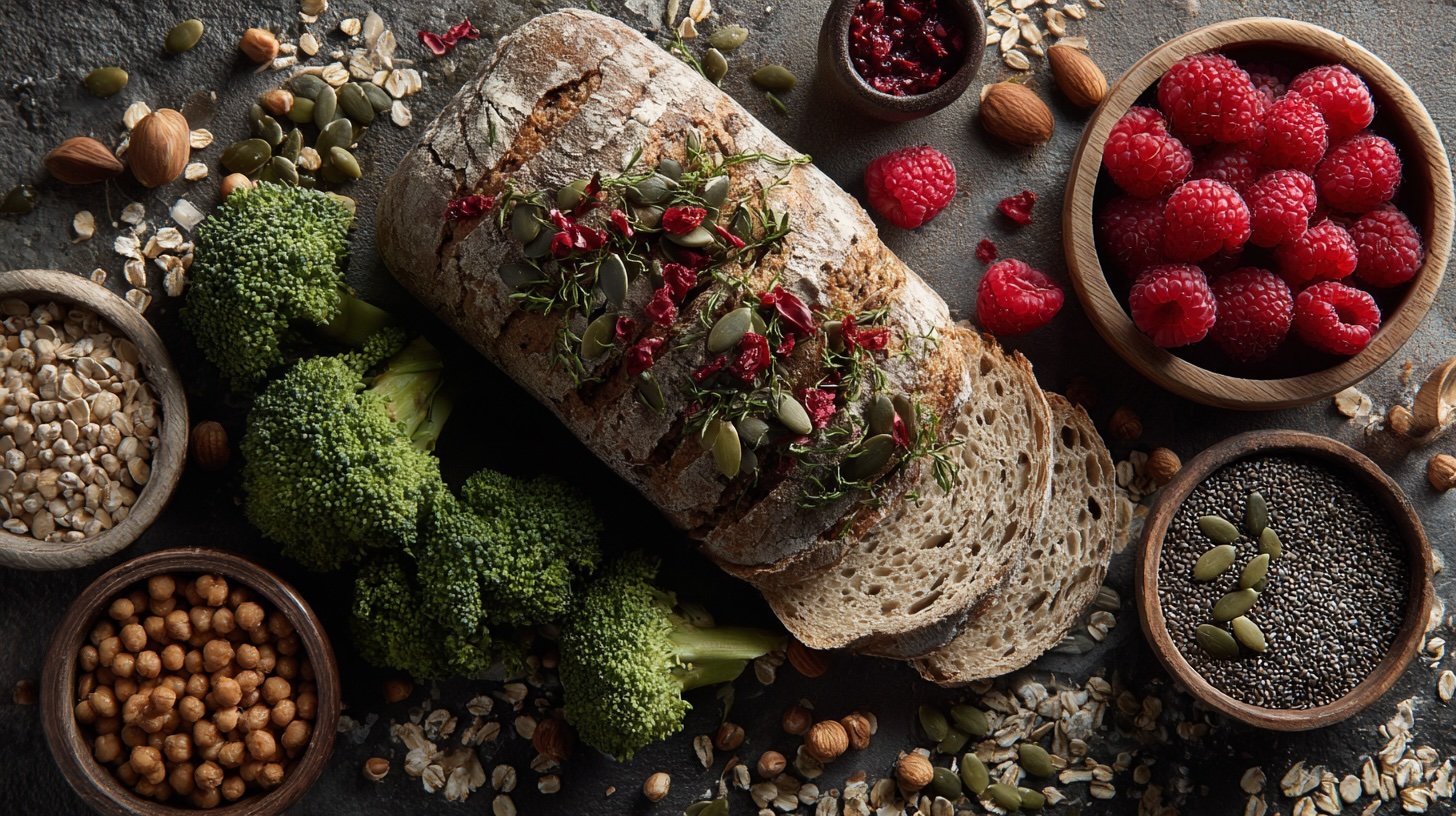
Fibre cuisine does not arrive with fireworks. Instead, it avoids promises of transformation, purity, or a new identity. Rather, it turns up quietly, usually after something else has failed. A diet ends. A reset disappoints. A way of eating looks efficient on paper and feels awful in practice. Fibre cuisine appears not as a trend, but as a correction.
For most of human history, eating involved resistance. Grains required grinding. Beans needed soaking. Vegetables demanded chewing. As a result, digestion moved slowly because food arrived slowly. Fibre was not a feature; it was the default setting. Only recently did it become something added back in, measured in grams and marketed as a benefit rather than a given.
Modern food systems trained us to expect smoothness. Bread arrives without texture. Sauces come without sediment. Meals slide through the mouth and disappear without friction. Fibre interrupts that expectation. Instead, it adds drag and insists on being noticed. In a culinary culture obsessed with speed, fibre cuisine feels quietly defiant.
At its simplest, fibre cuisine means building meals around foods that still behave like plants. Whole grains replace refined flour. Lentils stand in for protein isolates. Vegetables crunch, wilt, soften, or resist rather than dissolve. It is less about subtraction and more about reinstatement. Something disappeared along the way, and fibre puts it back.
The nutritional argument for fibre cuisine is well rehearsed, yet it is often badly explained. Fibre slows digestion, which stabilises blood sugar and softens insulin spikes. It increases satiety, making overeating less likely without relying on discipline. It feeds gut bacteria, which then produce compounds linked to reduced inflammation and improved metabolic health. None of this is glamorous. Crucially, it works over time rather than overnight, which makes it difficult to sell.
Where fibre cuisine becomes interesting is not in biochemistry, but in experience. Fibre changes how meals feel. It stretches time. A bowl of beans with bread and olive oil occupies you longer than a smoothie ever could. Chewing becomes part of the meal again. Hunger arrives later and more gradually. Eating regains edges.
A persistent myth claims that fibre cuisine means joyless food. Brown rice becomes punishment. Dry lentils signal virtue. Steamed vegetables appear without salt or fat. This version deserves its poor reputation. Fibre cuisine does not ask for suffering. Historically, the most fibre‑rich food cultures produced some of the most satisfying meals. Slow‑cooked chickpeas in Spain, ribollita thick with bread and beans, dal finished with spices, barley soups enriched with butter, or corn tortillas built to carry beans, squash, and chilli all tell the same story. Fibre was never eaten alone. It travelled with flavour.
Another myth suggests that more fibre automatically means better health. In reality, fibre behaves like a guest that needs introduction. Increase it too quickly and the gut rebels. Bloating, cramps, and discomfort follow, not because fibre is harmful, but because digestion adapts at its own pace. Fibre cuisine works when it grows gradually, favouring variety over intensity.
This distinction matters because fibre is not a single substance. Soluble fibre dissolves and forms gels, slowing digestion and feeding microbes. Insoluble fibre adds bulk and encourages movement through the gut. Some fibres ferment enthusiastically and produce gas. Others pass through quietly. Fibre cuisine succeeds when it mixes types rather than fixating on totals.
Controversy appears when fibre cuisine collides with modern diet ideologies. Low‑carb and carnivore movements often frame fibre as optional or even problematic. The argument usually rests on short‑term comfort rather than long‑term patterns. Yes, some people feel better initially when fibre disappears, especially if their previous diet relied on poorly tolerated fibres or ultra‑processed foods. That does not mean fibre itself was the problem. Instead, context mattered.
Large population studies consistently associate higher fibre intake with better long‑term outcomes. Cardiovascular risk drops. Glycaemic control improves. Digestive complications become less common. Fibre cuisine does not promise immunity from illness, but it quietly stacks the odds in your favour. It plays the long game, which keeps it unfashionable.
Then there is the question of added fibre. Food labels now boast impressive numbers thanks to isolated fibres extracted from plants and stirred back into bars, cereals, and drinks. Technically, fibre is present. Functionally, something is missing. Intact foods behave differently from reconstructed ones. Chewing matters. Structure matters. The way food breaks down matters. Fibre cuisine tends to distrust shortcuts, not out of purity, but because experience shows they rarely deliver the same result.
Traditional food cultures understood this intuitively. They also understood something else that modern fibre cuisine sometimes forgets: preparation matters. Soaking, fermenting, sprouting, and slow cooking all change how fibre behaves. These methods reduce digestive stress and improve mineral absorption. When they disappear, fibre can feel harsher than it needs to be. The problem is not the beans. It is how they were treated.
Fibre cuisine also exposes a quiet inequality in modern eating. Cooking beans takes time. Preparing vegetables requires space. Planning whole grains demands mental bandwidth. Ultra‑processed, low‑fibre foods spread not because people rejected fibre, but because daily life shrank the margin for effort. When fibre cuisine sounds preachy, it ignores this reality. When it works, it adapts.
The cultural framing of fibre deserves attention too. Fibre has been marketed as medicinal rather than culinary. It becomes something endured for health rather than enjoyed for its own sake. This framing does fibre no favours. No one builds lasting habits around obligation alone. Fibre cuisine succeeds when it reconnects fibre to pleasure, memory, and comfort.
Look closely and fibre is already returning under different names. Rustic. Hearty. Slow. Peasant food. All are euphemisms for meals that resist refinement. Restaurants rediscover grains with chew. Home cooks return to soups that improve overnight. None of this arrives labelled as fibre cuisine, yet fibre sits at the centre regardless.
There are limits. Extremely high‑fibre diets can interfere with mineral absorption if poorly balanced. Certain medical conditions require careful fibre management rather than blanket increases. Fibre cuisine does not erase individual difference. Instead, it rewards attention.
Perhaps the strongest case for fibre cuisine has little to do with digestion. Fibre restores consequence to eating. It reminds the body that food has weight, time, and texture. In a culture trained to consume without friction, fibre slows the conversation between hunger and satisfaction. Eating feels finished again.
That may explain why fibre cuisine keeps resurfacing despite never becoming a headline trend. It does not shock the system. Instead, it steadies it. In a food landscape built on extremes, fibre cuisine occupies the middle ground. Ordinary. Reliable. Slightly stubborn. Like most things that actually last.