Claydon House: A Stately Home with a Flamboyant Identity
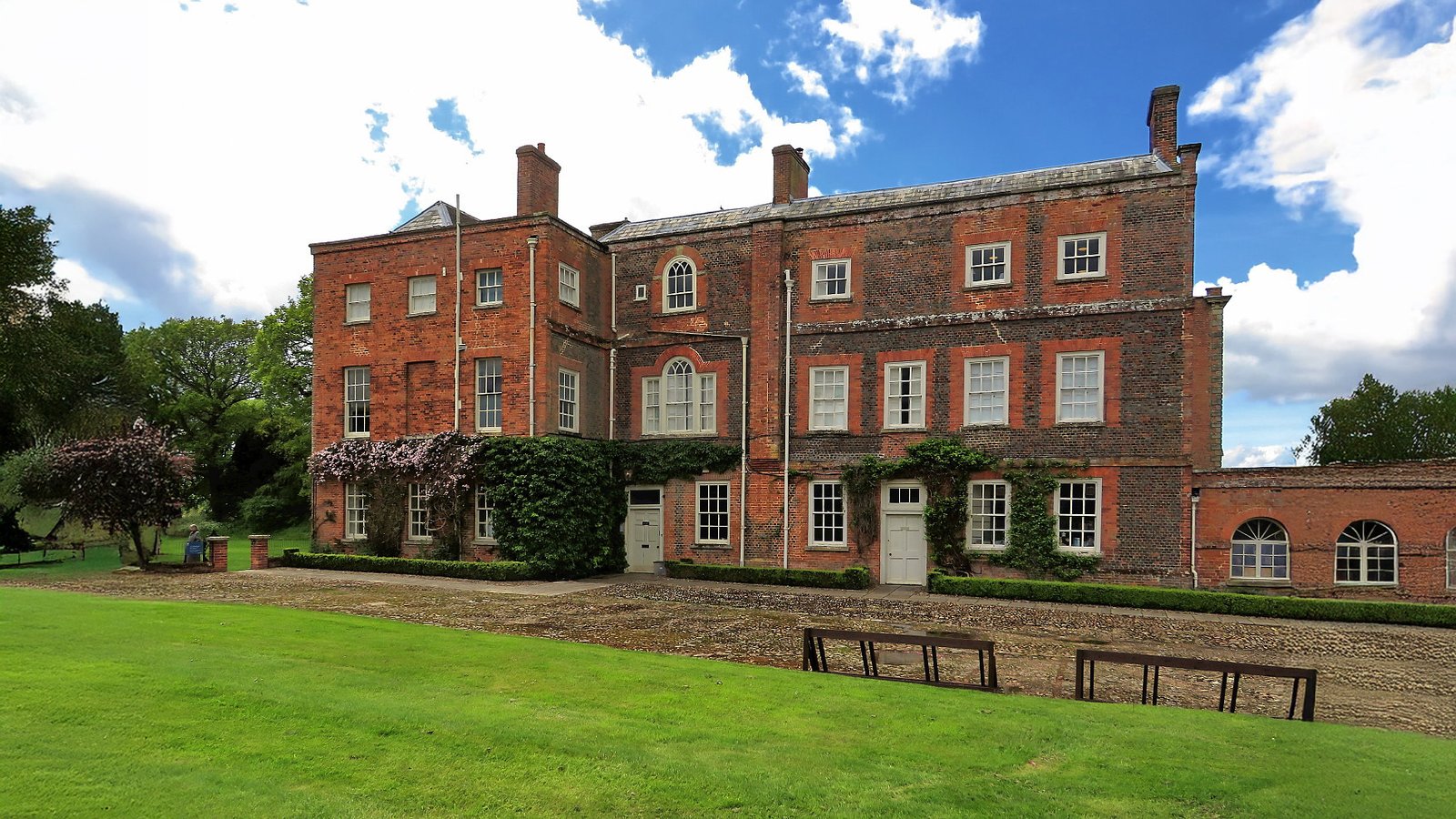
If Jane Austen ever fancied a location shoot for Mansfield Park, Claydon House would have fitted the bill perfectly—except perhaps for the elephant-shaped bathtub and the faint scent of Turkish intrigue lingering in the drawing room. This curious, theatrical stately home in the Buckinghamshire countryside isn’t just another aristocratic pile stuffed with faded portraits and peeling frescoes. It’s a place where the walls have eyebrows. And secrets. And possibly some tea left unsipped since 1790.
Start with the Verneys. The family tree resembles a particularly stubborn bramble, entangled with Parliamentarians, naval commanders, women who read far too much, and at least one rather famous letter-writer: Florence Nightingale. Yes, that Florence. She wasn’t just dabbling in battlefield sanitation; she spent many summers sketching by the windows at Claydon House and avoiding dinner conversations with earnest uncles.
The original Claydon House got the Georgian treatment in the 1750s, when Ralph Verney, 2nd Earl Verney, decided he needed a place that screamed, “I went on the Grand Tour and have Opinions.” The result was a baroque-meets-bonkers concoction. Think rococo ceilings dripping with plaster foliage, doors that pretend to be bookcases, and a Chinese Room that looks like Chippendale and a silk merchant had an opium-fuelled brainstorming session.
About that Chinese Room. It’s not wallpapered, it’s wooded. Carved limewood panels hand-painted to resemble silk, which in turn was trying to imitate lacquer. There are pagodas. There are birds mid-argument. There are dragons that would scare any respectable 18th-century guest into dropping their sherry.
Earl Verney’s architectural ambitions got slightly ahead of his bank account. Half the house was never built. Of course, what he did finish was enough to alarm his accountant and impress the neighbours. When the poor man died in 1791, he left debts the size of Luxembourg and rooms filled with too many chairs and not enough heirs.
Then came Florence. In a world where women were supposed to faint artistically and maybe embroider something with ivy leaves, she stomped about doing statistics. Her connection to Claydon came through her sister Parthenope, who married into the Verney clan and dutifully moved into this eccentric dollhouse of Enlightenment excess. Florence adored the place, except when she didn’t. She described it as both “dear” and “horrid,” which sounds about right.
She wasn’t alone in her ambivalence. Claydon House feels like it can’t decide whether it wants to host a Handel recital or a séance. There are echoes of Ottoman obsession tucked into alcoves, a Moorish tented ceiling here, a gilded column there. There’s even a peacock feather motif that crops up suspiciously often, as if the decorator had a thing for flamboyant poultry.
And then there’s the elephant in the room. Or, more precisely, the elephant bath. Hidden away in what used to be Lady Verney’s bathroom is a porcelain tub shaped like an elephant, complete with trunk and tail. Nobody’s entirely sure why. It might have been a reference to the East India Company, or just a bold statement about hygiene. Regardless, it remains one of the more baffling plumbing choices in Britain.
The library offers another slice of Claydon oddity. Shelves groan under books that haven’t been opened since George III was lucid. There’s a signed letter from Benjamin Disraeli. There’s also a small bell which allegedly summoned the footman who specialised in finding mislaid lorgnettes.
Visitors today might spot a worn chessboard left mid-game. No one knows if it was Florence or her cousin who last moved the queen, but it adds to the sense that time got tangled up here. There’s also a secret passage rumoured to run from the house to the stables, perfect for midnight escapes or possibly just dry-footed dashes during drizzle.
One wing of the house remains privately occupied by descendants of the Verneys. They occasionally peer out during historical re-enactments or to correct the pronunciation of “rococo.” The National Trust maintains the rest, with their usual flair for quiet reverence mixed with biscuit availability.
Claydon’s gardens play their own tricks. What seems formal at first glance reveals hidden paths, a Chinese bridge, and a ha-ha wall that made more than one unsuspecting guest lose their footing. They were designed with the same giddy flourish as the interiors, though with fewer dragons.
The ceilings, now slightly faded, once inspired guests to lie flat on their backs in admiration. Some still do. The staircase is part sculpture, part accident waiting to happen. And the salon’s parquet floor was apparently laid by a man who thought symmetry was for cowards.
Some rooms are roped off, which somehow makes them more intriguing. What are they hiding? Old manuscripts? Unfinished novels? A particularly stubborn ghost who refuses to modernise?
During the Second World War, the house found a new role. It housed evacuees, then later served as a storage facility for archives. Not quite Downton Abbey. More like Hogwarts during term break.
The gift shop offers the usual heritage fare—lavender sachets, local jam, notebooks pretending to be Victorian. There’s a tea room too, mercifully modern, although if you linger long enough near the fireplace, someone might tell you about the time a bat flew through the Chinese Room during a summer gala.
Claydon House isn’t grand in the Windsor Castle sense. It’s eccentric, personal, theatrical. The kind of place that doesn’t just show you history—it nudges you with it, then offers you a cup of tea and a scandalous anecdote about the 6th baronet. It’s a layered cake of English aristocracy, Enlightenment ambition, and whimsical taste that got slightly out of hand.
And while the elephant bath might not be practical, it sums up Claydon rather well: beautifully unnecessary, fabulously strange, and proud of it.