Before Instagram, There Was the Daguerreotype
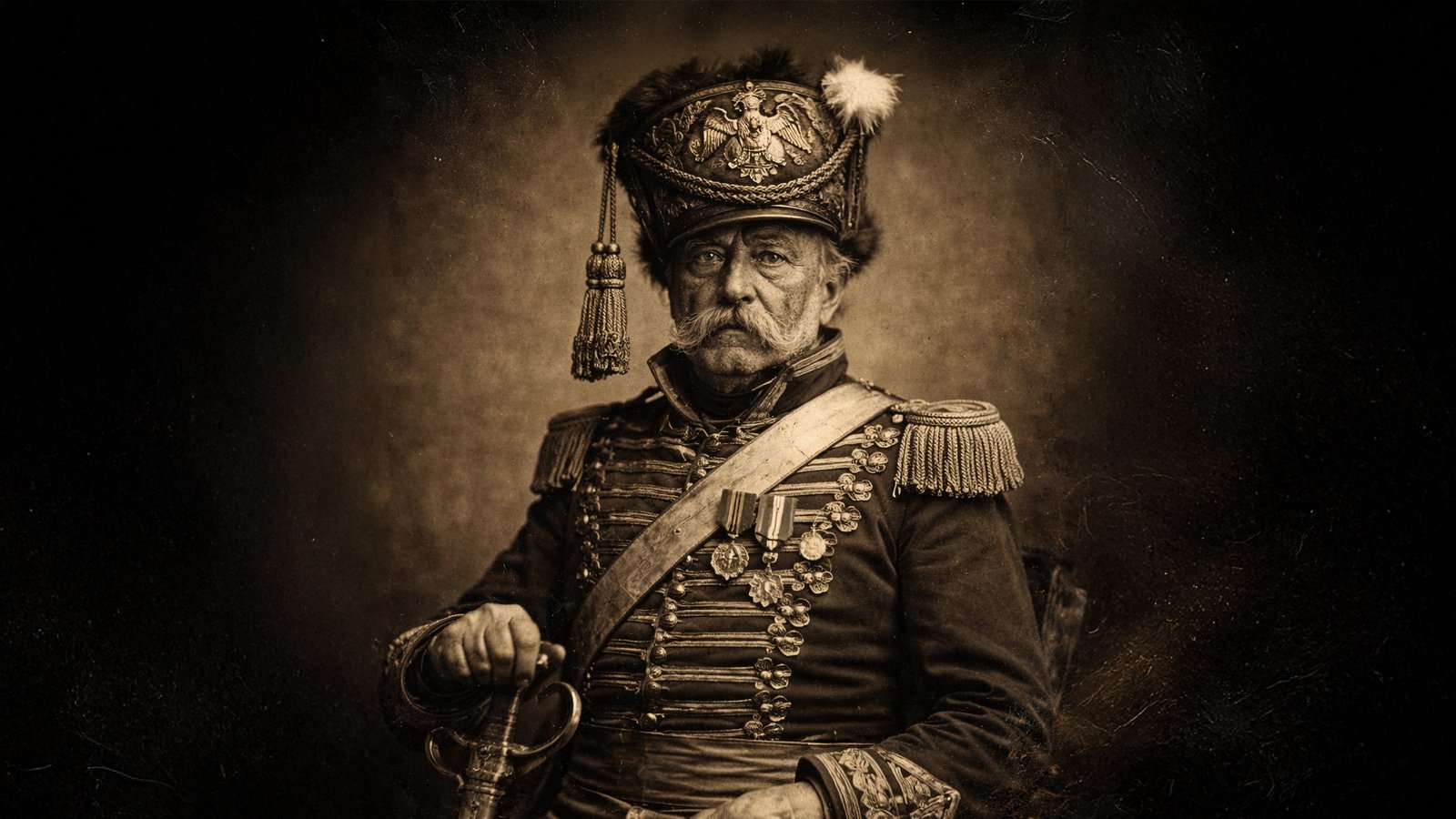
The daguerreotype arrived before anyone knew they needed photographs. People lived perfectly well without frozen moments, visual proof, or faces staring back from metal plates. Then light learned how to stay.
Louis-Jacques-Mandé Daguerre did not behave like a scientist. He came from theatre, illusion, and spectacle. He cared about what audiences felt when light shifted and scenes changed. That background mattered. The daguerreotype grew from performance as much as from chemistry.
Early nineteenth-century Europe already obsessed over realism. Panorama shows, wax museums, optical toys, and magic lanterns promised immersive experience. The daguerreotype did something quietly radical. It removed the performer. Light became the author.
The process itself sounded closer to alchemy than art. A copper plate coated in silver had to be polished until it behaved like a mirror. Iodine vapour made the surface sensitive. The plate entered the camera. Light touched it. Nothing appeared. Mercury vapour coaxed the image out. Fixing chemicals locked it in place. The photograph emerged without a hand ever drawing a line.
That absence unsettled people. Painters had always filtered reality through judgement and style. The daguerreotype offered no opinion. It recorded what stood in front of it, including things artists preferred to soften or ignore.
France understood the symbolic opportunity immediately. In 1839 the state bought the rights and announced the process as a gift to humanity. This generosity came with prestige attached. France positioned itself as the birthplace of modern vision.
Studios opened fast. Daguerreotypes demanded discipline. Exposure times lasted minutes in the early years. Sitters braced themselves against metal supports. Children wriggled. Muscles failed. Faces relaxed into seriousness because endurance beat expression.
This produced one of photography’s most persistent myths. People assume Victorians looked solemn by nature. In reality, smiling for five minutes hurts. Photography taught faces to conserve energy.
Each daguerreotype existed as a single object. There was no negative. No copies. The plate itself was the image. Lose it and the moment vanished. That rarity gave photographs a strange intensity. They were precious not because they were beautiful but because they were irreplaceable.
The surface behaved like a mirror. Tilt it one way and the image appeared. Tilt it another and it disappeared into silver glare. Viewing a daguerreotype required movement. The image revealed itself only when the viewer cooperated.
Resolution stunned early audiences. Fabric textures, brickwork, wrinkles, and stray hairs appeared with ruthless honesty. Later paper photographs struggled to match this sharpness. The daguerreotype remains one of the most detailed photographic formats ever achieved.
Hand-colouring added another layer of confusion. Artists tinted cheeks, lips, jewellery, and uniforms. This led some critics to dismiss the process as artificial. Others found the combination irresistible. Reality and enhancement learned to coexist early.
The chemistry carried consequences. Mercury vapour poisoned many practitioners. Tremors, memory loss, and early deaths followed. Photography did not begin as a gentle art. It asked bodies to pay for images.
Another myth claims daguerreotypes recorded truth without distortion. The camera already knew how to lie. Subjects posed. Backgrounds staged. Exposure choices erased movement. Long exposures removed crowds, traffic, and chaos. Cities appeared empty. History learned to look calmer than it ever was.
The famous Paris street scene proves the point. A man having his boots polished stood still long enough to register. Everything else vanished. The first photograph of a person happened by accident. Photography rewarded stillness and erased life.
Painters reacted defensively at first. Some dismissed photography as mechanical copying. Others quietly used daguerreotypes as references. Realism sharpened. Romantic exaggeration retreated. Painting did not die. It changed direction.
Portraiture shifted social boundaries. Middle-class families commissioned images once reserved for elites. Ordinary people left visual traces behind. Memory became democratic.
Photography entered science quickly. Botanists recorded specimens. Doctors documented conditions. Anthropologists catalogued faces with unsettling confidence. The camera’s authority grew faster than its ethics.
Colonial photography leaned heavily on the daguerreotype’s claim to neutrality. Images presented themselves as objective while reinforcing power structures. The plate did not argue. The photographer chose what to show.
Credit disputes followed Daguerre for decades. Joseph Nicéphore Niépce had already fixed images years earlier using different materials. Daguerre refined the process and made it public. History favoured the one who delivered a working system.
Britain responded differently. Patents restricted access. Some viewed the French announcement as theatrical propaganda rather than altruism. National pride shaped photographic memory from the start.
The daguerreotype’s dominance proved brief. Its inability to produce copies limited mass circulation. New processes offered negatives and paper prints. Photography learned to multiply.
Yet something vital remained. The idea that light could testify endured. People trusted photographs because the daguerreotype demanded effort, patience, and risk. Belief followed labour.
Modern images appear instantly and endlessly. Trust has thinned accordingly. Early viewers believed because images were rare and difficult.
The daguerreotype did not promise beauty. It promised accuracy. That promise changed memory, evidence, and authority.