Ballet: How a Royal Hobby Became a Global Obsession
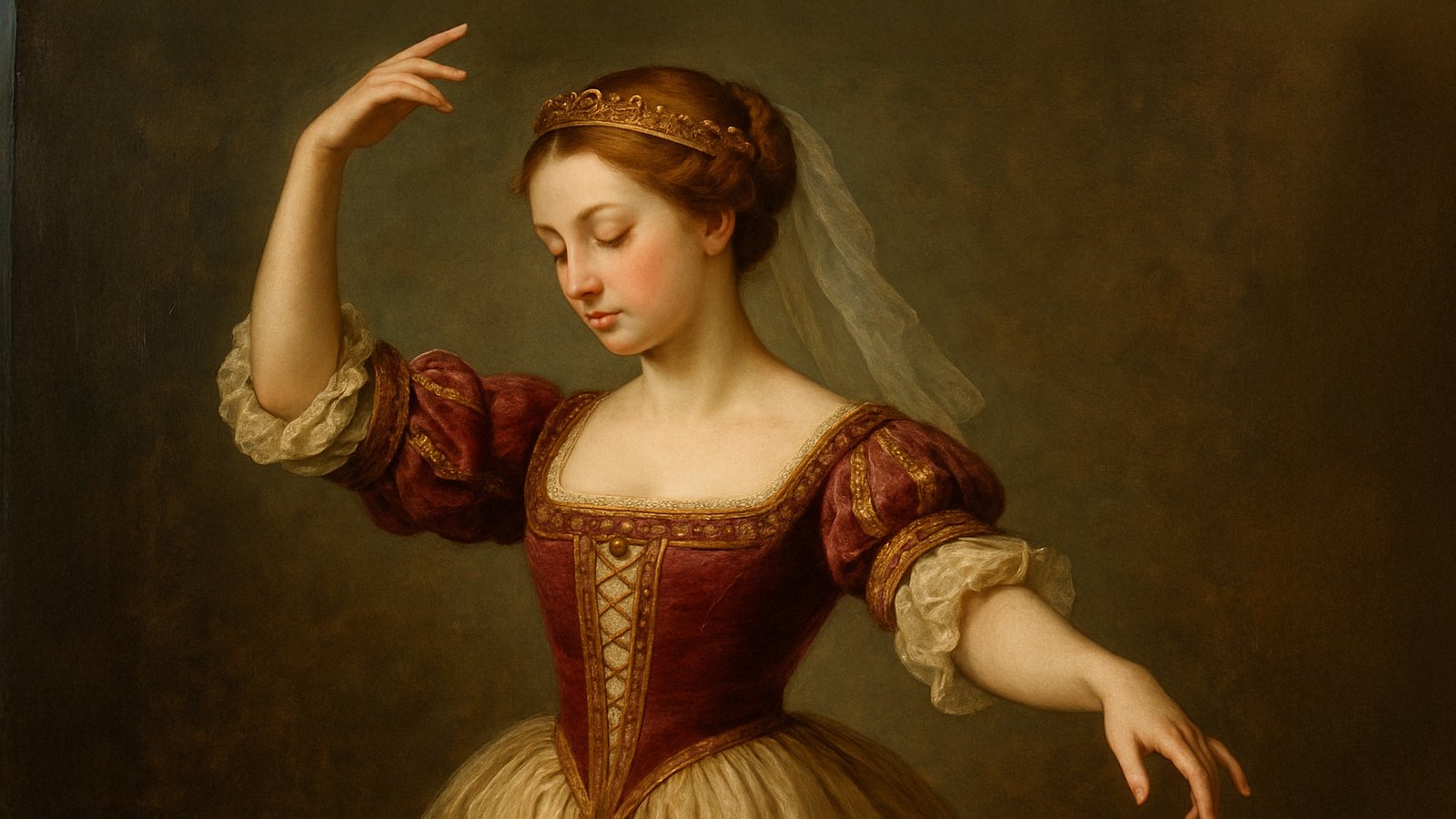
Ballet began in the noisy courts of Renaissance Italy, where nobles tried to outshine each other with lavish spectacles involving dance, poetry, and enough costume fabric to curtain a medium‑sized palace. Those early performances resembled choreographed power moves rather than art. The court wasn’t a place for subtle storytelling; it was a place where someone in brocade might gesture vaguely while everyone clapped because the duke paid for the buffet. Yet these lively gatherings planted the seed of what would later become an entire cultural universe.
Catherine de’ Medici carried the seed north when she married into the French royal family. France sometimes needed help with matters of taste, and Catherine arrived like a one‑woman creative agency, packing dancers, designers and a flair for theatrical excess. Under her influence, court entertainments melted into something more structured. France started embracing ballet with such enthusiasm that it became a sort of national pastime. The royal court turned into the closest thing Europe had to a performance incubator.
Louis XIV didn’t just pick up the torch; he added sequins, a lighting rig and a full PR strategy. He danced himself, which helps explain why ballet thrived. When the most powerful man in Europe spins around the room wearing gold tights, people suddenly take technique more seriously. Louis founded the first formal dance academy, setting the stage for ballet to evolve into a disciplined art. Pierre Beauchamp codified the five positions that dancers still study today, which means even a modern student sweating in a practice studio owes a nod to the Sun King and his rather theatrical self‑promotion.
Early theatre productions kept the court flavour. Elaborate stage machinery whisked dancers up and down like poorly secured spirits. The plots tended toward mythological extravagance. Movement favoured elegance over athleticism because the costumes weighed as much as small farm animals. Men danced in heeled shoes, which made every jump an act of courage. Audiences came for splendour rather than virtuosity, but the seeds of narrative dance began to sprout.
Things shifted in the eighteenth century when Jean‑Georges Noverre started causing polite mayhem. He believed audiences deserved stories with emotional clarity rather than courtly posturing. Masks disappeared. Costumes loosened. Faces expressed feelings instead of aristocratic neutrality. Dancers moved with intention rather than stiff decorum. Contemporary critics occasionally reacted as though civilisation itself dangled over a precipice, but audiences gradually warmed to the idea that dance might communicate something deeper than court gossip.
Marie Sallé fanned the flames when she stepped on stage without a wig, without a heavy skirt, and without the protective shield of theatrical convention. She wore a simple draped garment in Pygmalion, throwing polite society into spirals. Such behaviour risked scandal because women weren’t meant to appear natural. Yet Sallé made naturalism look radical, and her choices helped steer ballet toward expressivity.
The nineteenth century introduced the glowing mist of the Romantic era. Stages filled with ethereal spirits, doomed lovers and enchanted forests. Gas lighting created dreamy atmospheres and gave audiences the impression that ballerinas floated. Pointe shoes appeared, turning skilled dancers into spectral creatures hovering above the floorboards. Ballerinas became the stars of the art, embodying tenderness, mystery and suffering in equal measure.
La Sylphide embodied the era’s obsession with the supernatural. Giselle perfected the tragic arc from innocent love to ghostly devotion. Swan Lake brought grand drama, shimmering tutus, and a level of emotional intensity that could make even the stiffest aristocrat dab a handkerchief. Ballet had fully embraced poetry and pathos, offering stories that felt both otherworldly and painfully human.
Behind the romantic glow, practical realities often looked bleaker. Ballet companies struggled with unstable funding. Dancers faced physically punishing conditions. Some opera houses fostered dubious patronage systems where wealthy benefactors took an unhealthy interest in performers’ personal lives. Backstage politics sometimes overshadowed artistry. Yet the art persisted, fuelled by creativity, ambition and the sheer force of tradition.
The twentieth century smashed through tradition with the energy of a cultural earthquake. Sergei Diaghilev assembled the Ballets Russes, a company so radical it frightened reviewers and electrified audiences. Painters, musicians and dancers collaborated across disciplines. Picasso designed sets. Stravinsky composed scores that punched through the air like wild storms. Choreographers like Vaslav Nijinsky devised movement that challenged everything anyone believed about grace.
The Rite of Spring shook Paris in 1913. The angular, primal steps bewildered traditionalists. The pounding rhythms unsettled the crowd. People shouted. Arguments broke out. Some accounts describe a near riot. Whether embellished or not, the night became legendary, marking a moment when ballet stormed into modernity.
As the century moved forward, ballet spread across continents. Russia nurtured epic technique and uncompromising discipline. Britain developed its own lyrical style through institutions like the Royal Ballet. America embraced neo‑classicism, pushed forward by the austere brilliance of George Balanchine, who stripped narrative away to showcase pure movement. His works glittered with speed, clarity and architectural precision.
At the same time, ballet confronted criticisms. Some questioned the relentless body ideals demanded of dancers. Companies struggled with inequity and problematic leadership. Harassment scandals occasionally burst into public view. Debates erupted about tradition versus innovation, authenticity versus reinvention. Ballet seemed forever torn between preserving its heritage and reinventing itself.
Even so, the art thrived because its contradictions made it compelling. It required discipline yet encouraged expression. It upheld centuries‑old training but welcomed bold creativity. It celebrated lightness even while demanding immense physical strength. Dancers pushed bodies to their limits, leaping into the air with seemingly impossible ease.
Stories also evolved. Choreographers reimagined classics, giving heroines agency or shifting contexts to new cultures. Contemporary ballet blended modern technique with classical foundations. Audiences discovered that ballet didn’t belong solely to palaces or Parisian stages. It belonged to anyone drawn to the beauty of storytelling through movement.
The repertoire kept expanding. Some works mined folklore and mythology. Others explored psychological landscapes or political themes. Ballet found room for humour, tragedy, abstraction and raw emotion. The form proved more adaptable than many expected.
Beyond the stage, ballet influenced fashion, film, photography and broader culture. Degas captured the backstage world with a mix of fascination and detachment. Designers borrowed lines of tutus and the sleek geometry of leotards. Film directors stole its visual language. The discipline of ballet training became a cultural shorthand for control and refinement.
Yet beneath all its polish, ballet’s history reveals a messy, human story. It survived royal whims, social upheavals, wars, revolutions and artistic rebellions. Its greatest figures often fought against convention. Its most famous works emerged from friction. Even its elegance contains a record of struggle.
Today, ballet balances between carrying its past and shaping its future. Dancers still stand at the barre, repeating exercises honed over centuries. Companies still perform the classics, ensuring audiences feel the echo of old stories. Yet new voices push the form forward, making room for diverse bodies, cultures and ideas.
The art remains magnetic because it lives in this tension. It honours tradition without standing still. It speaks without words yet communicates entire worlds. It requires astonishing physical endurance while giving the illusion of effortless beauty. Audiences still gasp when a dancer suspends in the air or lands with featherlight precision.
Ballet began as a courtly display meant to showcase power. It transformed into a universal language that expresses longing, hope, sorrow and love. It stands as one of the rare art forms where history never truly disappears; every plié carries echoes of royal courts, candlelit theatres, smoky avant‑garde premieres and modern studios filled with determination.
The journey from Renaissance banquets to global stages is long, strange and full of twists. Ballet’s endurance proves that people keep returning to stories told through movement. They return for beauty and complexity, for discipline and emotion. They return because ballet still offers something profound: a reminder that the body can tell truths the voice sometimes cannot.